Slapped cheek syndrome
Peer reviewed by Dr Colin Tidy, MRCGPLast updated by Dr Hayley Willacy, FRCGP Last updated 11 Apr 2025
Meets Patient’s editorial guidelines
- DownloadDownload
- Share
- Language
- Discussion
- Audio Version
- Add to preferred sources on Google
Slapped cheek syndrome is normally a mild, short illness. However, the rash may appear to be quite dramatic. No treatment is usually needed. However, it can cause harm to an unborn baby so women who are pregnant and come into contact with people who have this illness need to seek medical advice.
At a glance
Slapped cheek syndrome is a common viral infection, mostly affecting children aged 3-15.
It causes a bright red rash on the cheeks, which can then spread to the body.
Other symptoms can include a low fever, headache, and cold-like symptoms.
It is most contagious before the rash appears, so children can still attend school once the rash develops.
Most people have mild symptoms or no symptoms at all.
Pregnant women, or those with weakened immune systems should seek medical advice if exposed.
Treatment is usually not needed, but paracetamol or ibuprofen can help with symptoms.
Sign up for our free 8-week Healthy Pregnancy course!
Each week we’ll share useful information and essential tips on topics such as nutrition, exercise, mental health, symptoms to look out for, and preparing for childbirth, to help you navigate your pregnancy journey whatever stage you are at.
By subscribing you accept our Privacy Policy. You can unsubscribe at any time. We never sell your data.
What is slapped cheek syndrome?
Slapped cheek syndrome, sometimes called fifth disease or erythema infectiosum, is an infection caused by the parvovirus B19 virus. Slapped cheek syndrome most commonly occurs in children aged 3-15 years but anyone can be affected. Slapped cheek syndrome can be passed on (it is infectious). The infectious period is for 4-20 days before the rash appears. By the time the rash develops, it is usually no longer infectious.
In the UK, April and May are the peak months for slapped cheek syndrome. However, it may occur at any time.
Approximately 50-60% of people in the UK have had slapped cheek syndrome in the past, usually without realising it. You only have slapped cheek syndrome once in a lifetime. This is because you make antibodies during the infection which protect you from future infections with this same germ (virus).
Note: pet dogs or cats can be immunised against parvovirus. However, these are animal parvoviruses which are different from parvovirus B19.
How is slapped cheek syndrome spread?
Slapped cheek syndrome spreads through droplets in the air from the nose and throat when an infected person coughs or sneezes. It can also spread by touching surfaces contaminated with the virus. The infection is most contagious before the rash appears, which can make it difficult to prevent transmission.
Symptoms of slapped cheek syndrome
The symptoms typically appear in stages and may include:
Stage 1 (Initial Symptoms)
Low-grade fever.
Headache.
Mild cold-like symptoms (runny nose, sore throat).
Fatigue or feeling unwell (malaise).
Stage 2 (Rash)
A bright red rash develops on the cheeks, making the skin look like it has been slapped.
A lacy, red rash may then spread to the arms, legs, and torso.
The rash can sometimes itch or feel warm to the touch.
Stage 3 (Rash Fades)
The rash may gradually fade, and in some cases, it may reappear with exposure to heat (such as hot baths, exercise, or sun exposure).
Joint pain or swelling may also occur, especially in adults.
Rash
Typically, the rash looks like a bright red scald on one or both cheeks. It looks as if the cheek(s) have been slapped. Sometimes there is just a blotchy redness on the face. The rash is painless.
Sometimes a more widespread faint rash appears on the body, arms and legs. Occasionally, the rash on the face and body keeps fading and returning several times for up to several weeks. However, it is more common for the rash to come and go completely within a few days.
Other symptoms
Although the rash can look quite dramatic, the illness itself is usually mild. You will usually not feel too ill. You may have a headache, sore throat, runny nose or mild temperature (fever) that last for a few days and occur around 7-10 days before the rash appears. Occasionally, mild pain and stiffness develop in one or more joints for a few days. This is more common in adults than in children.
You may have no symptoms
Around one in four people who become infected with this germ (virus) do not develop any symptoms at all. Some people just have a fever and feel generally unwell, without any rashes.
Diagnosing slapped cheek syndrome
Slapped cheek syndrome is usually diagnosed by the appearance of the classical rash on your cheeks.
A blood test is sometimes performed. This will show if you have slapped cheek syndrome and can also show if you have had this disease in the past. If you have had the disease in the past (even if you had it without developing any symptoms) then you will be immune to it. Testing is generally only carried out in pregnant women, or in people who have other medical conditions that reduce their immune system, not in healthy non-pregnant adults or in children.
Complications from slapped cheek syndrome
Usually not. Rarely, the aching joint symptoms last for some time after the other symptoms have gone.
The only times the illness may become more serious are:
In children with some types of hereditary anaemia such as sickle cell disease, beta-thalassaemia and hereditary spherocytosis. This germ (virus) can cause these types of anaemia to become suddenly much worse.
In people with a weakened immune system. If you have leukaemia or cancer, have had an organ transplant or have HIV infection then you may develop a more serious illness with this infection.
Slapped cheek syndrome during pregnancy
Most pregnant women are immune to this germ (virus), or will not be seriously affected if they become infected by it. However, like some other viruses, the virus that causes slapped cheek syndrome can sometimes harm an unborn child. Miscarriage is more common in women who are infected with this virus before 20 weeks of pregnancy.
If you develop a rash during your pregnancy or come into contact with a person with a rash then you should seek medical advice. Your doctor will usually arrange for you to have a blood test to see if you have had slapped cheek syndrome in the past. If this is the case then you can be reassured and will not usually need other tests or treatment.
However, if the test does not show that you have had slapped cheek syndrome in the past, you may need to have other blood tests and also other tests - for example, a scan of your unborn baby.
Treatment for slapped cheek syndrome
You do not usually need any treatment. If you have a headache, high temperature (fever) or aches and pains then painkillers such as paracetamol or ibuprofen will help.
Those people who develop complications (which is very rare) may require other treatment.
You can still go to school (or work) if you have slapped cheek syndrome, as you are only able to pass it on (are infectious) before you develop the rash. People infected with parvovirus B19 are considered non-infectious one day after the rash begins.
Preventing slapped cheek syndrome
There is no vaccine or treatment that prevents slapped cheek syndrome. However, the following steps may prevent the infection spreading:
Wash hands frequently with soap and water.
Cover your mouth and nose with a tissue or elbow when coughing or sneezing.
Avoid close contact with anyone who is sick, especially pregnant women or people with weakened immune systems.
Disinfect commonly touched surfaces.
Patient picks for Skin infections

Infections
Scabies
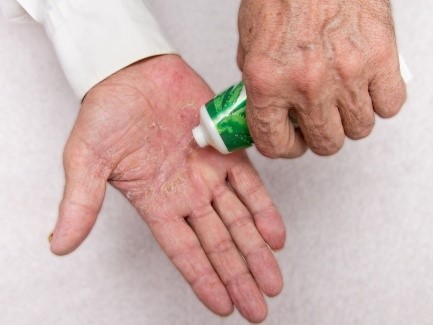
Scabies is a very itchy skin infestation caused by a tiny mite. It is spread by close contact, such as living with someone or sharing a bed.
by Dr Toni Hazell, FRCGP
Infections
Viral rashes
Many viral infections can cause a rash in addition to other symptoms. Rashes are very common with viral infections, especially in young children. It is very important to make sure the rash is not part of a serious infection - eg, meningococcal infection which is a bacterial infection and can be associated with meningitis.
by Dr Toni Hazell, FRCGP
Frequently asked questions
Can adults get slapped cheek from children?
Yes, anyone can be affected by slapped cheek syndrome, even though it most commonly occurs in children aged 3-15 years. Approximately 50-60% of people in the UK have had it in the past, often without realising it.
How long does the slapped cheek rash typically last?
The rash can appear as a bright red scald on the cheeks and may then spread to the arms, legs, and torso, sometimes becoming lacy. The rash can fade and return several times for up to several weeks, but it's more common for it to come and go completely within a few days.
Is slapped cheek syndrome dangerous if I am pregnant?
In most cases, pregnant women are immune or will not be seriously affected. However, the virus can sometimes harm an unborn child, with miscarriage being more common if infected before 20 weeks of pregnancy. If you develop a rash or are exposed to someone with a rash while pregnant, you should seek medical advice.
When can a child return to school after having slapped cheek syndrome?
A child can still go to school with slapped cheek syndrome, as the infectious period is before the rash appears. People infected with parvovirus B19 are considered non-infectious one day after the rash begins.
What should I do if my child has a more serious medical condition and gets slapped cheek syndrome?
The illness is usually mild, but it can become more serious in children with certain types of hereditary anaemia, such as sickle cell disease, beta-thalassaemia, and hereditary spherocytosis. In these cases, the virus can suddenly worsen their anaemia. It can also be more serious for people with a weakened immune system.
Further reading and references
- Parvovirus B19: guidance, data and analysis; Public Health England
- Viral rash in pregnancy; UK Health Security Agency.
- Parvovirus B19 infection; NICE CKS, February 2022 (UK access only)
About the authorView full bio

Dr Hayley Willacy, FRCGP
General Practitioner, Medical Author
MBChB (1992), DRCOG, DFFP, MRCOG (Part 1) MRCGP (2007), DFSRH (2013), MSc - medical education (2020)
Dr Hayley Willacy was an NHS GP working in northwest England, who retired from clinical practice in 2022 after 30 years.
About the reviewerView full bio

Dr Colin Tidy, MRCGP
General Practitioner, Medical Author
MBBS, MRCGP, MRCP (Paediatrics), DCH
Dr Colin Tidy is an NHS Doctor, based in Oxfordshire.
Article history
The information on this page is written and peer reviewed by qualified clinicians.
Article also available in English, German, Spanish, French, Italian, Portuguese, Hindi, Hebrew, Arabic, and Swedish.
Next review due: 10 Apr 2028
11 Apr 2025 | Latest version
Join the conversation
Share your thoughts or experiences with others in our patient communities.

Ask, share, connect.
Browse discussions, ask questions, and share experiences across hundreds of health topics.

Feeling unwell?
Assess your symptoms online for free
Sign up to the Patient newsletter
Your weekly dose of clear, trustworthy health advice - written to help you feel informed, confident and in control.
By subscribing you accept our Privacy Policy. You can unsubscribe at any time. We never sell your data.