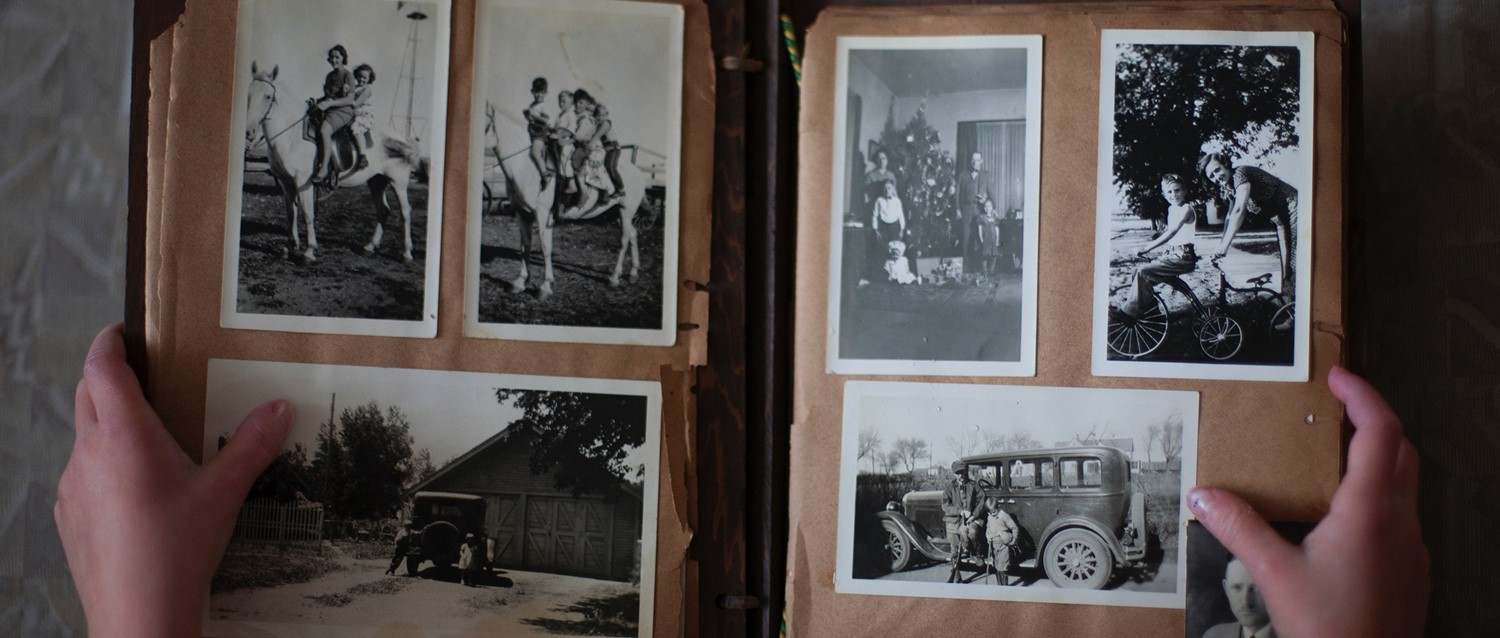
How to reduce your risk of dementia
Peer reviewed by Dr Sarah JarvisAuthored by Dr Laurence KnottOriginally published 24 Jan 2018
Meets Patient’s editorial guidelines
- DownloadDownload
- Share
- Language
- Discussion
- Audio Version
- Add to preferred sources on Google
Dementia is a progressive condition affecting the way the brain works. It can cause poor memory, confusion about time and place, difficulties with speech, poor judgement, and inappropriate behaviour.
There are a number of risk factors which make it more likely that an individual will develop dementia. Some are easier to do something about than others. This article aims to arm you with enough information to put up the best fight you can against developing this disease.
The effects of dementia
Dementia is caused by several conditions, of which the two common ones are Alzheimer's disease and vascular dementia.
I have had experience of dementia both as a GP and as a carer for an elderly relative who developed the condition. I am all too aware of the effect it can have on the person themselves and on the family trying to care for them. It's like a slow dripping tap. People start off being able to cope (and sometimes cover up their difficulties brilliantly) but eventually it becomes harder, and all sorts of chaos follows. In my relative's case, it was loss of her husband (who was revealed as her main carer) which exposed just how much her mental function had deteriorated.
For the person themself, dementia is often a frightening experience. Memory loss is the hardest thing to bear. We don't realise how much we rely on memory in our daily lives until things start to go wrong. It is the road map which helps us get from A to B. Without it, the world can be a very confusing and scary place.
Dementia risk factors
There are a number of elements that can increase or decrease your risk of developing dementia. Some of these can be avoided, while others are completely out of your control. Having any of the risk factors below doesn't necessarily mean you will develop the disease in future. And likewise, avoiding these factors (the ones within your control, anyway) will not guarantee you won't get dementia, but it will improve your chances of avoiding it.
Age
The risk of dementia rises with age. At the age 60, 1 in 100 people will have it. By age 75, this figure rises to 6 in a 100. Unfortunately, no one has yet worked out how to reverse the ageing process, unless you count Dr Who and his sonic screwdriver.
Genes
Scientists have discovered a gene called APOE4. If you inherit this gene you are more likely to develop Alzheimer's disease. Research suggests that women are much more affected than men. If you want to avoid this gene, choose your parents wisely. Removing this gene before birth isn't yet possible, but who knows what's around the corner?
Smoking
A recent Lancet review found that smoking increases your risk of dementia by about 5%. A small percentage perhaps (as indeed most of these risk factors are) but they all mount up.
Exercise
Not that old chestnut again, I hear you say. But the fact of the matter is that physical activity benefits you in so many ways, all of which add together. Not only does it reduce your risk of dementia by nearly 3% but it also lowers your chances of developing type 2 diabetes and high blood pressure, which themselves are risk factors for dementia.
Depression
Science points to a link between depression and dementia. Of course, "don't get depressed" is much easier said than done. But one of the biggest contributors to poor mental health as people get older is social isolation. Old friends die, families move away, and before you know it you don't see another person from one day to the next. If this is starting to happen you need to take positive steps to make contact with others. Join a club, get in touch with people who share similar interests or find people online to chat to. Age UK also has some great suggestions for those who are feeling lonely.
What about diet?
A Mediterranean diet, with vegetables, fruit, nuts, beans, cereal grains, olive oil and fish, can help reduce the risk of dementia, according to some studies.
"There is encouraging evidence a higher adherence to a Mediterranean diet is associated with improving cognition, slowing cognitive decline or reducing the conversion to Alzheimer's," said Dr Roy Hardman from the Swinburne University of Technology, Melbourne.
If you live in Croydon rather than Cordoba and would rather not mess around with all those beans and nuts, you can take supplements, although this is probably a more expensive way of getting these substances into your body. The most important constituent seems to be omega-3 which has been shown to slow the brain shrinkage associated with Alzheimer's disease. New research suggests it works best in people who also take B vitamins.
Oxford professor David Smith, who led the study, said: "This is a very exciting and important result. It is the first treatment to show Alzheimer's-related brain shrinkage can be prevented. It means that something so simple as keeping your omega-3 levels high and supplementing B vitamins if you are at risk could dramatically reduce a person's risk.”
However, not all the research on diet supplementation is convincing. A study of people drinking a daily solution of vitamins, essential fatty acids and other nutrients failed to improve key markers of Alzheimer's disease, although it did improve daily cognition.
"This study hints that a medical drink could slow the decline of thinking skills in people experiencing mild memory problems," said Dr Doug Brown, Director of Research at the Alzheimer's Society. However, noting that the trial did not meet its success criteria, he added: "We cannot be confident of the drink's benefits."
Keep on keeping on
So I guess there are no magic answers to reducing your risk of dementia. It's the same advice you've heard many times: eat healthily, exercise plenty and live your life to the full. Not very exciting, I'm afraid, but perhaps reassuring that you don't need to pour expensive supplements down your throat to prevent memory loss.
Patient picks for Memory loss and dementia
Brain and nerves
Is it dementia or just forgetfulness?
I've never met a patient over 50 (and sometimes earlier) who doesn't worry about dementia. Forgetfulness is common, especially as you get older. But should you be laughing it off or seeing your doctor?
by Dr Sarah Jarvis
Brain and nerves
What is early Alzheimer’s disease - and what causes it?
Around 70,800 people in the UK have early onset dementia - meaning they are diagnosed before the age of 65. Alzheimer's disease, the most common cause of dementia, accounts for around one third of these cases. Here we look at what we know about Alzheimer's - its causes and symptoms.
by Lydia Smith
About the authorView full bio
Authored by

Dr Laurence Knott
General Practitioner, Medical Author
BSc (Hons) Biochemistry, MBBS
Dr Laurence Knott qualified in 1973 and has had extensive experience as a General Practitioner.
About the reviewerView full bio

Dr Sarah Jarvis
Clinical Consultant
MA (Cantab), BM, BCh (Oxon), DRCOG, FRCGP, MBE
After training in medicine at Cambridge and Oxford, Dr Sarah Jarvis MBE became a GP.
Article history
Article also available in English, German, Spanish, French, Italian, Portuguese, Hindi, Hebrew, Arabic, and Swedish.
24 Jan 2018 | Originally published
Authored by:
Dr Laurence KnottPeer reviewed by
Dr Sarah Jarvis
Join the conversation
Share your thoughts or experiences with others in our patient communities.

Ask, share, connect.
Browse discussions, ask questions, and share experiences across hundreds of health topics.

Feeling unwell?
Assess your symptoms online for free
Sign up to the Patient newsletter
Your weekly dose of clear, trustworthy health advice - written to help you feel informed, confident and in control.
By subscribing you accept our Privacy Policy. You can unsubscribe at any time. We never sell your data.