Vitamin A-rich foods could protect against skin cancer
Peer reviewed by Natalie HealeyAuthored by Ashwin BhandariOriginally published 1 Aug 2019
Meets Patient’s editorial guidelines
- DownloadDownload
- Share
- Language
- Discussion
- Audio Version
- Add to preferred sources on Google
People who consume foods rich in vitamin A are 17% less likely to develop a common form of skin cancer, according to experts at Brown University.
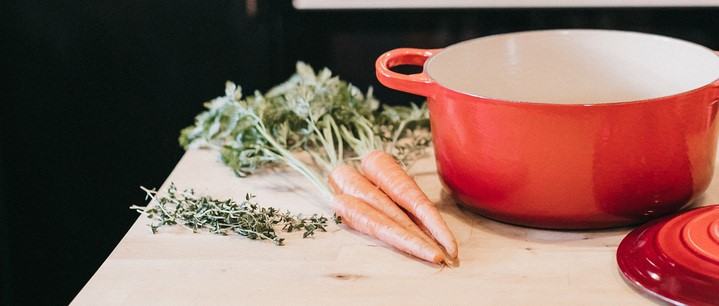
Foods such as black beans, carrots and sweet potato contain vitamin A, which is associated with a healthy immune system. Vitamin A can also help the heart, lungs, kidneys and other organs work properly.
Whilst vitamin A's benefits have been known for a while, prior studies on its link to skin cancer have been mixed.
Research, led by Dr Eunyoung Cho, at Brown University, looked at the data of 121,700 women from 1984 to 2012, and over 50,000 men from 1986 to 2012.
The results showed people with the highest vitamin A intake were 17% less likely to get cutaneous squamous cell carcinoma (the second most common form of skin cancer) compared to those in the category with the lowest vitamin A intake.
Nearly 4,000 people developed squamous cell skin cancer during more than 25 years of follow-up.
Those with higher levels of vitamin A tended to be older. They also exercised more and were less likely to consume alcohol or caffeine. The women in the study with higher levels of vitamin A were more likely to use HRT after menopause.
The researchers also found that eating high levels of other plant-based pigments similar to vitamin A, such as lycopene in tomatoes and watermelon, was associated with decreased risk of skin cancer.
Cho said: "Our study provides another reason to eat lots of fruits and vegetables as part of a healthy diet. Skin cancer, including squamous cell carcinoma, is hard to prevent, but this study suggests that eating a healthy diet rich in vitamin A may be a way to reduce your risk, in addition to wearing sunscreen and reducing sun exposure."
The study, however, did not account for vitamin A supplements, as well as the fact that excess consumption can lead to nausea, liver toxicity, increased risk of osteoporosis and hip fracture.
Patient picks for Vitamins and supplements

Diet and nutrition
Biotin: do vitamins for hair growth really work?
If you are interested in hair growth supplements, then chances are you've heard of biotin. In recent years, this vitamin has grown in popularity and is widely available in the cosmetic industry. What exactly is biotin, and can it really promote longer, healthier hair?
by Amberley Davis
Diet and nutrition
What is ashwagandha? Health benefits, uses, and side effects
Ashwagandha (Withania somnifera) is a centuries-old herb that’s gaining popularity in today’s wellness world. Also known as Indian ginseng or winter cherry, it’s traditionally been used to help people feel calmer and more energised. Here we look at what it is used for, evidence-backed benefits, and the side effects you should know about.
by Heather Ainsworth
About the authorView full bio
Authored by

Ashwin Bhandari
Medical Writer
BA Journalism
About the reviewerView full bio

Natalie Healey
Freelance journalist
BSc (Hons) Biomedical Science
She is a London-based health journalist who has been writing about science and medicine for several years. She is the former head of editorial at Patient.
Article history
Article also available in English, German, Spanish, French, Italian, Portuguese, Hindi, Hebrew, Arabic, and Swedish.
1 Aug 2019 | Originally published
Authored by:
Ashwin BhandariPeer reviewed by
Natalie Healey
Join the conversation
Share your thoughts or experiences with others in our patient communities.

Ask, share, connect.
Browse discussions, ask questions, and share experiences across hundreds of health topics.

Feeling unwell?
Assess your symptoms online for free
Sign up to the Patient newsletter
Your weekly dose of clear, trustworthy health advice - written to help you feel informed, confident and in control.
By subscribing you accept our Privacy Policy. You can unsubscribe at any time. We never sell your data.