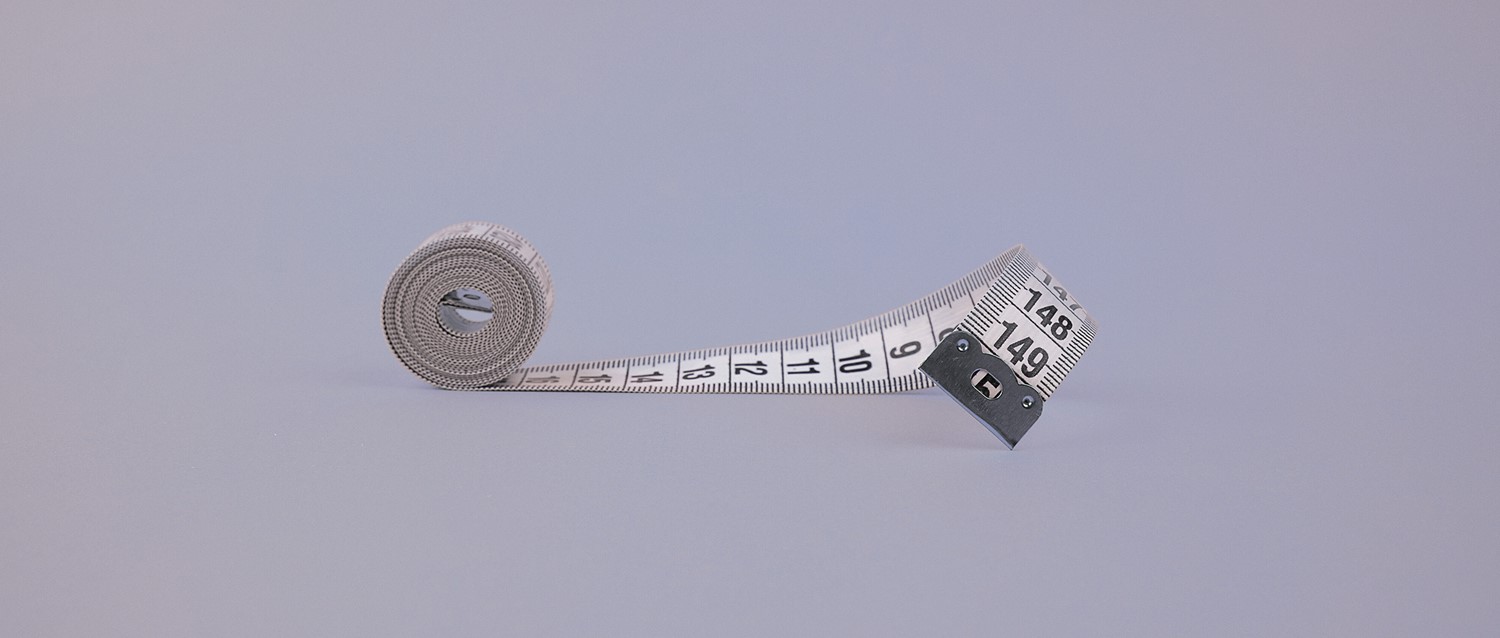
The truth about obesity and cancer
Peer reviewed by Dr Sarah JarvisAuthored by Ellie BroughtonOriginally published 30 Jul 2019
Meets Patient’s editorial guidelines
- DownloadDownload
- Share
- Language
- Discussion
- Audio Version
- Add to preferred sources on Google
Cancer Research UK (CRUK) is raising awareness of the connection between obesity and cancer. But many people have spoken out about the campaign, claiming it is reductive and fat-shaming. We explore the science linking weight to the disease.
You might have already seen them: posters mocked up like cigarette packets, reading: 'Obesity is a cause of cancer too'. CRUK's new public awareness campaign is nothing if not confrontational. It follows a similar campaign last year, which blasted: 'OB_S__Y is a cause of cancer'.
Doctors and other health experts have spoken out against the latest campaign as well as the one before. Last year Dr Margaret McCartney wrote a column for the BMJ, 'Cancer patients should not be shamed', pointing to two studies that showed that people who are overweight are 'disproportionately' harmed by stigmatising messages like CRUK's.
This year, an open letter started by registered nutritionist Laura Parker and co-signed by dozens of academics and clinicians, accused CRUK of running a harmful and inaccurate campaign. CRUK's funding partnership with Slimming World has also forced its director of policy to publicly defend the campaign.
CRUK's own website admits that 'being overweight doesn't mean that someone will definitely develop cancer', that only four in 10 cancer cases could be prevented, and that the link between obesity and cancer only arises in adulthood.
Uncomfortable truth
The uncomfortable truth is, however, that evidence shows obesity is a clear risk factor. The link between weight and cancer was first established in a study into endometrial cancer in 1966.
By 2017 a BMJ review had found an association between 11 out of 36 cancers and subtypes (around the digestive system, and women's hormone-related cancers) 'was supported by strong evidence'. In the same year another study also found that intentional weight loss reduced women's risk of endometrial cancer, and studies into bariatric surgery have had similar findings for other cancer types.
Although the mechanisms by which fat affects the development of cancers are not yet seen clearly, models have shown that the way this tissue produces oestrogen, insulin and certain immune cells plays a part. (For example, a 2014 paper expanded on a link between cancer and type 2 diabetes.) Ironically enough, CRUK has a brilliant blog on this that dates right back to 2015.
'People want facts'
Karis Betts, a health information manager at CRUK, agrees the 2019 campaign has faced two main critiques. One is that it seemed to lay blame at an individual level. The other was that cancer and smoking were being compared.
She stresses: "They are definitely not the same and we're not saying that they are. We don't think that's the case, and we're not trying to say that. We're trying to draw the parallels involved in them both being risk factors, and both needing government action.
"But we're not trying to say an individual's at fault for their weight, or that an individual of a higher weight will get cancer." She adds that research before the campaign showed people 'overwhelmingly ... wanted to know the facts'.
Part of the problem with the campaign may come down to the gap between two uses of the word 'cause'. As Betts said, some people found CRUK's campaign to hold individuals at fault for their weight, and others worried that the campaign said those at higher weight will get cancer. Obesity as a risk factor is evidenced at a population level, but it's not an absolute at an individual level - that is to say, being overweight won't necessarily or inevitably lead to cancer. There is, however, no doubt there's a link.
Reinforcing shame?
Dr Martin Brunet, a GP who often writes about the ethics of public health campaigns, argues that awareness campaigns like CRUK's could actually stop people addressing their weight: "The assumption is that making people aware that something is bad for their health will always have a positive impact on people's health, but that is very controversial, especially with weight. There's every possibility that by raising awareness for obesity causing cancer, you can actually make people less likely to lose weight, because of fat-shaming and not wanting to go to the doctor."
Stats from 2015 found 58% of women and 68% of men in the UK were overweight or obese - a huge number of people who might be put off by a misworded campaign.
And it's not just cancer patients who feel the effects. Last year Jassy Davis, 40, a writer and recipe developer, started treatment for an eating disorder. She walked past CRUK's 2018 posters before every therapy session.
"'Raising awareness' really means reinforcing shame," she wrote on Twitter when the 2019 campaign launched. "It makes things worse for the individual, while exculpating society. And it makes the individual the focus of the fight." By email, she confirms that she stands by her comments: "You can't shame people into health."
Perhaps overshadowed by its impact on diabetes, heart disease and fitness, fat's link to cancer is clearly little-discussed, poorly understood and hard to tackle. CRUK's research group might have demanded 'the facts', but critics of the campaign are right to call for a little more sensitivity.
Patient picks for Information about cancer
Cancer
How cancer can affect your mental health
Being diagnosed with cancer is life-changing and can have a significant impact on a person's emotional well-being, as well as those around them. Thanks to medical advancements, we're constantly improving our ability to quickly diagnose and treat different cancers, which has greatly improved the chances of remission or living for longer with the disease. But what is often considered secondary to the physical impact of cancer is its effect on a person's mental well-being. Fear, anxiety, sadness and anger are common reactions to a diagnosis, and dealing with these emotions properly is crucial to improve quality of life.
by Lydia Smith
Cancer
What not to say to someone with cancer
When a family member or friend is diagnosed with cancer, it can be hard to know what to say. Do we talk about the diagnosis? Or is it better to provide distraction during a difficult time? Whilst every cancer journey is as individual as the person affected, we speak to the experts about the best way to offer support.
by Gillian Harvey
About the author
Authored by

Ellie Broughton
About the reviewerView full bio

Dr Sarah Jarvis
Clinical Consultant
MA (Cantab), BM, BCh (Oxon), DRCOG, FRCGP, MBE
After training in medicine at Cambridge and Oxford, Dr Sarah Jarvis MBE became a GP.
Join the conversation
Share your thoughts or experiences with others in our patient communities.

Ask, share, connect.
Browse discussions, ask questions, and share experiences across hundreds of health topics.

Feeling unwell?
Assess your symptoms online for free
Sign up to the Patient newsletter
Your weekly dose of clear, trustworthy health advice - written to help you feel informed, confident and in control.
By subscribing you accept our Privacy Policy. You can unsubscribe at any time. We never sell your data.