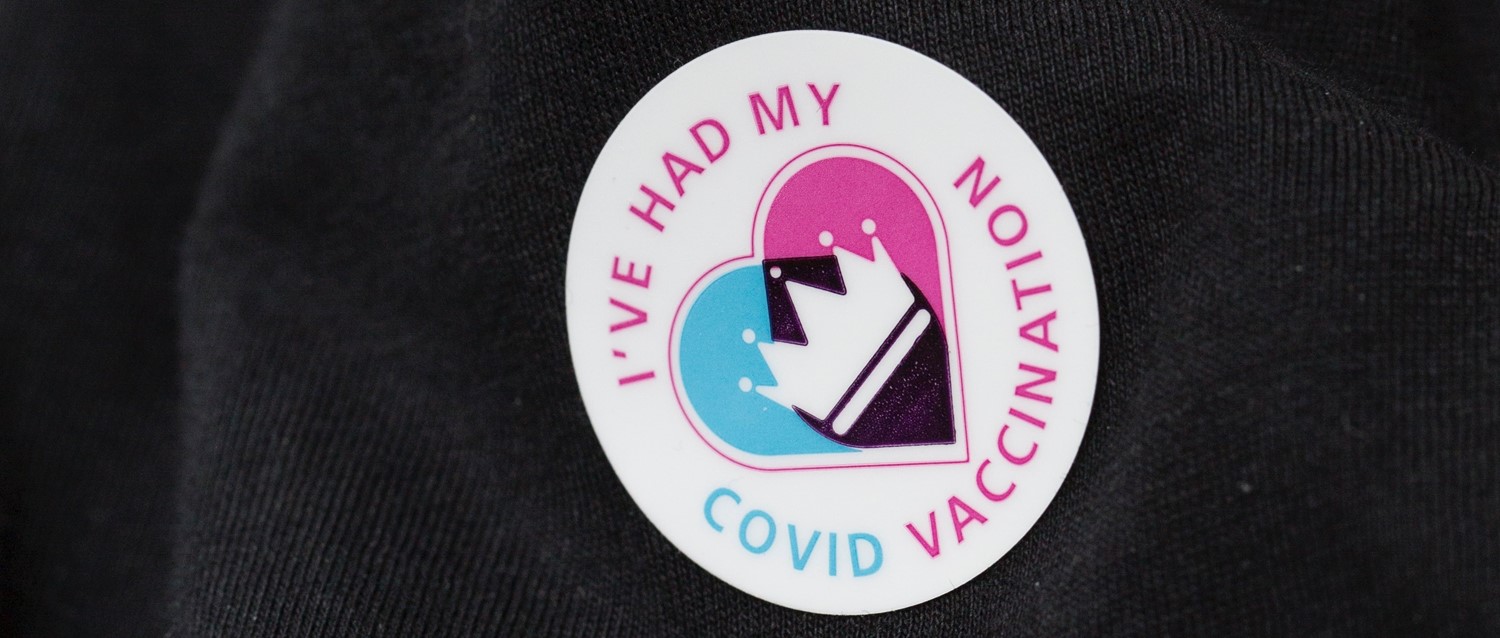
How to book your COVID-19 booster vaccine
Peer reviewed by Dr Sarah JarvisAuthored by Lydia SmithOriginally published 15 Dec 2021
Meets Patient’s editorial guidelines
- DownloadDownload
- Share
- Language
- Discussion
- Audio Version
- Add to preferred sources on Google
Thousands of people are trying to book their COVID-19 booster jabs in England after the Government set a new target to offer COVID-19 boosters to all adults by the end of the month. So how can you go about booking your third COVID-19 vaccination?
Who is eligible to book their COVID-19 booster vaccine?
The high demand for COVID-19 boosters has led to the NHS website crashing as people rush to book their top-up vaccinations. However, more than half a million people managed to book their third vaccination in one day, according to the prime minister.
Booster doses are available on the NHS for people most at risk from COVID-19 who have had a second dose of a vaccine at least three months ago. As of 14th December, this included people aged 30 and over, people who live and work in care homes, and frontline health and social care workers.
Others who are eligible for a COVID-19 booster (if their last dose was at least three months ago) include people aged 16 and over with a health condition that puts them at high risk of getting seriously ill from COVID-19, and people aged 16 and over who are a main carer for someone at high risk from COVID-19.
Those aged 16 and over who live with someone who is more likely to get infections can also book their vaccine, as well as people who are pregnant and in one of the eligible groups. People aged 18 to 29 will be able to book their booster vaccine from 15th December onwards.
Why has the COVID-19 booster programme been extended?
The sudden ramping up of the booster vaccination programme is in reaction to the spread of the Omicron variant in the UK. This week, the UK's coronavirus alert level has been raised from three to four, meaning the transmission of the virus is high and social distancing should be observed.
Around 4,700 cases of the Omicron variant have been confirmed in the UK so far and cases are now doubling every two to three days. However, recent analysis by the UK Health Security Agency shows a third vaccine dose prevents about 75% of people from getting any COVID-19 symptoms.
When and how can you book your third dose?
You can book your third vaccination via the NHS booking system, which will be opened to over-18s from 15th December. However, the website is currently experiencing technical difficulties due to the vast number of people trying to book their COVID-19 booster jabs. People are being placed in a virtual queue before being allocated their booster slot.
You can also get your booster dose at a walk-in vaccination site if you had your second dose at least three months ago. There may be a significant wait depending on where you live and demand in your area. Some pharmacies are offering COVID-19 booster jabs too.
Alternatively, you can wait to be contacted by a local NHS service such as a GP-led service and book an appointment with them. People who work for an NHS trust or a care home will usually get their booster dose through their employer.
Which COVID-19 vaccinations are being used for booster jabs?
Most people will be offered the Pfizer or Moderna vaccine for their COVID-19 booster. This means someone who had an AstraZeneca vaccine for doses one and two, may be given a different one for their third. Some people may be offered a booster dose of the AstraZeneca vaccine if they cannot have the Pfizer or Moderna.
Who can book their booster jab in Wales, Scotland and Northern Ireland?
The Scottish Government has set a target of offering booster jabs to all eligible adults by the end of the year. Over-30s are currently able to book appointments and 18- to 29-year-olds will be able to book over the next few days. In Wales; the aim is now to offer all adults a booster vaccination by the end of the year. In Northern Ireland, the booster programme has been extended through walk-in centres to over-30s.
Patient picks for Vaccination, tests and treatment

COVID-19
AstraZeneca vaccine: is it safe and does it cause blood clots?
The rollout of the COVID-19 vaccine in the UK has undoubtedly been a huge success. Globally, this vaccine has been rolled out more quickly than any vaccine in history. But among all the good news, several European countries have suspended their rollout after reports of blood clots among people given the AZ vaccine. Should we be worried, or is there more to this than meets the eye?
by Dr Sarah Jarvis

COVID-19
Why it's a good thing if you feel unwell after your COVID-19 booster jab
If you’ve had your COVID-19 booster vaccine recently, there’s every chance you’ve felt a little unwell afterwards. But new research suggests that the unpleasant side effects - like tiredness, a headache or chills - may actually be a good thing.
by Lydia Smith
About the authorView full bio
Authored by

Lydia Smith
Feature writer
BA, MA, MSc
Lydia Smith is an award-winning journalist and feature writer who has written extensively on women's health and mental health. She is currently studying for an MSc in psychology.
About the reviewerView full bio

Dr Sarah Jarvis
Clinical Consultant
MA (Cantab), BM, BCh (Oxon), DRCOG, FRCGP, MBE
After training in medicine at Cambridge and Oxford, Dr Sarah Jarvis MBE became a GP.
Article history
Article also available in English, German, Spanish, French, Italian, Portuguese, Hindi, Hebrew, Arabic, and Swedish.
15 Dec 2021 | Originally published
Authored by:
Lydia SmithPeer reviewed by
Dr Sarah Jarvis
Join the conversation
Share your thoughts or experiences with others in our patient communities.

Ask, share, connect.
Browse discussions, ask questions, and share experiences across hundreds of health topics.

Feeling unwell?
Assess your symptoms online for free
Sign up to the Patient newsletter
Your weekly dose of clear, trustworthy health advice - written to help you feel informed, confident and in control.
By subscribing you accept our Privacy Policy. You can unsubscribe at any time. We never sell your data.