Most vitamin supplements aren't beneficial for health, study finds
Peer reviewed by Natalie HealeyAuthored by Ashwin BhandariOriginally published 9 Jul 2019
Meets Patient’s editorial guidelines
- DownloadDownload
- Share
- Language
- Discussion
- Audio Version
- Add to preferred sources on Google
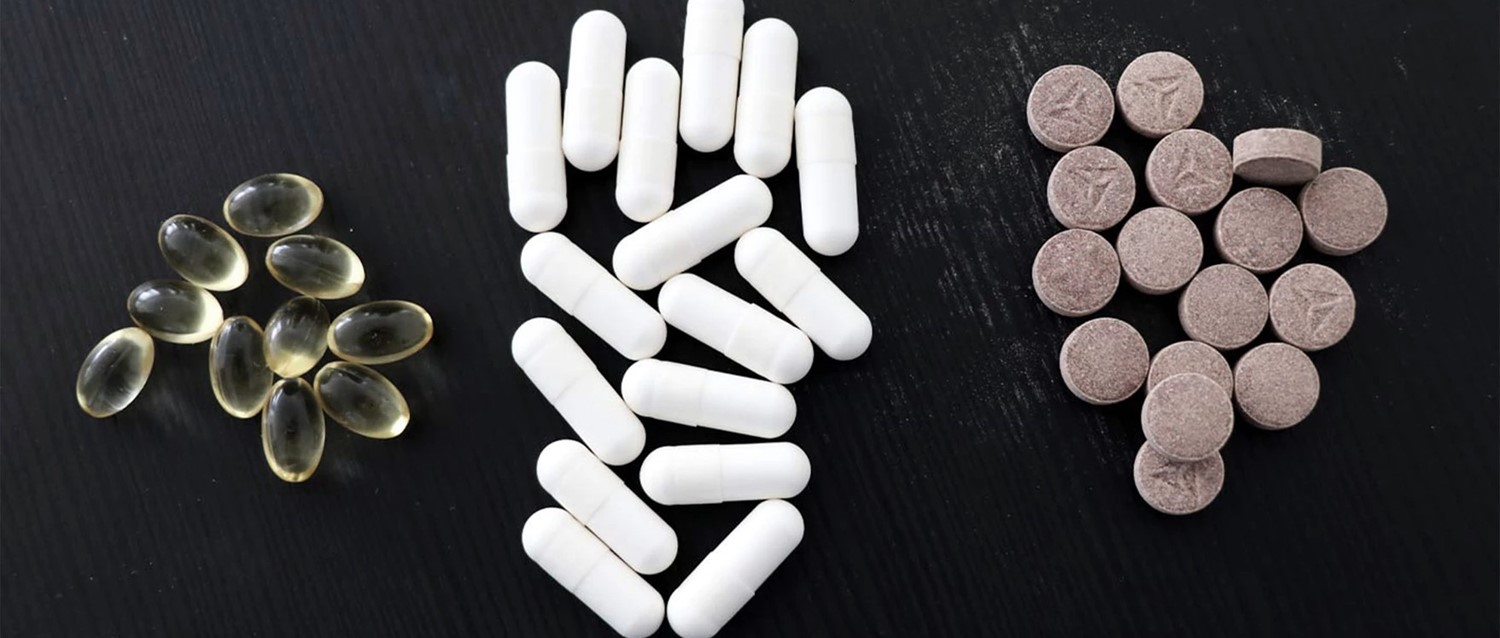
Vitamin supplements show little evidence of health benefits and some could actually be harmful, suggests new research.
Researchers from the University of West Virginia found that most dietary supplements do not have health benefits, and some could even cause harm.
The team reviewed data from over 270 trials, involving almost one million people. They looked into the effects of 16 different nutritional supplements, along with eight dietary interventions, on mortality and heart health.
Of the nutritional supplements reviewed, the only two that were found to be beneficial were folic acid and omega 3. While healthy eating patterns, such as the Mediterranean diet, or eating low fat, were found to have no effect on heart health. However, a diet low in salt was found to be beneficial for cardiovascular health.
The team also discovered that combining vitamin D tablets with a calcium pill could actually increase the risk of a stroke. But taking calcium or vitamin D alone seemed to have no effect on mortality or heart health whatsoever.
"The reason we conducted this study was that millions of people in the United States and across the world consume supplements or follow certain dietary patterns, but there was no good-quality evidence to suggest that these interventions have any effect on cardiovascular protection," lead author Dr Safi Khan said.
However, he admitted that there were limitations to these results, as most studies relied on participants keeping track of their supplement intake and eating habits through the use of food diaries. Evidence supporting the dangers of combining calcium and vitamin D supplements was not robust.
NHS guidance states that most people without pre-existing medical conditions do not need to take supplements, as a balanced diet should provide adults with all the necessary nutrients to stay healthy. The only exception is vitamin D which should be taken daily from October to May.
Susan Jebb, professor of diet and population health at University of Oxford, said: "This review confirms the vast majority of previous research that has failed to find benefits of most nutritional supplements. But the suggestion that dietary interventions have no benefit does not reflect the totality of the evidence."
Patient picks for Vitamins and supplements
Diet and nutrition
Vitamin C: benefits, sources, and deficiency
Most of us know vitamin C is good for us, but do you know all the ways that this essential nutrient benefits your health? Here you can find out how easy it is to get enough vitamin C, as well as what happens when you consume too little and too much.
by Lynn Stephen

Diet and nutrition
Do probiotics promote healthy hair?
When you think of healthy hair, you probably think of conditioning treatments, heat damage protection, and many other things. You might not think of your gut - but the gut-hair connection is something that scientists are newly discovering. Probiotics are good bacteria that help keep your gut happy. Does this also make them the key to fuller and healthier hair?
by Amberley Davis
About the authorView full bio

Ashwin Bhandari
Medical Writer
BA Journalism
About the reviewerView full bio

Natalie Healey
Freelance journalist
BSc (Hons) Biomedical Science
She is a London-based health journalist who has been writing about science and medicine for several years. She is the former head of editorial at Patient.
Article history
Article also available in English, German, Spanish, French, Italian, Portuguese, Hindi, Hebrew, Arabic, and Swedish.
9 Jul 2019 | Originally published
Authored by:
Ashwin BhandariPeer reviewed by
Natalie Healey
Join the conversation
Share your thoughts or experiences with others in our patient communities.

Ask, share, connect.
Browse discussions, ask questions, and share experiences across hundreds of health topics.

Feeling unwell?
Assess your symptoms online for free
Sign up to the Patient newsletter
Your weekly dose of clear, trustworthy health advice - written to help you feel informed, confident and in control.
By subscribing you accept our Privacy Policy. You can unsubscribe at any time. We never sell your data.
More in diet and nutrition
- 9 health benefits of chia seeds
- Acid reflux diet: foods to eat and avoid
- Can kombucha boost your health?
- Can you lower cholesterol through diet alone?
- Do New Year's diets actually work?
- Do you really need to give up sugar?
- Feeding your good bacteria with probiotics and prebiotic supplements
- Have a happy and healthy Ramadan
- How diet can reduce your risk of stroke and heart attack
- How to avoid snacking when you are bored
- How to make healthy mince pies
- Managing health conditions during Ramadan
- Size matters: why our oversized portions are contributing to the obesity crisis
- Tadpole water - what is it, and does it actually have any health benefits?
- Vitamin A-rich foods could protect against skin cancer
- What is a low-carb diet and is it healthy?
- What is the Atlantic diet?
- Why do we get sugar withdrawal symptoms?
- Why losing weight can cause hair loss - and what to do about it
- Why you don't need to detox