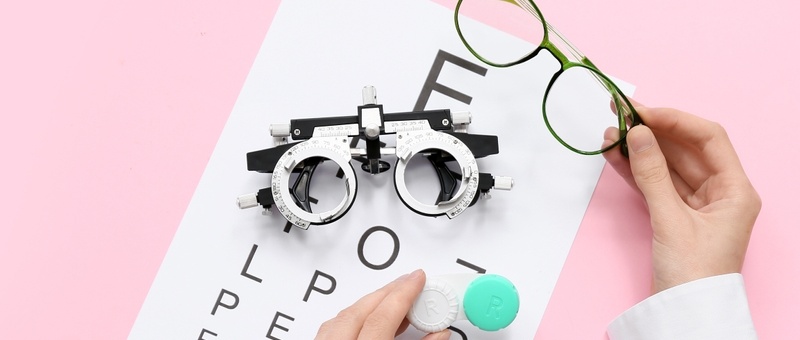
What is AMD and why should you pay attention?
Peer reviewed by Dr Colin Tidy, MRCGPAuthored by Victoria RawOriginally published 16 Feb 2026
Meets Patient’s editorial guidelines
- DownloadDownload
- Share
- Language
- Discussion
- Audio Version
- Add to preferred sources on Google
One of Britain’s most beloved actors has spoken candidly about living with a condition that has affected her ability to go outdoors alone.
Dame Judi Dench was diagnosed with age-related macular degeneration (AMD) 14 years ago, at the age of 76. AMD is a common eye condition that affects your central vision and gradually reduces your ability to see clearly straight ahead.
We asked an expert what AMD does to your eyes, the key symptoms to watch for, and steps you can take to help protect your sight.
What is age-related macular degeneration (AMD)?
AMD is one of the leading causes of sight loss in the UK. It happens when the cells in the macula - the central part of your retina - start to break down. As the condition progresses, everyday activities such as reading, driving and recognising faces can become increasingly difficult.
AMD is more common with age and primarily affects people over 55. It can develop gradually over several years or, in some cases, progress more rapidly within months. The condition often begins in one eye, though it may eventually affect both.
Oscar-winner Dame Judi Dench has been living with AMD since 2012, when she was in her mid-seventies. Now in her nineties, she recently spoke about her declining eyesight in an interview with Trinny Woodall.
Appearing on the fashion expert’s podcast, Fearless, Dame Judi explained that she can no longer go out alone due to the progression of her AMD. She now always has someone with her when she ventures outdoors, as her central vision has deteriorated to the point where she feels unsafe navigating the outside world by herself.
Her openness has sparked fresh appeals for people across the UK to have regular eye check-ups, to help detect AMD sooner.
Dr Shen Mason
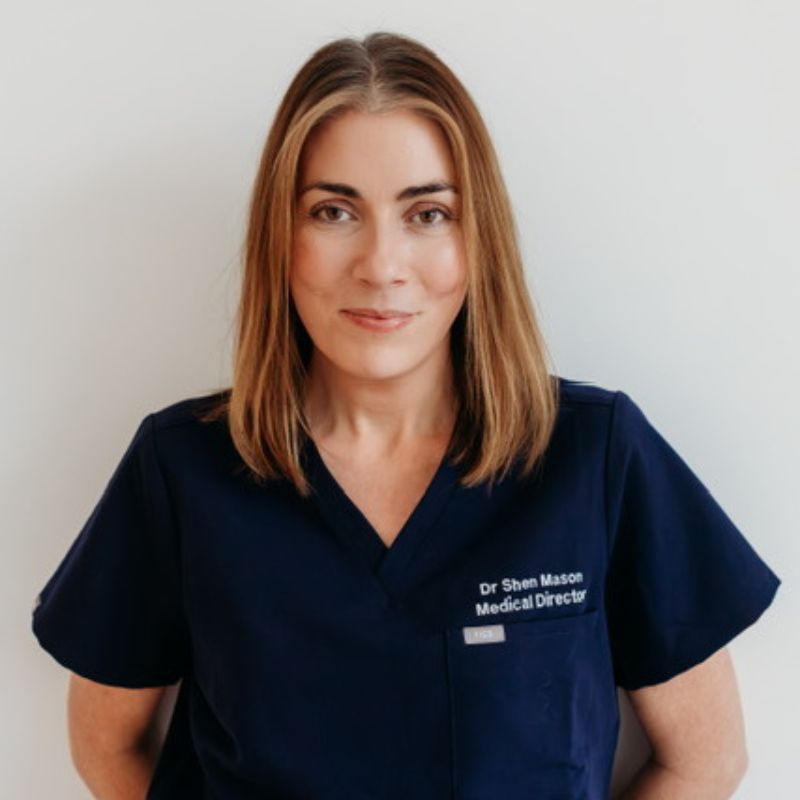
Dr Shen Mason, Medical Director for Ophthalmology at Practice Plus Group, UK, explains that Dame Judi’s comments have brought much-needed attention to a condition that affects millions of people across the UK.
“Dame Judi Dench bravely sharing her experience will really help to raise awareness of AMD and the devastating impact it can have on independence and everyday life,” says Mason. “What many people don’t realise is that AMD can often be detected much earlier - often routinely in people in their 50s and 60s - through regular eye tests, sometimes before any symptoms appear.”
What are the symptoms of AMD?
Regular eye tests with an ophthalmologist are crucial for detecting AMD, as early changes in vision may go unnoticed. Knowing the key signs can help you seek treatment promptly and slow the condition’s progression.
Common signs of AMD may include:
Central vision becomes blurry, distorted, or gradually harder to see clearly - even when wearing your glasses.
Challenges with everyday activities such as reading, watching television, driving, or recognising faces.
Needing brighter light to read or do close-up tasks.
Colours appear less vivid or washed out.
Increased sensitivity to bright lights or glare.
Seeing occasional flickers or flashes of light.
Straight lines appear wavy, bent, or irregular.
Visual hallucinations - such as seeing objects that aren’t really there.
A small blank spot in the centre of your vision that may become slowly larger over time.
Why early detection of AMD matters
While certain treatments and lifestyle changes might help slow the progression of AMD, they can’t restore vision that has already been lost.
“Once sight has been lost to AMD, we can’t get it back,” Mason warns. “Treatment focuses on stabilising your vision rather than improving it, which is why early diagnosis is so important. The earlier we catch AMD, the better chance we have of preserving your sight and maintaining your independence.”
She adds that in the past, many people accepted vision loss as an inevitable part of ageing - but that’s no longer the case.
“Regular eye checks allow us to detect and treat conditions such as cataracts, glaucoma and macular degeneration early - often before symptoms develop,” says Mason.
5 tips to reduce your chance of AMD
Mason encourages everyone not to wait until AMD symptoms develop, but to attend regular eye examinations - even if your vision seems normal. This is the most reliable way to detect AMD early and safeguard your long-term eye health.
She outlines five simple steps you can take after 60 to help lower your likelihood of developing the condition:
Book an eye test every one to two years - or more often if you have diabetes, high blood pressure, or a family history of eye disease.
Stop smoking - this increases your chance of both cataracts and macular degeneration.
Eat a healthy, balanced diet rich in leafy greens and brightly coloured vegetables.
Keep your blood pressure and diabetes well managed.
Protect your eyes from ultraviolet (UV) light by wearing sunglasses in bright daylight.
Patient picks for Eye health
Eye health
Future-proof your sight: why your eyes deserve a long-term plan
It’s a fact of life that, as we age, certain bodily functions naturally change - and eyesight is one of them. While many factors affect eye health and not all are within our control, simple healthy habits can help keep your vision strong for longer. Caring for your eyes as you get older can make a big difference in keeping you active, independent, and able to do what you love.
by Victoria Raw

Eye health
How to prevent dry eyes during winter
Dry eyes during winter are not uncommon, especially as the temperatures change and most of us crank up the central heating. While we can't control the weather, it is possible to prevent dry eyes or ease the often uncomfortable, irritating symptoms that accompany them.
by Lynn Stephen
Frequently asked questions
If I've been diagnosed with AMD, will I definitely lose all my sight?
No, if you have AMD, it doesn't mean you will lose all of your sight. AMD primarily affects your central vision, which is crucial for tasks like reading and recognising faces. Your peripheral (side) vision is usually not affected, meaning you would still be able to see things around the edges of your vision. Early detection and treatment aim to preserve your existing sight for as long as possible.
Does AMD only affect elderly people?
While AMD is more common with age and typically affects people over 55, it's important to remember that it can develop earlier. Dame Judi Dench was diagnosed in her mid-seventies, but Dr. Shen Mason notes that it can often be detected in people in their 50s and 60s through regular eye tests, sometimes even before symptoms start to appear.
Can AMD affect only one eye?
Yes, AMD can begin in just one eye. However, it may eventually affect both eyes. Regular eye check-ups are important even if you only notice symptoms in one eye, to monitor for changes in the other.
Are there different types of AMD, and does this article cover them?
The article discusses age-related macular degeneration (AMD) generally and its impact, symptoms, and tips for reducing its chance. It focuses on the patient experience and the importance of early detection and managing the condition. It doesn't delve into specific types of AMD or their differing characteristics.
If I have AMD, what changes can I expect to my daily life, particularly with activities like driving?
As AMD progresses, everyday activities can become increasingly difficult. Tasks such as reading, driving, and recognising faces may be challenging. Dame Judi Dench, for example, can no longer go out alone due to her deteriorating central vision, requiring someone with her for safety when outside. The level of impact varies, but central vision impairment can significantly affect independence.
About the authorView full bio
Authored by

Victoria Raw
Feature Writer
BA (Hons), English Literature
Victoria is a content writer at Patient, with special interests spanning mental wellbeing, societal trends and the impact of technology on our health.
About the reviewerView full bio

Dr Colin Tidy, MRCGP
General Practitioner, Medical Author
MBBS, MRCGP, MRCP (Paediatrics), DCH
Dr Colin Tidy is an NHS Doctor, based in Oxfordshire.
Article history
Article also available in English, German, Spanish, French, Italian, Portuguese, Hindi, Hebrew, Arabic, and Swedish.
Next review due: 16 Feb 2029
16 Feb 2026 | Originally published
Authored by:
Victoria RawPeer reviewed by
Dr Colin Tidy, MRCGP
Join the conversation
Share your thoughts or experiences with others in our patient communities.

Ask, share, connect.
Browse discussions, ask questions, and share experiences across hundreds of health topics.

Feeling unwell?
Assess your symptoms online for free
Sign up to the Patient newsletter
Your weekly dose of clear, trustworthy health advice - written to help you feel informed, confident and in control.
By subscribing you accept our Privacy Policy. You can unsubscribe at any time. We never sell your data.