
כיצד גיל המעבר יכול להשפיע על נשים בעבודה
נבדק על ידי Dr Krishna Vakharia, MRCGPנכתב על ידי לידיה סמיתפורסם במקור 24 Jan 2023
עומד בהנחיות העריכה של Patient
- הורדהורד
- שתף
- Language
- דיון
- Ask Patient
- גרסת שמע
- הוסף למקורות מועדפים בגוגל
Menopause is a natural part of ageing, but it can bring a whole host of debilitating physical and mental symptoms. From hot flushes to anxiety and concentration problems, menopause can have a serious impact on women’s relationships, family lives and work - and for some, it forces them to quit their jobs and leave the workforce entirely.
Get support with menopause symptoms
קבלו ייעוץ רפואי מקצועי בנוחות של ביתכם. השלימו ייעוץ מקוון קצר, הזמין 24/7, ובקשתכם תיבדק על ידי איש צוות רפואי הרשום בבריטניה. משלוח למחרת זמין עבור טיפולים מתאימים.

What is the menopause?
מנופאוזה occurs because as you age, your ovaries stop producing eggs and make less oestrogen, causing your periods to stop. Usually, it happens between the ages of 45 and 55 - but it can happen earlier or later.
Of the 13 million people affected by גיל המעבר in the UK, 75% will experience negative symptoms. A quarter of women who experience menopause describe the symptoms - which can include hot flushes, difficult sleeping, low mood or חרדה, and problems with memory - as severe1.
With these challenging symptoms potentially lasting for years, it's no surprise that the menopause can have a serious impact on women at work.
A 2021 survey of 2,000 women found that almost a quarter had left their jobs because of the menopause.
The research also found that, of those who suffered ill-health as a result of the menopause, around one in five said they were not given a pay rise or promotion. Shockingly, 13 percent said they had had to go through a disciplinary procedure.
Despite this, the UK Government has rejected calls for a trial of menopause leave for women, claiming that it could cause discrimination against men with long-term medical conditions. Ministers also rejected a recommendation to make menopause a protected characteristic under the Equalities Act.
The report comes as a poll suggests healthcare for women in the UK is as bad as Kazakhstan. Britain ranked lower than the US, Australia, New Zealand, France and Germany in the 2021 Hologic Global Women’s Health Index2.
A separate study of 2,400 people working in finance in the UK found that a quarter of employees going through the גיל המעבר said their experience made them more likely to retire early. Also, just one in five of women and transgender men said they had disclosed their menopause status at work, for fear of stigma3.
Kate Usher, a גיל המעבר specialist and gender equality consultant, said going through the menopause had a significant impact on her work.
"I found work relationships extremely challenging," she says. "I would have to explain why I was sweating profusely or forgetting my words. I had to face my own discomfort when talking about it, and at the same time manage other people's. I had to learn on the job - so to speak - about how to talk about menopause and take control of the situation."
How the menopause affects women at work
השפעת התסמינים
Experiencing menopausal symptoms can have a significant impact on women at work. They can include hot flushes, difficulty sleeping, הזעות לילה, דפיקות לב, כאבי ראש, סחרחורת, muscle aches and changes to body shape and skin.
Menopause also affects people's mental health too, triggering changes to mood and problems such as brain fog.
According to a survey of more than 1,000 people, around six out of ten working women between the ages of 45 and 55 said the menopause had a negative impact on them at work4. Around seven in ten said they were less able to concentrate, while more than half around six in ten said they felt more לחץ.
Stigma
The problem is made worse by סטיגמה surrounding the menopause transition. Despite it being a natural part of life, menopause has long been a taboo subject. Due to a lack of information and a culture of silence, many women don't tell anyone they are experiencing the גיל המעבר over fears they'll be discriminated against.
Rachel Suff, senior policy adviser for the CIPD, which has carried out research into the impact of menopause at work, says more needs to be done to support women.
"It's likely that nearly every workplace in the UK has someone experiencing the menopause right now but many managers are in the dark on how best to support them," she says. "Rather than it being a workplace taboo, line managers should be ready to treat the menopause like any other health condition and have open, supportive conversations with women in their teams."
How to cope with menopause at work
If you're struggling with menopause symptoms at work, it's important to speak to your manager about making reasonable changes, such as moving your desk to a cooler area or arranging flexible working.
Taking regular breaks can help with symptoms such as exhaustion and problems concentrating. If the symptoms are severe or having a serious impact on your day-to-day life, you may be able to request leave due to ill health.
Menopause and the law
The menopause is not a specific protected characteristic under the Equality Act 2010. However, if you are put at a disadvantage and treated unfairly because of your menopause symptoms, this could be discrimination if it is found to be related to a 'protected characteristic' such as age, disability, gender reassignment, or sex.
Organisations such as Citizens Advice can provide advice and support.
Employers should make sure they have steps, procedures and support in place to help staff affected by the גיל המעבר.
קריאה נוספת
1. NHS England: Menopause in the workplace.
2. Hologic: Global Women’s Health Index.
3. Benenden Health: National health and wellbeing at work report.
4. Fawcett Society: Menopause in the Workplace: Impact on Women in Financial Services
בחירות המטופלים עבור Workplace health
בריאות כללית ואורח חיים
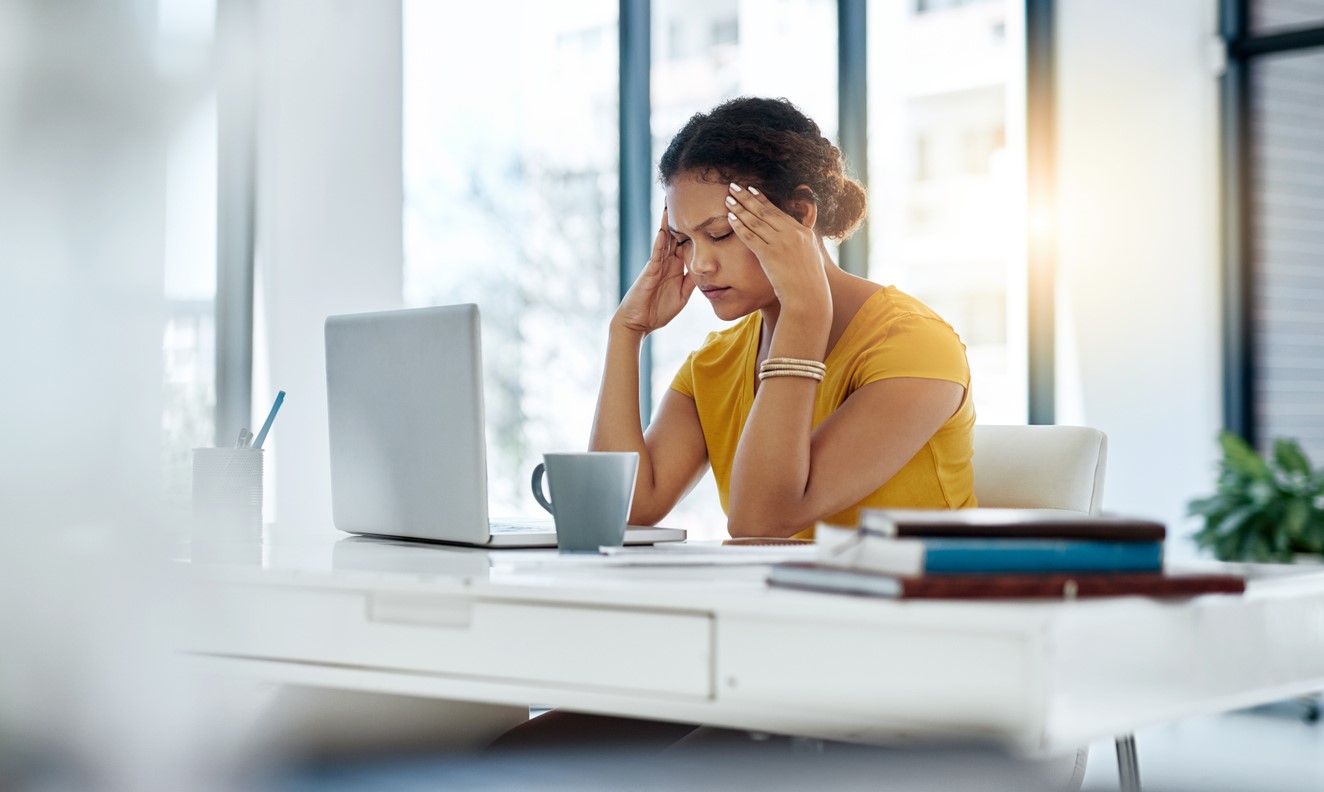
בריאות הנפש ועבודה: האם זה משפיע על הקריירה שלך?
World Mental Health Day is celebrated every year on 10 October. This year’s theme, set by the World Federation of Mental Health, is workplace mental health. This highlights the importance of addressing mental health and wellbeing in the workplace, for the benefit of people, organisations, and communities. Every job has pressure and stress, but what if it’s more than that? Managing your mental health and work is vital, so you need to be able to recognise any signs of issues.
מאת לורנס היגינס
בריאות כללית ואורח חיים
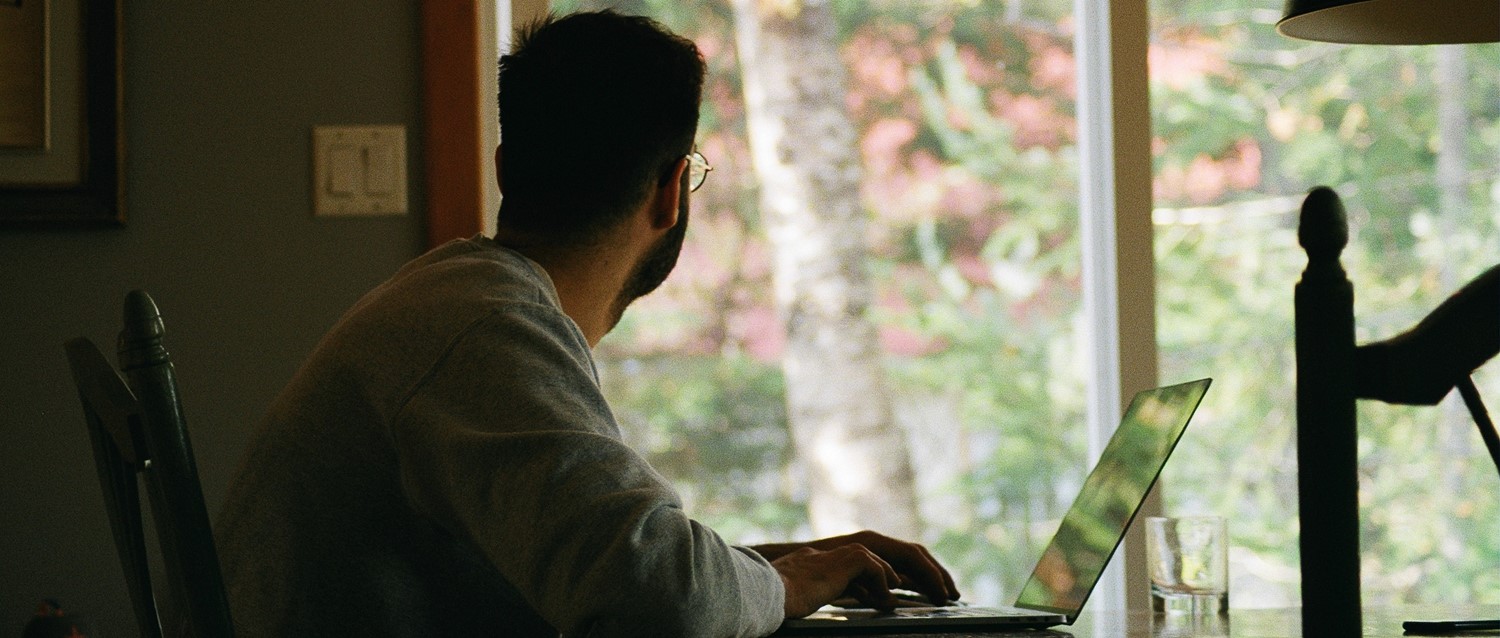
כיצד אי חזרה למשרד תשפיע על הבריאות שלנו?
בין אם אתם משתוקקים לחזור לכיסא המסתובב או מתכננים להמשיך בזום מהמיטה לנצח, כך או כך, לרבים מעובדי המשרד כבר יש דעות מוצקות על עבודה מרחוק. ככל שיותר ויותר מעסיקים משיקים 'עבודה היברידית', על העובדים כעת לשקול את העלויות הפיזיות והנפשיות של שנה של עבודה מהבית.
מאת אלי ברוטון
אודות המחברצפה בפרופיל המלא
נכתב על ידי

לידיה סמית
כותב תכנים
BA, MA, MSc
לידיה סמית' היא עיתונאית וסופרת כתבות זוכת פרסים שכתבה בהרחבה על בריאות נשים ובריאות נפשית. היא לומדת כעת לתואר שני בפסיכולוגיה.
אודות המבקרצפה בפרופיל המלא

Dr Krishna Vakharia, MRCGP
קצין רפואה ראשי לבריאות, Optum UK
MBChB, MRCGP(2013), BMedSci (hons), DFSRH, DRCOG, PGDipDerm (Distn)
ד"ר קרישנה וקאריה היא רופאת משפחה ב-NHS. היא גם בוחנת קבועה לדיפלומה לתואר שני בדרמטולוגיה מעשית באוניברסיטת קרדיף וכן משמשת כקצינת הרפואה הראשית לבריאות ב-Optum UK.
שתפו את מחשבותיכם או חוויותיכם עם אחרים ב קהילות המטופלים שלנו.
הירשמו לניוזלטר של פיישנט
המנה השבועית שלך של עצות בריאות ברורות ואמינות - נכתבה כדי לעזור לך להרגיש מעודכן, בטוח ובשליטה.
על ידי הרשמה אתה מקבל את שלנו מדיניות הפרטיות שלנו. באפשרותך לבטל את המנוי בכל עת. לעולם לא נמכור את הנתונים שלך.