
Can anxiety cause depression?
Peer reviewed by Dr Sarah JarvisAuthored by Danny ChadburnOriginally published 21 Sept 2017
Meets Patient’s editorial guidelines
- DownloadDownload
- Share
- Language
- Discussion
- Audio Version
- Add to preferred sources on Google
Not sure if you – or someone you care about – is suffering from anxiety or depression? Or if one can lead to the other? Find out how to tackle both conditions and get the help you need.
Mental health support for adults and children
Online CBT and psychological therapy for adults and children aged 8–17. Onebright’s accredited clinicians support people experiencing anxiety, depression and other emotional challenges.
Symptoms of anxiety and depression
Anxiety and depression have a lot of overlapping symptoms, such as insomnia, but those with anxiety may be more likely to experience feelings of panic and constantly ruminating on things that make them anxious, while someone with depression may suffer from a continuous low mood, low self-esteem and poor energy.
How depression and anxiety are linked
The two conditions can exist side by side. It’s common for people with depression to feel anxious about certain things, as depression can make it difficult to keep stressful situations in perspective. Dr Monica Cain, counselling psychologist at Nightingale Hospital London says anxiety can also trigger depression.
She says, ‘If anxiety is left untreated and you try to manage the worrying and catastrophising through avoidance, eventually those strategies are likely to stop working. That’s when you’re at high risk of depression.’
How anxiety treatment helps
If you treat your anxiety, you can stop it getting worse and prevent depression developing in the longer term. The gold standard treatment for anxiety is cognitive behavioural therapy (CBT), which teaches you to question your underlying beliefs, and think and behave differently so you don’t become overwhelmed by anxious thoughts.
For example, if you have health anxiety and worry about having a rare illness, CBT would train you to think more rationally and understand your symptoms are much more likely to be related to something less serious.
CBT doesn’t involve lots of delving into your past, but gives you an ongoing strategy to manage anxious thoughts. ‘If you have anxiety and depression, you can treat them both at the same time with a talking therapy, as your underlying beliefs are likely to be the same in the two conditions,’ says Cain.
You may also be prescribed drugs called selective serotonin reuptake inhibitors (SSRIs). They work by building up levels of serotonin, the ‘feel good’ chemical, in the brain. While CBT is the most appropriate ongoing treatment, if your anxiety is severe, medication is often what you need to tip the balance so you can seek help and commit to therapy.
Help yourself
Alongside professional help, there’s a lot you can do to support yourself. People with anxiety have high levels of stress hormones in their bodies and exercise is very important for helping to lower these.
It’s also worth trying meditation. Research from Boston University found that mindfulness meditation has a role in easing anxiety and helping you cope better with stress.
Preventing a relapse
If you’re prone to anxiety, it may raise its head from time to time so it’s important to know the signs and symptoms. ‘The earlier you recognise signs, the better,’ says Cain. ‘You may notice sleep disruption or changes in appetite as a very early warning sign.’
At this stage, it may be enough to look after yourself more carefully. This can involve making sure you get plenty of sleep and eat well, along with exercising. ‘Then look out for other signs,’ says Cain. ‘For example, if you notice a desire to isolate and avoid people, arrange a coffee with a friend to see how that feels.’
If symptoms persist or get worse, it’s a good idea to seek help from a professional. Even if you practise CBT skills very well, you might still have further episodes of anxiety and/or depression, and there’s no shame in seeking more help. A top-up course of CBT may be all you need to help prevent your anxiety getting worse and leading to depression.
Patient picks for Anxiety
Mental health
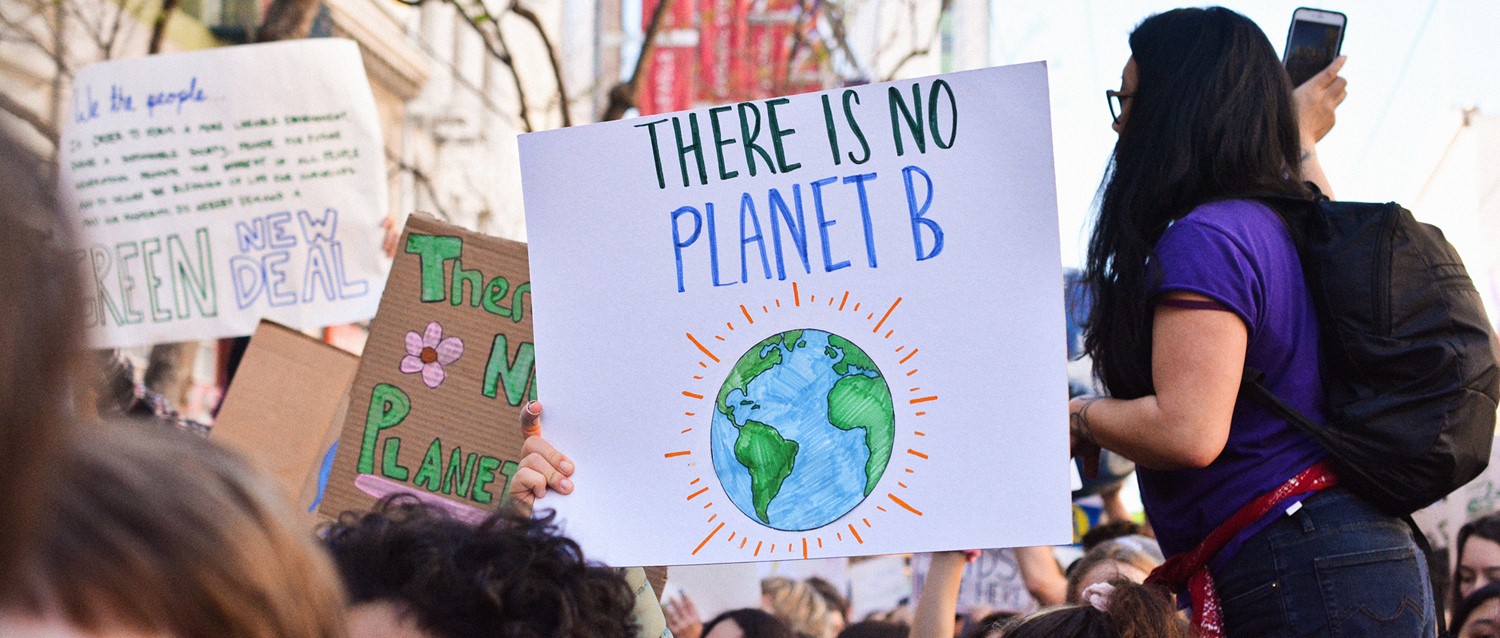
How to cope with climate change anxiety
Campaigns from charities, worldwide protests and research into the effects of human activity are gripping the media and bringing attention to the climate crisis. But if it's leaving you anxious, you are not alone.
by Milly Evans

Mental health
How to spot the symptoms of social anxiety
Social anxiety usually starts in your teenage years but can be triggered at any stage of life. It's a serious condition that can affect all aspects of your life, but there are self-care tips and professional therapies that can help and even cure social anxiety. Speaking to a loved one, a support group, or a mental health professional is also important.
by Amberley Davis
About the author

Danny Chadburn
Head of Content
Danny was the previous Head of Content at Patient.
About the reviewerView full bio

Dr Sarah Jarvis
Clinical Consultant
MA (Cantab), BM, BCh (Oxon), DRCOG, FRCGP, MBE
After training in medicine at Cambridge and Oxford, Dr Sarah Jarvis MBE became a GP.
Article history
Article also available in English, German, Spanish, French, Italian, Portuguese, Hindi, Hebrew, Arabic, and Swedish.
21 Sept 2017 | Originally published
Authored by:
Danny Chadburn
Peer reviewed by
Dr Sarah Jarvis
Join the conversation
Share your thoughts or experiences with others in our patient communities.

Ask, share, connect.
Browse discussions, ask questions, and share experiences across hundreds of health topics.

Feeling unwell?
Assess your symptoms online for free
Sign up to the Patient newsletter
Your weekly dose of clear, trustworthy health advice - written to help you feel informed, confident and in control.
By subscribing you accept our Privacy Policy. You can unsubscribe at any time. We never sell your data.
More in mental health
- Can hugging be good for your health?
- Can magnesium help with anxiety?
- Can you have therapy if you don't have a mental health problem?
- CBT for insomnia: how does it work?
- Could the energy crisis fuel a mental health emergency?
- Could your 'morning dread' be a sign of perimenopause?
- NewCraving some cosy? The science of autumn nesting
- Emotional dysregulation: what it is and how to cope
- Gaynor Faye on Hot Flash, menopause - and why midlife women deserve to be seen
- How to lower cortisol levels: 10 proven ways
- How to stop ‘mum guilt’ from impacting your mental health
- Is Christmas music good or bad for your mental health?
- Managing PTSD during fireworks season
- Redefining work-life balance: what is the Quiet Quitting movement?
- Should I switch antidepressants?
- The Stranger Things effect: why nostalgia builds connection and improves our mood
- Why we should be making mental health New Year resolutions
- Work, rest, repeat: How to break the burnout cycle