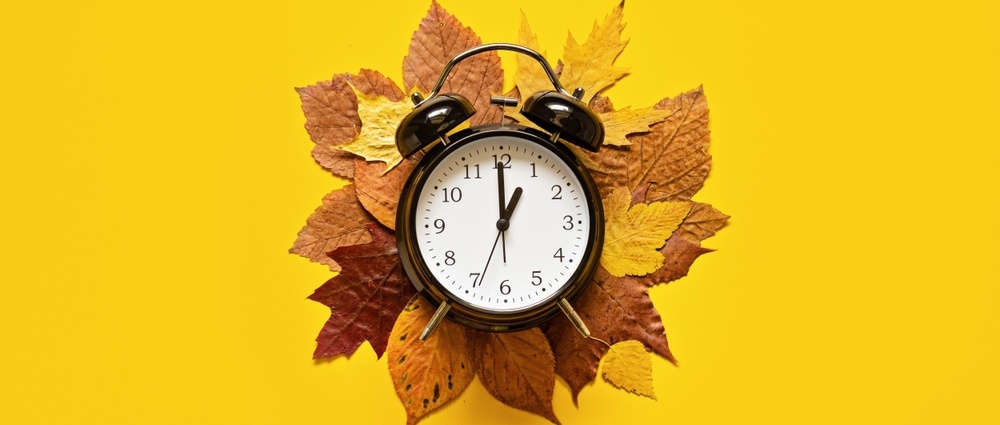
Daylight Savings Time: Why the clocks changing can affect our health
Peer reviewed by Dr Colin Tidy, MRCGPLast updated by Lynn StephenLast updated 15 Oct 2025
Meets Patient’s editorial guidelines
- DownloadDownload
- Share
- Language
- Discussion
- Audio Version
- Add to preferred sources on Google
The days are getting colder and shorter, which means autumn has arrived in the UK. Soon, the clocks will jump back by an hour to mark the end of Daylight Savings Time or British Summer Time. Although this will give us an extra hour in bed, the clocks changing could have an impact on our health.

Why do our clocks change?
In Britain, the clocks will move back by one hour at 2am on Sunday 26th October. We change the clocks to make better use of natural daylight in the morning.
Between March and October - during Daylight Saving Time - an hour of daylight is borrowed from the morning and added to the end of the day. At the end of October, we push the clocks back and return to standard time or Greenwich Mean Time.
The United States, Canada, Australia and New Zealand - as well as European countries such as France, Germany, Italy, Poland and Spain - also change their clocks.
Every year, the clock change causes a discussion about whether we should continue the practice. Some people welcome the change as it marks the start of a new season, but others argue that it’s an inconvenience.
However, some researchers suggest that changing the clocks can have a serious effect on our health because of the disruption to our circadian rhythms.
Circadian rhythms are physical, mental and behavioural changes that follow a 24-hour cycle, regulating things such as alertness, sleepiness and appetite. These processes tend to be aligned with the cycle of day and night.
How does the clocks changing affect health?
According to research, moving our clocks forward or back by an hour can disturb these natural rhythms - leading to several health issues.
Increase in mood disorders
Research has linked the clocks changing to an increase in mood disorders such as depression or seasonal affective disorder. When the clocks go forward in the spring, it means we have darker mornings and lighter evenings.
Less morning light can lower levels of the mood-boosting hormone serotonin, which can affect how you feel emotionally - especially if you already have a mental health issue such as depression.
Research has also linked the clocks going back to mood disorders. A US study found an 11% increase in depressive episodes during the switch from daylight saving to standard time.
Disrupted sleep
The clocks changing can also affect our sleep schedules, which in turn can affect our mood and ability to concentrate. The shift may mean we go to bed and wake up earlier or later than usual - and the disruption could lead to insomnia or interrupted sleep.
Although these issues are usually temporary - lasting a few days or weeks - it can make us feel tired and foggy.
This fatigue may also lead to accidents. A study of 732,000 car accidents over two decades found that the annual switch to Daylight Saving Time is associated with a 6% increase in fatal car crashes that week.
Increased chance of cardiovascular disease
The disruption to our circadian rhythms may also be linked to heart disease, according to some studies - although the exact reason why is unknown.
A study review found that the chance of heart attacks increased “modestly but significantly” after the shift to daylight saving time in the spring but not in winter clock change.
According to the researchers, the abrupt change to the ‘sleep-wake cycle’ has been linked to inflammation and imbalances in the nervous system.
Another study found that moving into daylight saving time is associated with a higher chance of cardiovascular disease, mental health issues and immune-related disorders.
How to manage the clocks changing
Get fresh air
Getting outside and exercising frequently are both useful ways to help you reset your internal body clock. Going for a walk first thing after you wake up may help you adjust to the day after the clocks change.
Avoid caffeine
Stimulants such as caffeine can keep you awake and throw off the natural balance between sleep and wakefulness. If you are having trouble sleeping at night, it may help to avoid coffee after midday.
Limit light before bed
Artificial light exposure at night can interfere with your circadian rhythm. Try to avoid using electronic devices that emit blue light - such as phones and laptops - in the lead-up to bedtime.
Keep naps short and early in the afternoon
When you’re feeling tired, it’s tempting to have a nap - but longer naps or napping later in the day can mean you struggle to sleep at night. If you do have a nap, keep it short at around 20 minutes.
Follow a consistent sleep schedule
Sticking to a bedtime or morning wake-up time can help your body adjust to a stable circadian rhythm. Get your bedroom ready for a good night’s sleep by making it dark and comfortable. Try to relax before bed, for example, by having a bath or reading a book.
Seek help if you’re struggling with your mental health
If you’re experiencing depression, anxiety or another mental health problem, it’s important to speak to your doctor for advice. You can also self-refer for counselling on the NHS.
Patient picks for Depression
Mental health
How to talk to people about your mental health
Seeking help is often the first step towards getting and staying well, but talking about a mental health problem isn't always easy. It's normal to feel nervous about speaking about your health to a trusted friend or family member - and approaching your doctor or employer for help can seem overwhelming.
by Lawrence Higgins
Mental health
What is 'good mental health'?
We all want to feel well, both mentally and physically. But what feeling well means - especially in terms of mental health - varies for each of us. We all need different things to feel our best.
by Lynn Stephen
About the authorView full bio

Lydia Smith
Feature writer
BA, MA, MSc
Lydia Smith is an award-winning journalist and feature writer who has written extensively on women's health and mental health. She is currently studying for an MSc in psychology.
About the reviewerView full bio

Dr Colin Tidy, MRCGP
General Practitioner, Medical Author
MBBS, MRCGP, MRCP (Paediatrics), DCH
Dr Colin Tidy is an NHS Doctor, based in Oxfordshire.
Article history
The information on this page is peer reviewed by qualified clinicians.
Article also available in English, German, Spanish, French, Italian, Portuguese, Hindi, Hebrew, Arabic, and Swedish.
Next review due: 15 Oct 2028
15 Oct 2025 | Latest version
23 Oct 2023 | Originally published
Authored by:
Lydia Smith
Join the conversation
Share your thoughts or experiences with others in our patient communities.

Ask, share, connect.
Browse discussions, ask questions, and share experiences across hundreds of health topics.

Feeling unwell?
Assess your symptoms online for free
Sign up to the Patient newsletter
Your weekly dose of clear, trustworthy health advice - written to help you feel informed, confident and in control.
By subscribing you accept our Privacy Policy. You can unsubscribe at any time. We never sell your data.
More in mental health
- 9 tips to enjoy yourself and budget well this Christmas
- A fear of holes: what triggers trypophobia?
- Can rage rooms help you de-stress?
- Do beta blockers help with anxiety symptoms?
- How do stereotypes prevent Black people from seeking help for eating disorders?
- How the pressure to breastfeed can impact mental health
- How to deal with back to work anxiety
- How to help your child with back-to-school anxiety
- How to manage stress when living with cardiomyopathy
- Is crying good for you?
- Is maladaptive daydreaming a sign of mental illness?
- Managing PTSD during fireworks season
- Movember spotlight: black men's mental health
- National Houseplant Week: Health benefits of biophilia and plants
- Skin-picking and hair-pulling: managing body-focused repetitive behaviours
- The best mindfulness apps, according to experts
- Why a Christmas movie can make us feel good
- Why do I feel depressed in the New Year?
- Why you should take up a creative hobby this year
- Why your long commute is bad for your health