Alcohol withdrawal and alcohol detoxification
Peer reviewed by Dr Colin Tidy, MRCGPLast updated by Dr Hayley Willacy, FRCGP Last updated 14 Jan 2025
Meets Patient’s editorial guidelines
- DownloadDownload
- Share
- Language
- Discussion
- Audio Version
- Add to preferred sources on Google
In this series:Liver disease and alcoholAlcohol and sensible drinking - safe limits of alcoholAlcohol use disorderNon-alcoholic fatty liver disease
Many people who regularly drink excessive quantities of alcohol become alcohol-dependent. This can cause the body serious harm. There is a great deal of help for people who are alcohol-dependent and want to stop drinking.
At a glance
Alcohol dependence causes strong cravings and withdrawal symptoms 3-8 hours after your last drink.
Withdrawal symptoms can include sickness, trembling, sweating, and feeling awful.
Delirium tremens is a severe reaction that can occur 48-72 hours after stopping alcohol.
Alcohol detoxification (detox) uses medicine, like chlordiazepoxide, to prevent severe withdrawal symptoms.
You should not drink alcohol during a detox, and support from others can be helpful.
After detox, medicines like acamprosate or disulfiram, and counselling can help prevent relapse.
If you are alcohol-dependent you have a strong desire to drink alcohol. In addition, your body becomes used to lots of alcohol. Therefore, you may start to develop withdrawal symptoms 3-8 hours after your last drink as the effect of the alcohol wears off. So, even if you want to stop drinking, it is often difficult because of the alcohol withdrawal symptoms.
Alcohol withdrawal syndrome
Feeling sick (nausea).
The 'shakes' (trembling).
Sweating.
Craving for alcohol and just feeling awful.
Convulsions - these occur in a small number of cases.
As a result, you drink alcohol regularly and depend on it to prevent these symptoms. If you do not have any more alcohol the withdrawal symptoms usually last 5-7 days but a craving for alcohol may continue for long-term.
Delirium tremens
Delirium tremens (DTs) is a more severe reaction after stopping alcohol. It occurs in about 1 in 20 people who have alcohol withdrawal symptoms, about 48- 72 hours after their last drink. Symptoms include:
Marked trembling and agitation.
Confusion and seeing and hearing things that are not there (delirium).
Some people have convulsions.
Complications can develop, such as lack of fluid in the body (dehydration) and other serious physical problems.
It is life-threatening or fatal in some cases.
Alcohol detox
Detoxification, or 'detox', is an option if you have alcohol dependency.
Detoxification, or 'detox', involves taking a short course of a medicine which helps to prevent withdrawal symptoms when you stop drinking alcohol.
The most commonly used medicine for 'detox' is chlordiazepoxide. This is a benzodiazepine medicine.
Other possible medication that can be considered includes diazepam and the antipsychotic medicines olanzapine and haloperidol. However, antipsychotics should only be used in addition with benzodiazepines and not by themselves alone in the treatment of severe alcohol withdrawal symptoms.
Alcohol withdrawal medication and support
Some GPs (who have been specially trained) are happy to prescribe for an 'alcohol detox'. Otherwise your community alcohol team will assist. A common plan is as follows:
A GP will prescribe a high dose of medication for the first day that you stop drinking alcohol.
You then gradually reduce the dose over the following 5-7 days. This usually prevents or greatly reduces the unpleasant alcohol withdrawal symptoms.
You must agree not to drink any alcohol when you are going through 'detox'. A breathalyser may be used to confirm that you are not drinking.
Whoever is supporting you will usually see you quite often during the time of 'detox'.
Also during this period, support from family or friends can be of great help. Often the responsibility for getting the prescription and giving the 'detox' medicine is shared with a family member or friend. For example, a partner or parent of the person going through 'detox'.
Alcohol detox symptoms
Some people manage quite easily, whilst others find it more difficult. You can expect to have some central nervous symptoms:
Feel quite nervous or anxious for a few days.
Have some difficulty with getting off to sleep for a few nights.
Have some mild withdrawal symptoms but they should not be too bad and a lot less than if you were not taking the 'detox' medicine.
The medication used for 'detox' does not make you stop drinking. You need determination to stop. The medication simply helps you to feel better whilst your body readjusts to not having alcohol. Even after the period of 'detox' you may still have some craving for alcohol. So you will still need willpower and coping strategies for when you feel tempted to drink.
Vitamin supplements
You are likely to be prescribed vitamins, particularly vitamin B1 (thiamine), if you are alcohol-dependent - especially during 'detox'. This is because many people who are dependent on alcohol do not eat properly and can lack certain vitamins.
A lack of vitamin B1 is the most common. A lack of this vitamin can cause serious brain conditions.
Hospital alcohol detox
Some people are referred to a specialist drug and alcohol unit for 'detox'. This is usually better for people who have other physical or mental health problems and for those who have the following:
Little home or social support.
A history of severe withdrawal symptoms.
A physical illness caused by alcohol.
Previous attempts to stop alcohol which have failed.
The medicines used to 'detox' in specialist units are much the same as GPs prescribe. However, these units have more staff and expertise for giving support and counselling.
You may be admitted to hospital if you have serious alcohol-related problems such as DTs or withdrawal seizures, or if you are aged under 16 years and have alcohol withdrawal symptoms.
Other groups of people sometimes offered hospital admission for 'detox' include those with learning difficulties, social difficulties or lots of different illnesses.
After a detox - staying off alcohol
After a successful alcohol 'detox', some people go back to drinking heavily again at some point (a relapse). To help to prevent a relapse you may be offered medication or other help.
Medication
The following medicines may be prescribed for several months to treat alcohol use disorders:
Acamprosate is a medicine which helps to ease alcohol cravings. It is usually started in hospital and continued by GPs.
Disulfiram is another medicine which is sometimes recommended by hospital specialists following a successful 'detox'. When you take disulfiram you get very unpleasant symptoms if you drink any alcohol. These may include:
Flushing.
Being sick (vomiting).
A 'thumping' or fast heart rate (palpitations).
Headache.
So, in effect, the medicine acts as a deterrent for when you are tempted to drink. It can help some people to stay off alcohol.
Naltrexone is an alternative to acamprosate but it is usually only prescribed by specialists.
Nalmefene is a newer treatment available as an option for reducing alcohol consumption in people with alcohol dependence or alcohol addiction:
It is considered for those who have an alcohol consumption of more than 60 g per day for men and more than 40 g per day for women (8 g of alcohol is equal to one standard unit of alcohol), without physical withdrawal symptoms and who do not require immediate detoxification.
Nalmefene is another treatment often started by a specialist rather than a GP. Patients who are prescribed it should be regularly reviewed by a healthcare professional whilst taking it.
Other help
It is thought that you are less likely to go back to drinking heavily if you have counselling, or other support to help you to stay off alcohol. Your doctor, practice nurse, or local drug and alcohol unit may provide ongoing support when you are trying to stay off alcohol. Self-help groups such as Alcoholics Anonymous have also helped many people to stay off alcohol.
If you do go back to heavy drinking, you can always try again to stop or cut down. Some people take several attempts before they stop drinking, or keep within the safe limits, for good. See the separate leaflet called Alcohol and Sensible Drinking.
Patient picks for Alcohol advice
Healthy living
Liver disease and alcohol
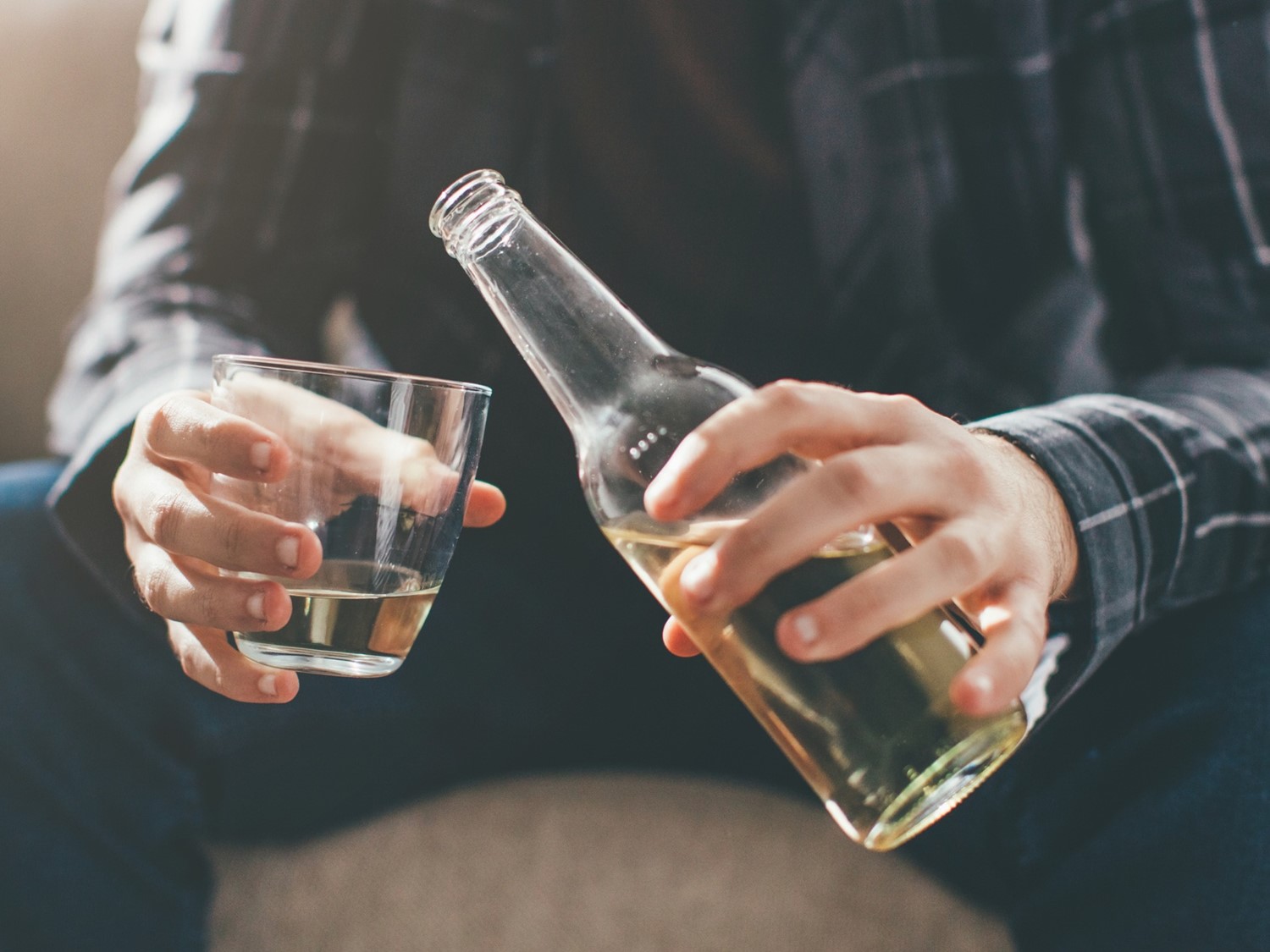
Alcohol abuse can lead to three main types of liver diseases: fatty liver, hepatitis and 'scarring' of the liver (cirrhosis). It can also lead to other health problems. This leaflet also includes information about non-alcoholic fatty liver disease.
by Dr Doug McKechnie, MRCGP
Healthy living
Alcohol units calculator
Use this alcohol units calculator to work out how many units are in your drinks and see how your drinking compares with UK low-risk guidelines. Many people underestimate how much alcohol is in common drinks, particularly when measures or strengths vary. Open the calculator.
Frequently asked questions
What is the role of family and friends during alcohol detox?
Support from family or friends can be very helpful during an alcohol 'detox'. Sometimes, the responsibility for collecting prescriptions and administering the detox medicine is shared with a family member or friend, such as a partner or parent.
Why are vitamin B1 supplements important during alcohol detox?
If you are alcohol-dependent, particularly during detox, you are likely to be prescribed vitamins, especially vitamin B1 (thiamine). This is because many individuals dependent on alcohol do not eat properly and may lack essential vitamins. A deficiency in vitamin B1 is common and can lead to serious brain conditions.
What happens after a successful alcohol detox?
After a successful alcohol 'detox', there's a risk some people may return to heavy drinking. To help prevent this, you might be offered medication or other support such as counselling. Medicines like acamprosate, disulfiram, naltrexone, or nalmefene may be prescribed to help manage cravings or act as a deterrent. Ongoing support from medical professionals or self-help groups like Alcoholics Anonymous can also be beneficial in staying off alcohol.
Can I get an alcohol detox if I have other health problems?
Yes, some people with other physical or mental health problems are referred to a specialist drug and alcohol unit for 'detox'. These units offer more staff and expertise for support and counselling. You may also be admitted to hospital for a 'detox' if you have serious alcohol-related problems, learning difficulties, social difficulties, or many different illnesses.
What is the difference between delirium tremens (DTs) and typical alcohol withdrawal symptoms?
Delirium tremens (DTs) is a more severe reaction that can occur after stopping alcohol, typically 48-72 hours after the last drink, in about 1 in 20 people experiencing withdrawal. While typical withdrawal involves nausea, 'shakes', sweating, and craving, DTs includes marked trembling and agitation, confusion, seeing and hearing things that aren't there (delirium), and sometimes convulsions. DTs can also lead to serious complications like dehydration and can be life-threatening or fatal in some cases.
Further reading and references
- Alcohol - problem drinking; NICE CKS, May 20253 (UK access only)
- Alcohol-use disorders: diagnosis, assessment and management of harmful drinking and alcohol dependence; NICE Clinical Guideline (February 2011 -last updated October 2014)
- Quelch D, Pucci M, Marsh A, et al; Elective alcohol detoxification - a resource and efficacy evaluation. Future Healthc J. 2019 Jun;6(2):137-142. doi: 10.7861/futurehosp.6-2-137.
- Anton RF, Latham P, Voronin K, et al; Efficacy of Gabapentin for the Treatment of Alcohol Use Disorder in Patients With Alcohol Withdrawal Symptoms: A Randomized Clinical Trial. JAMA Intern Med. 2020 May 1;180(5):728-736. doi: 10.1001/jamainternmed.2020.0249.
About the authorView full bio
Updated by

Dr Hayley Willacy, FRCGP
General Practitioner, Medical Author
MBChB (1992), DRCOG, DFFP, MRCOG (Part 1) MRCGP (2007), DFSRH (2013), MSc - medical education (2020)
Dr Hayley Willacy was an NHS GP working in northwest England, who retired from clinical practice in 2022 after 30 years.
About the reviewerView full bio

Dr Colin Tidy, MRCGP
General Practitioner, Medical Author
MBBS, MRCGP, MRCP (Paediatrics), DCH
Dr Colin Tidy is an NHS Doctor, based in Oxfordshire.
Join the conversation
Share your thoughts or experiences with others in our patient communities.

Ask, share, connect.
Browse discussions, ask questions, and share experiences across hundreds of health topics.

Feeling unwell?
Assess your symptoms online for free
Sign up to the Patient newsletter
Your weekly dose of clear, trustworthy health advice - written to help you feel informed, confident and in control.
By subscribing you accept our Privacy Policy. You can unsubscribe at any time. We never sell your data.