Cystitis in women
Peer reviewed by Dr Colin Tidy, MRCGPLast updated by Dr Hayley Willacy, FRCGP Last updated 15 Jun 2023
Meets Patient’s editorial guidelines
- DownloadDownload
- Share
- Language
- Discussion
- Audio Version
- Add to preferred sources on Google
In this series:Lower urinary tract symptoms in womenRecurrent cystitis in womenUrge incontinenceOveractive bladder syndromeStress incontinenceMedicines for urinary urgency and incontinence
A urine infection in the bladder (cystitis), also known as a urinary tract infection (UTI), is common in women. A short course of medicines called antibiotics is the usual treatment.
At a glance
Cystitis is inflammation of the bladder, usually from a bacterial infection.
Common symptoms include urgent and frequent urination, and a burning feeling when you pass urine.
Women are more likely to get cystitis due to their anatomy.
Treatment often involves a short course of antibiotics.
Mild cases may clear up on their own, but antibiotics are usually needed for pregnant women.
See a doctor if symptoms worsen, you get a fever, or they don't improve with treatment.
Need treatment for a UTI?
Start a quick NHS Pharmacy First consultation online through Patient.info.
- Online and available 24/7, treatment can often be delivered next day.
- Free service, just pay the NHS prescription charge online if required.
- Just answer a few questions then choose a time for a clinician call.
Powered by Evaro, a UK regulated healthcare service supporting over 2 million patients. Reviewed by UK registered clinicians.

What is cystitis?
Cystitis means inflammation of the bladder. It is usually caused by a bacterial bladder infection in the urine which responds well to a short course of medicines called antibiotics. Occasionally it may improve without the need for antibiotics. Cystitis clears quickly without complications in most people.
Cystitis symptoms
Cystitis can cause various symptoms. The main ones are:
Needing to pass urine urgently
The urgent feeling to pass urine can be very severe but may not disappear after having passed urine. This is called strangury.
Needing to pass urine frequently
Often only small amounts may be passed.
Burning or stinging feeling when you urinate
Women sometimes describe this as feeling like they are 'peeing broken glass'.
Other symptoms
Blood in your urine.
Discomfort in your lower tummy (abdomen) or pelvic area.
Feeling generally unwell and tired.
You can read more about urinary symptoms in the separate leaflet called Lower Urinary Tract Symptoms in Women (LUTS).
What causes cystitis?
Women are much more likely than men to have cystitis, as the tube that urine from a woman's bladder (the urethra) is shorter and opens much nearer to the back passage (anus).
About half of women have at least one bout of cystitis in their lives. One in three women will have had cystitis by the age of 24. About 4 out of 100 pregnant women develop cystitis.
Apart from being female, other things that make cystitis more likely include:
Being pregnant.
Being sexually active.
Using spermicide with contraception.
Having had the menopause. The changes in the tissues of the vagina and urethra after menopause make it harder for them to defend against infection.
Having diabetes mellitus.
Having a catheter in your bladder.
Having abnormalities in your kidneys, bladder or urinary system.
Having an immune system which is not working well (for example, due to AIDS or medication which suppresses the immune system).
Can I be sure it is cystitis?
Some conditions cause symptoms that may be mistaken for cystitis - for example, vaginal thrush or genital herpes. Also soaps, deodorants, bubble baths, etc, may irritate your genital area and cause mild pain when you pass urine.
Your doctor or nurse may do a simple dipstick test on a urine sample to check for cystitis. This can detect changes in the urine that may indicate an infection. It is fairly reliable and usually no further test is needed.
If the infection does not improve with treatment, or improves but then returns quickly, you will be asked to do a midstream specimen of urine (MSU). This is then sent to the laboratory to confirm the diagnosis and to find out which germ (bacterium) is causing the infection.
Cystitis treatment
Treatment options include the following:
Antibiotic medication
A three-day course of an antibiotic (either trimethoprim or nitrofurantoin) is a common treatment for most women. Symptoms usually improve within a day or so after starting treatment.
Sometimes you may be offered a delayed prescription for antibiotics if your symptoms are mild. You then need only pick up the prescription if your symptoms worsen, or do not improve, over the following few days.
No treatment
Not taking any treatment may be an option if symptoms are very mild (and if you are not pregnant or if you have no other illnesses). Your immune system can often clear the infection.
Without antibiotics, cystitis (particularly mild cases) may go away on its own in a few days and with the help of some home remedies. However, symptoms can sometimes last for a week or so if you do not take antibiotics.
Paracetamol or ibuprofen
These ease pain or discomfort.
If your symptoms worsen or you develop a fever or pain in your loin you should see your doctor. You should also see your doctor if your symptoms do not improve by the end of taking the course of antibiotics or if they come back within two weeks of the course finishing.
Note: if you are pregnant or have certain other medical conditions, you should always be treated with antibiotics to prevent possible complications.
How to prevent cystitis
Simple steps that may help to prevent cystitis include wipe from front to back after going to the toilet, making sure you empty your bladder before and after sex and staying hydrated.
What is the outlook (prognosis)?
The vast majority of women improve within a few days of developing cystitis. However, if your symptoms still do not improve after you have been taking antibiotics then you may need an alternative antibiotic. Some germs (bacteria) causing cystitis can be resistant to some types of antibiotics. Also if blood has been found in your urine you may be asked to provide another sample for testing.
If you develop long-term, recurrent bouts of cystitis you should see your doctor. You can learn more about recurrent cystitis and how to prevent it in the separate leaflet called Recurrent Cystitis in Women.
Patient picks for Urinary problems in women
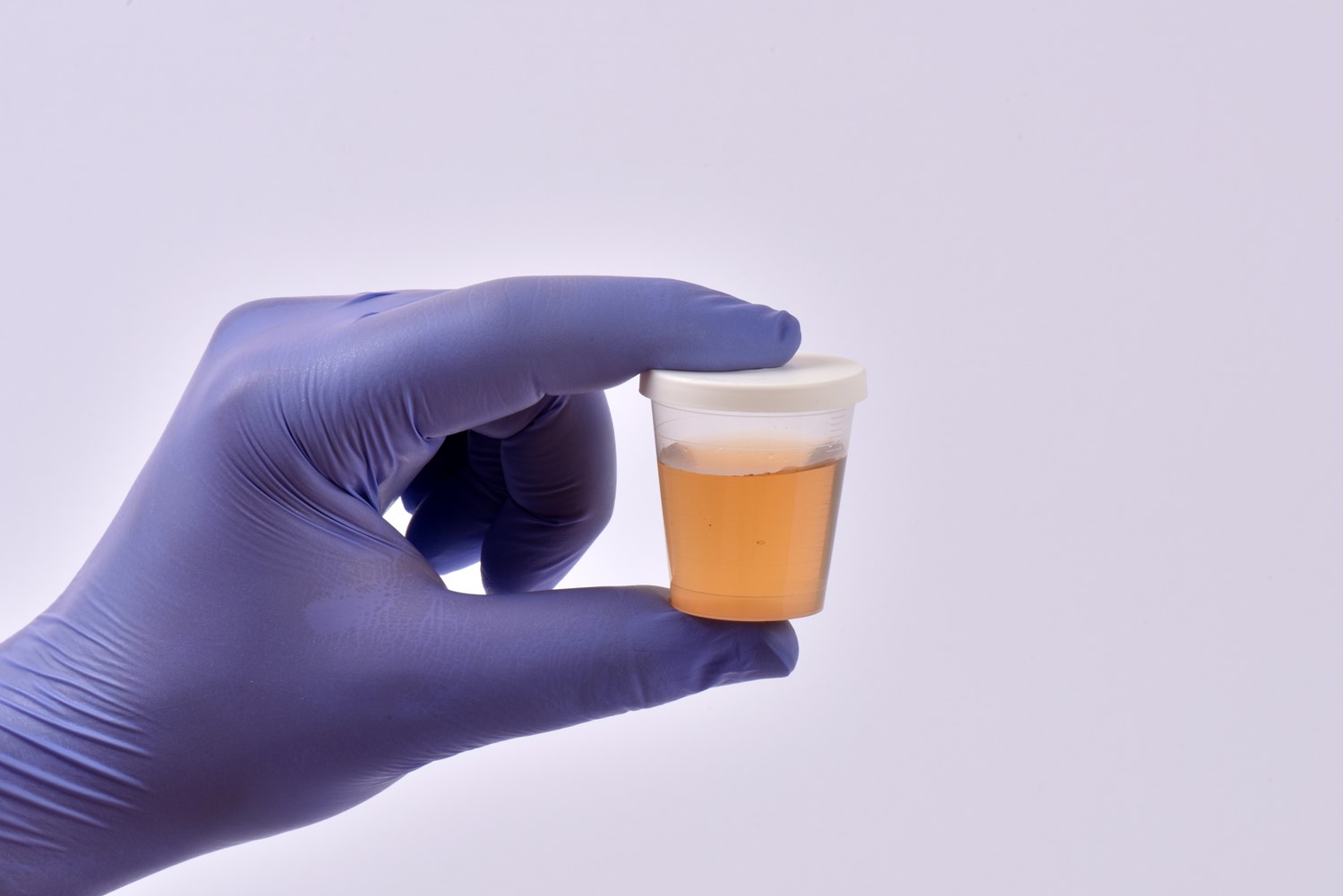
Women's health
Recurrent cystitis in women
Some women have recurring bouts of cystitis, sometimes defined as two proven infections within six months, or three infections in a year.
by Dr Toni Hazell, FRCGP
Women's health
Interstitial cystitis
Interstitial cystitis/painful bladder syndrome is very common in women. It can cause many different symptoms including pain over your bladder and needing to pass urine more often. There are many different treatments for this condition and many women actually need more than one treatment to improve their symptoms.
by Dr Colin Tidy, MRCGP
Frequently asked questions
What is strangury?
Strangury is the term used to describe the urgent and severe feeling to pass urine, which may not go away even after you have already passed urine. It is a common symptom of cystitis.
Why are women more prone to cystitis than men?
Women are more likely to get cystitis because their urethra, the tube that carries urine from the bladder, is shorter than a man's. It also opens closer to the anus, which makes it easier for bacteria to enter the bladder and cause an infection.
What happens if cystitis doesn't improve with antibiotics?
If your symptoms don't get better after taking antibiotics, or if they return quickly, your doctor or nurse may ask for a midstream urine sample to be sent to a lab. This helps to confirm the diagnosis and find out which specific germ is causing the infection, as some bacteria can be resistant to certain antibiotics. You may need to try an alternative antibiotic.
What are the common antibiotics prescribed for cystitis?
A common treatment for most women is a three-day course of antibiotics, typically either trimethoprim or nitrofurantoin. Symptoms usually start to improve within a day or so after beginning treatment.
When should I seek medical attention for cystitis symptoms?
You should see your doctor if your symptoms worsen, or if you develop a fever or pain in your loin (the area on your back between your ribs and hips). It's also important to see a doctor if your symptoms don't improve by the end of your antibiotic course, or if they return within two weeks of finishing the antibiotics. Always seek treatment if you are pregnant or have other medical conditions to prevent complications.
Further reading and references
- O'Kane DB, Dave SK, Gore N, et al; Urinary alkalisation for symptomatic uncomplicated urinary tract infection in women. Cochrane Database Syst Rev. 2016 Apr 19;4:CD010745. doi: 10.1002/14651858.CD010745.pub2.
- Urological infections; European Association of Urology (2022 -updated 2024)
- Urinary tract infection (lower) - women; NICE CKS, February 2025 (UK access only)
- Warzecha D, Pietrzak B, Urban A, et al; How to avoid drug resistance during treatment and prevention of urinary tract infections. Prz Menopauzalny. 2021 Dec;20(4):217-221. doi: 10.5114/pm.2021.111715. Epub 2021 Dec 9.
- Gbinigie OA, Tonkin-Crine S, Butler CC, et al; Non-antibiotic treatment of acute urinary tract infection in primary care: a qualitative study. Br J Gen Pract. 2022 Mar 31;72(717):e252-e260. doi: 10.3399/BJGP.2021.0603. Print 2022 Apr.
About the authorView full bio

Dr Hayley Willacy, FRCGP
General Practitioner, Medical Author
MBChB (1992), DRCOG, DFFP, MRCOG (Part 1) MRCGP (2007), DFSRH (2013), MSc - medical education (2020)
Dr Hayley Willacy was an NHS GP working in northwest England, who retired from clinical practice in 2022 after 30 years.
About the reviewerView full bio

Dr Colin Tidy, MRCGP
General Practitioner, Medical Author
MBBS, MRCGP, MRCP (Paediatrics), DCH
Dr Colin Tidy is an NHS Doctor, based in Oxfordshire.
Article history
Article also available in English, German, Spanish, French, Italian, Portuguese, Hindi, Hebrew, Arabic, and Swedish.
Next review due: 12 May 2028
15 Jun 2023 | Latest version
Join the conversation
Share your thoughts or experiences with others in our patient communities.

Ask, share, connect.
Browse discussions, ask questions, and share experiences across hundreds of health topics.

Feeling unwell?
Assess your symptoms online for free
Sign up to the Patient newsletter
Your weekly dose of clear, trustworthy health advice - written to help you feel informed, confident and in control.
By subscribing you accept our Privacy Policy. You can unsubscribe at any time. We never sell your data.
More in women's health
- Alternatives to HRT for menopause symptoms
- Breast cancer facts and risk factors
- Condoms for women
- Contraception methods
- Contraceptive injection
- Endometrial biopsy
- Endometrial hyperplasia
- How to delay a period
- Indigestion and acid reflux in pregnancy
- Intrauterine contraceptive device
- Lower urinary tract symptoms in women
- Menopause
- Miscarriage and bleeding in early pregnancy
- Newborn bloodspot test
- Pelvic inflammatory disease
- Postpartum endometritis
- Right lower quadrant pain in pregnancy
- Urge incontinence
- Urinary incontinence
- Vulval intraepithelial neoplasia