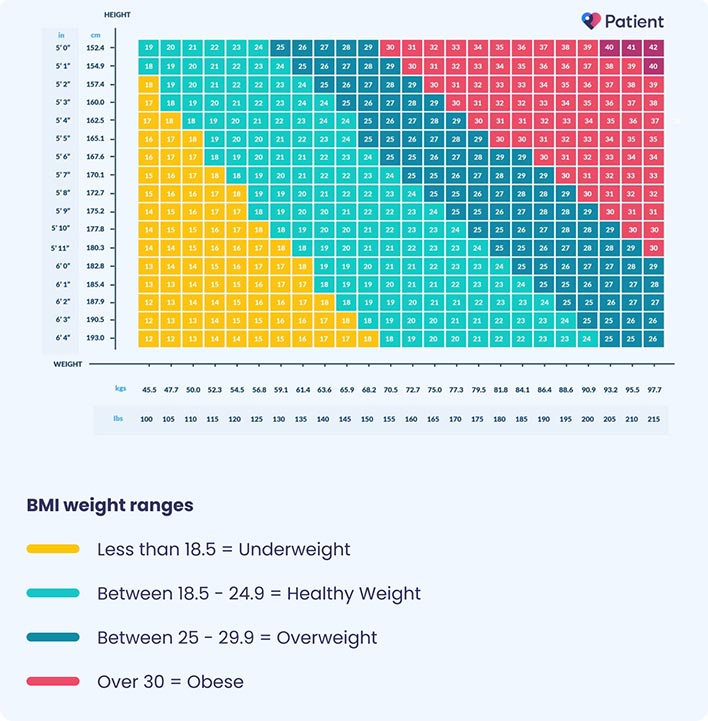
האם אפשר לסמוך על טבלאות BMI לילדים?
נבדק על ידי ד"ר שרה ג'רוויסעודכן לאחרונה על ידי Kerry Taylor-Smithעודכן לאחרונה 21 Aug 2019
עומד בהנחיות העריכה של Patient
- הורדהורד
- שתף
- Language
- דיון
- גרסת שמע
- הוסף למקורות מועדפים בגוגל
Obesity is an ever-increasing problem in the UK, where it is estimated that one in five children aged between 4 and 5 years are overweight or obese, rising to one in three by the time they are aged 10-11 years.

These figures result from the National Child Measurement Programme (NCMP), which assesses how children are growing. Children are measured in their reception year (aged 4-5 years) and again in year 6 (aged 10-11 years). Healthcare professionals record their height and weight, as well as age and gender, to determine their body mass index, or BMI.
BMI is a relatively straightforward and convenient means of assessing someone's weight to determine if they are within a healthy range. It's calculated by dividing a person's body mass in kilograms by their height squared.
What do the numbers mean?
For adults, a figure between 18.5 and 24.9 is considered a healthy weight. For children, their BMI is expressed as a centile and compares their value to other children who took part in the NCMP.
Children are considered underweight if they fall on the second centile or below, a healthy weight if they fall between the second and 91st centile, and overweight if they are on the 91st centile or above. Children on the 98th centile or above are considered very overweight.
What this means is that, for example, if your child falls on the 57th centile, they are heavier than 57 out of 100 children of the same age and gender, and that they are a healthy weight.
The limitations of BMI
But BMI is not without its limitations. "It's a reasonable measure - but not entirely accurate. If you are super fit and have a lot more muscle than average, for example, you may be classed as overweight or obese," explains Dr Sally Norton, an NHS weight loss consultant. "And young children naturally have different body compositions to adults, so standard BMI measurement can be inaccurate and should be age-adjusted as appropriate."
"BMI can provide inaccurate assessment of body fat levels, particularly in children, for several reasons," adds Mohammed Hudda, a Research Fellow in Epidemiology and Medical Statistics at St George's, University of London. "Firstly, as it is based on weight, it does not discriminate between the two components of weight: fat and lean mass, which can vary substantially between individuals with the same BMI.
"Secondly, the calculation can result in taller children having a higher BMI," continues the British Heart Foundation-funded researcher.
In addition, research shows BMI is not a good measure of body fat in children of different ethnic origins, overestimating it in children of black African descent, and underestimating it in children of South Asian origins, compared to their white peers.
Hudda's research focuses on finding better ways of using weight and height as a measure of body fat in children. Initially, it aimed to improve the assessment of body fat in children of different ethnic origins by making BMI adjustments in these children compared to white Europeans.
"However, this approach does not tackle the other limitations of BMI," states Hudda. "Our most recent research proposes an alternative method for assessing body fat in British children aged 4-15, based primarily on height and weight measurements."
Hudda's team derived an equation which uses height, weight, sex, age and ethnicity (if available) to estimate lean mass, which can be subtracted from weight to estimate fat mass; testing showed that it estimated fat levels very accurately.
"This approach could improve the accuracy of assessments for body fat in children, compared with those provided by BMI, to allow for more effective surveillance, prevention and management of childhood obesity," says Hudda.
How other methods measure up
When measuring an adult's BMI, their waist circumference can be taken into account as it is a good way of checking a person is not carrying too much fat around their stomach (this so-called 'intra-abdominal fat' is far more dangerous to your health than other types of fat). But this measurement is not routinely taken in children as it doesn't consider the child's height. However, it is a measurement that varies with obesity and can point towards cardiovascular disease risk in children.
Researchers from the University of Wolverhampton have trialled a new measurement index which combines height, weight and waist circumference to give a simple, meaningful and more accurate index related to percentage body fat.
"BMI has historically been used to assess weight status, although it underestimates the extent of the obesity prevalence," states lead researcher and biostatistics specialist Professor Alan Nevill.
"A move to incorporate measures of waist circumference into BMI is logical, as measures of centralised obesity are likely to increase the ability and sensitivity of BMI in detecting cardiovascular and cardiometabolic disease."
Nevill, who is Professor of Sport at the university, and his colleagues have assessed nearly 6,000 children with their proposed index and published their findings ב Pediatric Obesity. Work is now underway to see if it is as equally effective in adults.
BMI is a widely used tool to estimate the amount of weight a child is carrying compared to their height; for the majority of children it works very well and feeding your child's height and mass into a BMI centile chart, comparing them with others of their age and sex, will give a rough idea of whether they are a healthy weight.
If you are concerned about your child's weight, a trip to the GP will help determine what action may be necessary.
Norton also has this advice: "You obviously don't want to make an issue of it. Instead, see it as an opportunity to improve the whole family's lifestyle and lead by example. Cutting back on sugar; drinking water at every meal and avoiding fizzy drinks; choosing healthier alternatives to favourite junk food; cutting down on snacking and making family activity part of your life are all great ways to start. And don't underestimate the value of good sleep - it has a big impact on health and weight. Ban electronic devices (phones, laptops and tablets) for at least two hours before bed, keep them out of bedrooms and make sure children keep a good sleep routine."
בחירות המטופלים עבור השמנת יתר וירידה במשקל
חיים בריאים
האם פילאטיס טוב לירידה במשקל?
פילאטיס ידוע ביכולתו לשפר את כוח הגוף, הגמישות והסיבולת. עם זאת, כמו כל פעילות גופנית, הוא יכול להיות יעיל גם לירידה במשקל. המפתח לשימוש בפילאטיס לירידה במשקל הוא לתרגל באופן קבוע ולתמוך בפעילות זו עם תזונה מאוזנת ומזינה שמאפשרת ליצור גרעון קלורי בריא.
מאת אמברלי דייוויס

חיים בריאים
איך להוריד את ה-BMI שלך ולרדת במשקל בצורה בריאה
People who are carrying around extra weight increase their risks of many conditions, including type 2 diabetes, heart disease, osteoarthritis and cancer. But how do you lower your BMI and lose weight healthily?
מאת אמברלי דייוויס
שאלות נפוצות
מדוע חשוב להשתמש ב-BMI מותאם גיל עבור ילדים?
מדידות BMI סטנדרטיות למבוגרים יכולות להיות לא מדויקות עבור ילדים מכיוון שהרכב הגוף שלהם שונה באופן טבעי מזה של מבוגרים. שימוש במדידות מותאמות לגיל עוזר לקחת בחשבון את ההבדלים הללו, ומספק הערכה מתאימה יותר עבור צעירים.
האם מסת שריר גבוהה יכולה להשפיע על תוצאת ה-BMI של ילד?
כן, אם ילד מאוד פעיל או שרירי, ה-BMI שלהם עשוי להצביע על כך שהם בעודף משקל או אפילו בעודף משקל משמעותי, אפילו אם יש להם אחוז שומן גוף נמוך. זאת מכיוון ש-BMI אינו מבחין בין שומן למסת שריר רזה.
מדוע ייתכן שלילדים ממוצאים אתניים שונים יהיו הערכות BMI שונות?
מחקרים מצביעים על כך ש-BMI עשוי לא להיות מדד מדויק באותה מידה לשומן גוף בקרב מוצאים אתניים שונים. הוא יכול להעריך יתר על המידה את שומן הגוף אצל ילדים ממוצא אפריקאי שחור ולהעריך אותו בחסר אצל ילדים ממוצא דרום אסיאתי בהשוואה לעמיתיהם הלבנים.
האם מפותחות שיטות חדשות להערכת שומן גוף בילדים בצורה מדויקת יותר מ-BMI?
כן, חוקרים מפתחים שיטות חלופיות. לדוגמה, גישה אחת כוללת שימוש בגובה, משקל, מין, גיל ואתניות כדי להעריך את מסת הגוף הרזה, אשר לאחר מכן מופחתת מהמשקל הכולל כדי להעריך את מסת השומן. שיטה נוספת משלבת גובה, משקל והיקף מותניים כדי ליצור מדד מדויק יותר הקשור לאחוזי שומן בגוף, אשר נמצא בניסוי.
מהי החשיבות של היקף המותניים בהערכת שומן הגוף?
במבוגרים, היקף המותניים הוא מדד טוב ל'שומן תוך-בטני', הנחשב למסוכן יותר לבריאות מאשר סוגי שומן אחרים. למרות שלא נמדד באופן שגרתי בילדים כי הוא לא מתחשב בגובה, זהו מדד שיכול להשתנות עם השמנת יתר ויכול להצביע על סיכון למחלות לב וכלי דם בילדים.
אודות המחברצפה בפרופיל המלא

קרי טיילור-סמית
עיתונאי עצמאי
תואר ראשון (בהצטיינות) במדעי הטבע
קרי היא כותבת, עורכת ומגיהה עצמאית מאז 2016; היא מתמחה בנושאים הקשורים למדע ובריאות.
אודות המבקרצפה בפרופיל המלא

Dr Sarah Jarvis
יועץ קליני
MA (Cantab), BM, BCh (Oxon), DRCOG, FRCGP, MBE
לאחר הכשרה ברפואה בקיימברידג' ואוקספורד, ד"ר שרה ג'רוויס MBE הפכה לרופאת משפחה.
היסטוריית המאמר
המידע בעמוד זה נבדק על ידי קלינאים מוסמכים.
המאמר זמין גם ב אנגלית, גרמנית, ספרדית, צרפתית, איטלקית, פורטוגזית, הינדי, עברית, ערבית, and שוודית.
21 Aug 2019 | הגרסה האחרונה

שאלו, שתפו, התחברו.
עיין בדיונים, שאל שאלות ושתף חוויות במאות נושאים בריאותיים.

מרגיש לא טוב?
הערך את הסימפטומים שלך באינטרנט בחינם
הירשמו לניוזלטר של פיישנט
המנה השבועית שלך של עצות בריאות ברורות ואמינות - נכתבה כדי לעזור לך להרגיש מעודכן, בטוח ובשליטה.
על ידי הרשמה אתה מקבל את שלנו מדיניות הפרטיות שלנו. באפשרותך לבטל את המנוי בכל עת. לעולם לא נמכור את הנתונים שלך.
עוד בנושא חיים בריאים
- מדריך לציוד כושר ביתי חיוני
- האם נמנום נחשב לשינה?
- דרכים מהנות לשמור על כושר מבלי לשים לב
- כיצד להקל על בעיות השינה שלך בגיל המעבר
- איך להתגבר על חרדה מהכושר
- איך להתגבר על הפחד מפני פעילות גופנית
- איך לשמור על שגרת הריצה שלך בחורף
- איך להפסיק לעשן במהלך ההריון
- כיצד לזהות את הסימנים להתמכרות לפעילות גופנית
- איך לדבר עם הילדים שלך על מין, פורנוגרפיה ומערכות יחסים בריאות
- האם עצב הוואגוס הוא המפתח לבריאות הנפשית שלנו?
- האם הורים צריכים לדאוג מ'טביעה יבשה'?
- השפעת השעמום על הבריאות שלנו
- השפעת מצבי עור על בריאות הנפש
- האמת על עישון אלקטרוני
- מהם היתרונות של ויתור על אלכוהול?
- מה עישון עושה ללב שלך?
- מהי ייעוץ ממוקד באדם?
- מדוע אנו מוצאים נחמה בצפייה חוזרת בסרטים האהובים עלינו?