
Cold & flu season
Cold & flu information
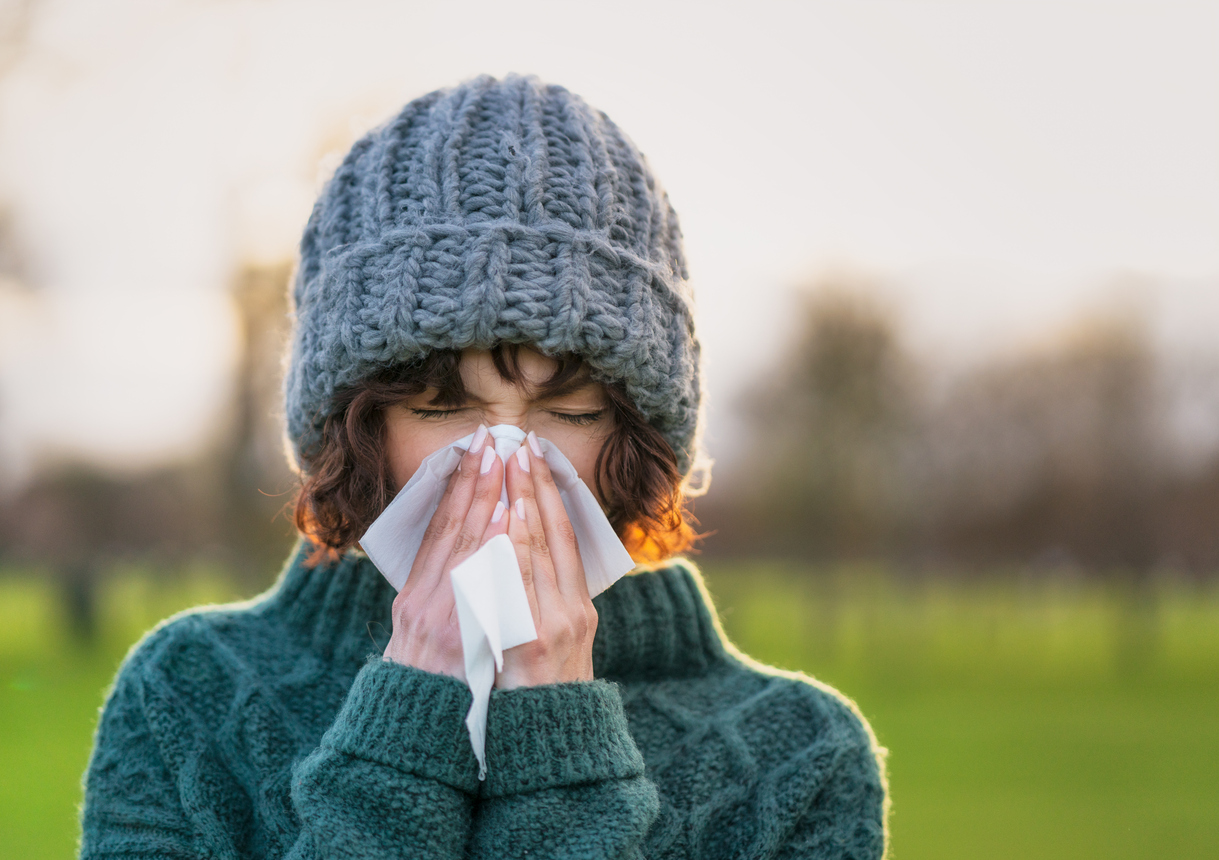
Every winter, there's an outbreak of cold and flu. For most of us, this means the same old symptoms: runny nose, sore throat, congestion, coughing and sneezing. However, it may be more serious when it comes to flu, especially for at risk groups. To help you stay healthy and informed this winter, we've set up this dedicated hub, covering the latest expert advice on cold and flu prevention, symptom management, and when to see a doctor.
Cold & flu information
Cold and flu share many things in common - they're both viral infections that mainly affect the sinuses and respiratory system. They also flare up in the colder months and spread to other people through coughing and sneezing.
However, the common cold is caused by many different viruses, which is why there’s no vaccination for it. The flu, on the other hand, is caused specifically by the influenza virus and causes more severe symptoms including body aches, breathing difficulties, and fever. If not properly managed, more serious complications may also arise.

זיהומים
שפעת
מאת ד"ר דאג מקקנזי, MRCGP
זיהומים
הצטננות
מאת ד"ר פיליפה וינסנט, MRCGP
זיהומים
האם זו שפעת או סתם הצטננות?
מאת קרי טיילור-סמית

חזה וריאות
האם כדאי ללכת לעבודה כשיש לך הצטננות?
מאת אבי מילר
מניעה
The best chance of avoiding the flu is to get vaccinated. The flu vaccine is available to people over 65 in the UK, as well as young children, pregnant women, and other vulnerable groups.
Deaths from the common cold are incredibly rare, but every year tens of thousands of people die from the flu, mostly during the winter. That's why it's so important to get vaccinated - not just to protect yourself, but to prevent flu from spreading too.
Find out where and how to book your flu jab in the articles below, as well as practical tips for avoiding both cold and flu.

זיהומים
חיסון לשפעת
מאת ד"ר דאג מקקנזי, MRCGP

זיהומים
למה כדאי לשקול את חיסון השפעת
מאת ד"ר לורנס קנוט

זיהומים
איפה לקבל את חיסון השפעת שלך השנה
מאת אנדראה דאוני

זיהומים
Can I have the flu jab if ...?
מאת מילי אוונס
תסמינים
The most common symptoms of cold and flu are congestion, feeling tired, coughing, sneezing, runny nose, sore throat, and high temperature. With flu, symptoms are more severe and often include body aches, night sweats, shivers (rigors), and nausea too.
You'll likely require bedrest and time off work until the symptoms pass. In the case of both cold and flu, the worst of the symptoms may only last 2-3 days, and most people recover completely within a week.
For a deeper dive into your symptoms, read our selection of GP-authored articles below.

סימנים ותסמינים
חום
מאת ד"ר קולין טיידי, MRCGP

חזה וריאות
שיעול
מאת ד"ר פיליפה וינסנט, MRCGP

אוזן, אף וגרון
כאב גרון
מאת ד"ר רייצ'ל הדסון, MRCGP

אוזן, אף וגרון
נזלת מתמשכת
מאת ד"ר דאג מקקנזי, MRCGP
Treatment & management
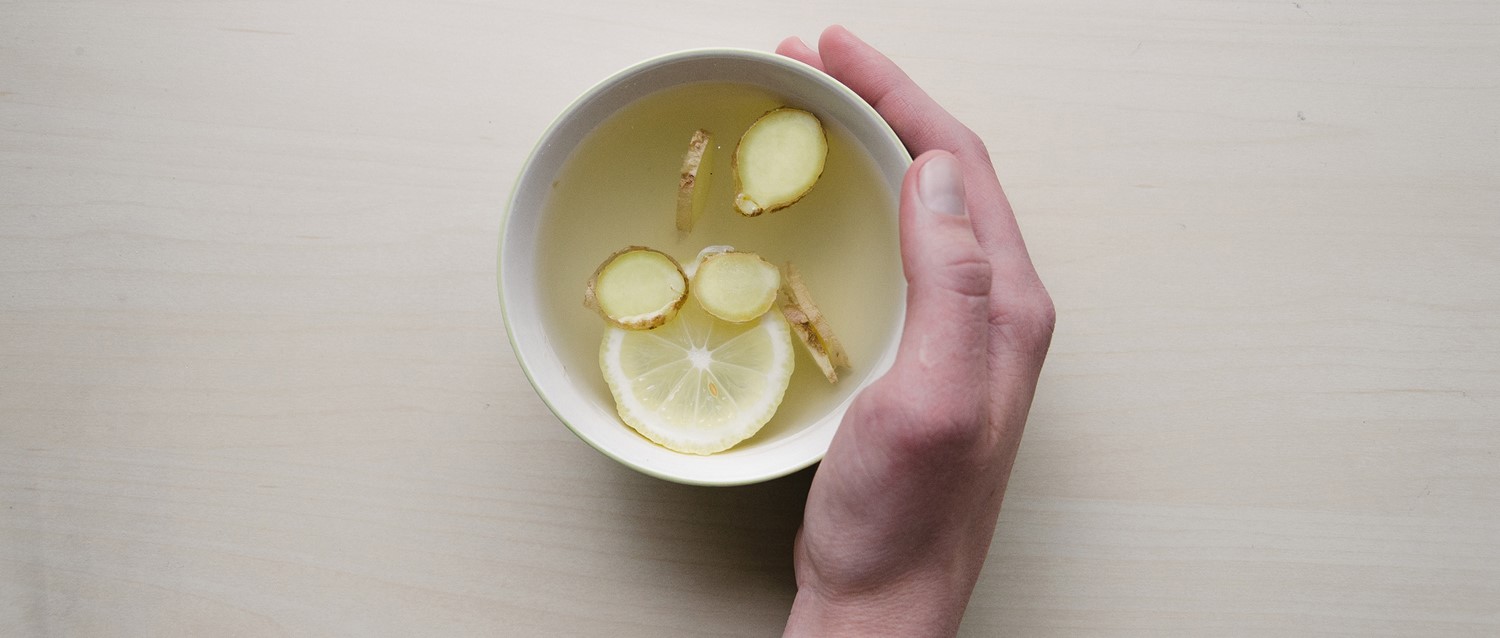
Your immune system will normally clear the viruses that cause cold and flu by itself, but there are a range of over-the-counter and prescription medicines (and even home remedies) that help alleviate symptoms.
Paracetamol and ibuprofen will lower a temperature, while lozenges or cough medicines sooth a sore throat. If the infection is severe enough, you may be prescribed antiviral medications like oseltamivir or zanamivir to reduce the risk of complications.

זיהומים
מתי לפנות לטיפול רפואי עבור שפעת
מאת אלי אנדרסון

זיהומים
כיצד לנהל את תסמיני השפעת בבית
מאת אנדראה דאוני

זיהומים
Do any natural cold remedies work?
מאת לין סטיבן

זיהומים
האם לכסניות אבץ יכולות להגן מפני שיעול, הצטננות, שפעת וקורונה?
מאת אמברלי דייוויס
FAQs
Our goal is to give you clear, trusted clinical information to make informed decision about your health. So whether it's busting a myth, correcting a misconception, or answering a question you've always had about cold and flu, we hope you'll find what you need here.

בריאות כללית ואורח חיים
מהי מחלת שינוי מזג האוויר?
מאת לין סטיבן

זיהומים
Why do some people get worse colds than others?
מאת ג'וליאן טרנר

COVID-19
האם זה COVID-19 או שפעת החורף הזה?
מאת לורנס היגינס

אוזן, אף וגרון
מתי לדאוג לגבי כאב גרון
מאת ויקטוריה ראו