מה לארוז לשהייה בבית חולים
נבדק על ידי Dr Krishna Vakharia, MRCGPעודכן לאחרונה על ידי Victoria Rawעודכן לאחרונה 6 Jan 2025
עומד בהנחיות העריכה של Patient
- הורדהורד
- שתף
- Language
- דיון
- Ask Patient
- גרסת שמע
- הוסף למקורות מועדפים בגוגל
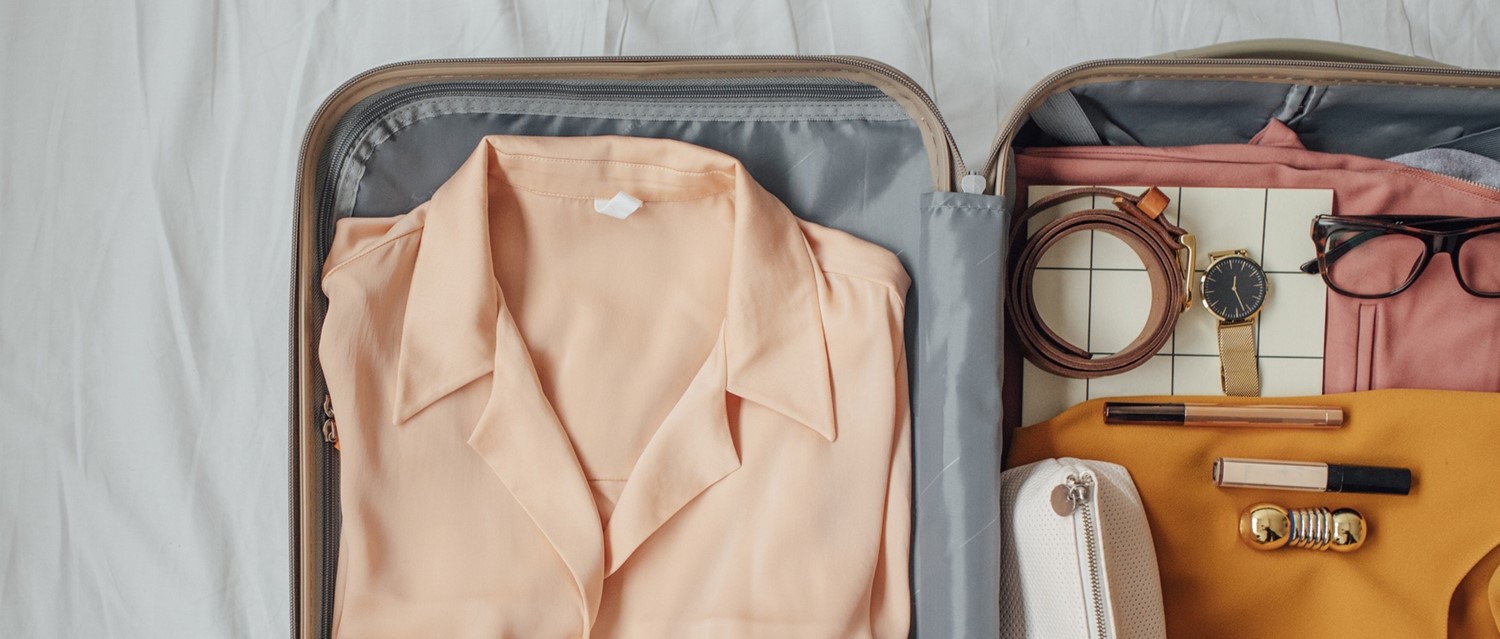
המחשבה על שהייה בבית חולים יכולה לעיתים להרגיש מכבידה - אפילו בלי הדילמה הנוספת של לדעת מה לקחת איתך. הכנו רשימת בדיקה שימושית של פריטים חיוניים שיעזרו לך לארוז את כל מה שאתה צריך לשהייה בבית חולים.
בחירות וידאו עבור בריאותספריית סרטונים
Whether you have an underlying condition - which means you're often visiting a ward - you're going to hospital unexpectedly, or someone close to you needs hospital care, it's a good idea to know what to pack.
Dr Deborah Lee, Dr Fox Online Pharmacy says: "Patients in hospital frequently have to be moved from one ward to another, and often in a hurry. When this happens, all your things will need to be moved with you, so you need to be packed up and transported quickly and easily. The key is to have as few belongings as possible."
When deciding what to take into hospital you should be selective. Only take things with you that you really need.
Lee explains some conditions may require a hospital visit at short notice, so it's better to be prepared.
"Some medical conditions happen suddenly, without warning. You could suddenly become drowsy, unable to communicate, or unconscious," she says. "You may have episodes of confusion, and when this happens, you cannot think clearly.
"You could be dealing with severe, acute allergic reactions - for example, a severe nut allergy. If you suddenly have life-threatening symptoms, such as facial or tongue swelling, wheezing and breathlessness, you will not be in a fit state to pack a bag."
Hospital bag checklist
Lee says when you're deciding what to take into hospital you need to be elective. Only take things with you that you really need.
Your checklist should include:
Medicine - and your repeat prescription list.
Personal care items including toiletries and sanitary items.
Your toothbrush and toothpaste.
Your glasses or contact lenses.
Contact details of your next of kin.
Night clothes, socks, and other clothing, including several changes of underwear.
Sleep mask and earplugs.
Mobile phone and charger.
Snacks and change for the vending machine.
Medicine - pack all your current medicines, including:
Inhalers.
Your contraceptive pill.
Any natural or herbal remedies you use.
List of your current medicines.
Repeat prescriptions.
A written list of any allergies.
Any medical-alert ID bracelets - or similar.
"The repeat prescription list from your doctor's surgery is helpful as it lists all the drugs you are taking, formulations, doses, and timings," she adds.
Apps such as Patient Access can help by keeping all your health information safely stored on your phone and easily accessible.
Personal care - look after your personal hygiene by packing toiletries and any other essentials.
This should include little bottles of:
Shampoo.
Conditioner.
Body wash.
Sponge or flannel.
It's a good idea to pack moisturiser.
Hairbrush or comb.
A nail file.
Box of tissues.
Here’s a list of other essential items:
Deodorant.
Tampons, sanitary pads and incontinence pads if needed.
Your glasses or contact lenses.
Toothbrush and toothpaste.
Denture supplies or mouthguard if needed.
Lee adds that you should also remove nail polish before going into hospital. But if you don't have time you could take nail polish remover with you.
Lee advises that you will want to be comfortable while in hospital so you should take a set of pyjamas or night wear that is easy to get on and off. A second spare set is also a good idea, plus slippers or socks so your feet don't get cold.
Hospitals are often bright and noisy places, so you may want to pack a sleep mask and earplugs so you can get a good night's rest.
And don't forget to pack several changes of underwear and a plastic bag to put your dirty ones in.
Hospitals are keen to get people out of bed and sitting up and dressed as soon as possible. This has been driven by the hugely successful End PJ Paralysis campaign, which highlighted how quickly older people in particular could lose muscle strength and mass when confined to bed.
So if you're going to be in hospital for more than a couple of days, you'll need more than one set of daytime clothes.
Other things to remember:
Credit card
"It's a good idea to leave your purse behind when you go into hospital," says Lee. "Instead take one credit or debit card in a small purse, for any transactions - for example, if you choose to pay for the TV by your bed."
Change
Lee adds: "Take a handful of change for the vending machines or hospital shop. You could take a few snacks - things that are non-perishable which you can keep by the bedside if you get peckish."
Charger
You'll also need your mobile phone charger so you can stay in contact with friends and family during your stay.
Planning for a baby
If you're going into hospital to have a baby you'll need some extra bits.
Lee's list of things to remember if you're going on to a maternity ward:
Baby bag - containing newborn nappies, baby wipes, baby grows or sleepsuits, cardigans, bibs, muslins, small baby blanket.
Breast pads.
Nursing bras.
Maximum-strength sanitary towels.
Baby car seat - you can't take your baby home without a suitable car seat which meets European safety standards and is correctly fitted.
Camera - and the charger.
Packing for someone else
If a hospital visit is unplanned, it's likely that the patient will need their bag packed for them.
"If you need to pack for someone else in a hurry, focus on the personal care and toiletry items listed above," says Lee. "This especially includes things like the toothbrush and some basic nightwear. The mobile phone, the charger and some small change are also handy.
"If you know the details of the person's doctor, bring those along. The staff will be able to contact the doctor's surgery and find out about medicine and allergies as is needed."
Nice-to-haves
The above lists are things that should be remembered when packing a hospital bag. However, there are a few other things that are nice to have but not essential.
This includes items to save you from boredom during your stay, such as magazines, books, Kindles, laptops and headphones for listening to music.
You may also want a pen and notepad, extra drinks and snacks, and your own pillow.
בחירות המטופלים עבור בריאות

בריאות כללית ואורח חיים
מה לעשות אם אתה מודאג מבריאותו של אדם אהוב
The most surprising people bury their heads in the sand where their health is concerned. They may be hoping it will all go away; or terrified of hearing bad news; or kidding themselves there's nothing wrong. So how do you help a loved one who seems to be in denial?
מאת ד"ר שרה ג'רוויס
בריאות כללית ואורח חיים
בדיקות בריאות שניתן לבצע בבית
זה חשוב כמו תמיד שכולנו נפנה לייעוץ רפואי אם יש לנו תסמינים מדאיגים. אבל גם אם אתם מרגישים בכושר ובריאים, יש הרבה בדיקות בריאות שתוכלו לעשות בבית כדי לעקוב אחר בריאותכם הכללית ולזהות תסמינים מדאיגים מוקדם.
מאת גיליאן הארווי
אודות המחבר
עודכן על ידי

Victoria Raw
כותב תכנים
תואר ראשון (בהצטיינות), ספרות אנגלית
ויקטוריה היא כותבת תוכן ב-Patient, ותחומי העניין המיוחדים שלה כוללים רווחה נפשית, מגמות חברתיות והשפעת הטכנולוגיה על בריאותנו.
נכתב על ידי

Andrea Downey
אודות המבקרצפה בפרופיל המלא

Dr Krishna Vakharia, MRCGP
קצין רפואה ראשי לבריאות, Optum UK
MBChB, MRCGP(2013), BMedSci (hons), DFSRH, DRCOG, PGDipDerm (Distn)
ד"ר קרישנה וקאריה היא רופאת משפחה ב-NHS. היא גם בוחנת קבועה לדיפלומה לתואר שני בדרמטולוגיה מעשית באוניברסיטת קרדיף וכן משמשת כקצינת הרפואה הראשית לבריאות ב-Optum UK.
שתפו את מחשבותיכם או חוויותיכם עם אחרים ב קהילות המטופלים שלנו.
הירשמו לניוזלטר של פיישנט
המנה השבועית שלך של עצות בריאות ברורות ואמינות - נכתבה כדי לעזור לך להרגיש מעודכן, בטוח ובשליטה.
על ידי הרשמה אתה מקבל את שלנו מדיניות הפרטיות שלנו. באפשרותך לבטל את המנוי בכל עת. לעולם לא נמכור את הנתונים שלך.