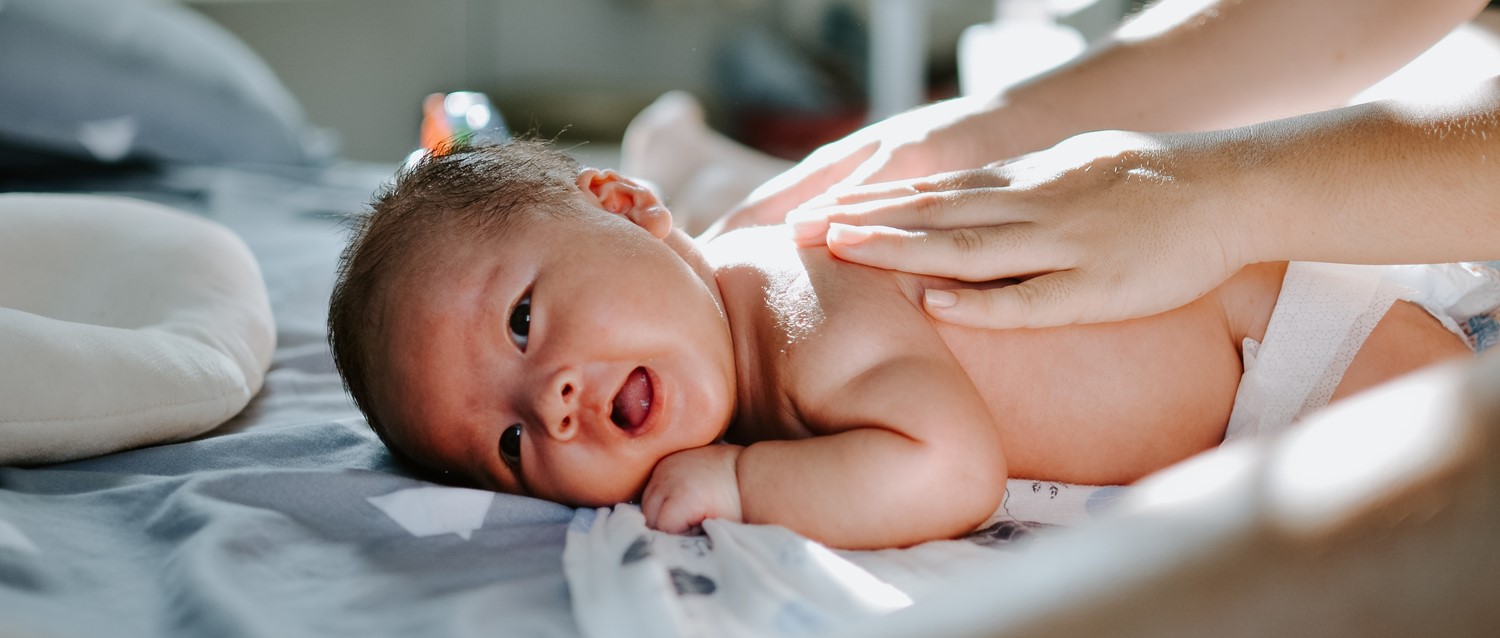
לתינוקות שנולדו בניתוח קיסרי יש חיידקי מעיים שונים מאלה שנולדו בלידה וגינלית
נבדק על ידי Natalie Healeyנכתב על ידי Milly Evansפורסם במקור 19 Sept 2019
עומד בהנחיות העריכה של Patient
- הורדהורד
- שתף
- Language
- דיון
- Ask Patient
- גרסת שמע
- הוסף למקורות מועדפים בגוגל
A new study has found that the method of delivery affects the bacteria in a baby's gut, although the impact of these findings is currently unknown.
הירשמו לקורס ההריון הבריא שלנו בחינם למשך 8 שבועות!
בכל שבוע נשתף מידע שימושי וטיפים חיוניים בנושאים כמו תזונה, פעילות גופנית, בריאות נפשית, תסמינים שכדאי לשים לב אליהם והכנה ללידה, כדי לעזור לך לנווט במסע ההריון שלך בכל שלב שבו את נמצאת.
על ידי הרשמה אתה מקבל את שלנו מדיניות הפרטיות שלנו. באפשרותך לבטל את המנוי בכל עת. לעולם לא נמכור את הנתונים שלך.
בחירות וידאו עבור לידה וציריםספריית סרטונים
The research, published in טבע, found that babies who are born vaginally have different gut bacteria, called the microbiome, than babies delivered by ניתוח קיסרי.
Babies born by caesarean carried more bacteria associated with the hospital in their guts, whereas babies born vaginally got most of their gut bacteria from their mother.
Currently, the researchers don't know what the impact of the gut microbiome at birth has on future health. הקולג' המלכותי למיילדות וגינקולוגיה (RCOG) has said that the findings should not deter women from caesarean births.
The gut microbiome is thought to be important for the development of the מערכת חיסונית but there is currently little research into how gut bacteria develop and change in the early stages of life. There is some evidence to show that not exposing a child to the right microbes in childhood could contribute to the development of autoimmune diseases like אסתמה, אלרגיות ו סוכרת.
"The first weeks of life are a critical window of development of the baby's immune system, but we know very little about it," said Principal Investigator of the Baby Biome Study, Professor Peter Brocklehurst, of the University of Birmingham. "We urgently need to follow up this study, looking at these babies as they grow, to see if early differences in the microbiome lead to any health issues. Further studies will help us understand the role of gut bacteria in early life and could help us develop therapeutics to create a healthy microbiome."
The researchers studied gut bacteria from faecal (poo) samples from nearly 600 babies and 175 mothers. They found that the gut bacteria found in vaginally delivered babies actually came from the mother's gut rather than her vaginal bacteria. Babies delivered by caesarean section carried more bacteria associated with a hospital environment.
Some babies are swabbed with vaginal bacteria from the mother after a caesarean section as previous studies suggested that vaginal bacteria was swallowed by the baby on its way down the birth canal. However, these new findings highlight that this is likely of no benefit and could in fact be introducing harmful bacteria into the baby's gut.
Mothers who will be delivering by caesarean section are routinely offered antibiotics before the delivery to prevent them developing infections after the operation. The researchers believe that this could play a role in the microbiome of their babies.
Whilst babies born by caesarean section carry different bacteria in the early days of life, the differences in babies' gut microbiomes at birth do eventually level out, leading the researchers to question the overall impact of the findings on a child's future health.
"Our study showed that as the babies grow and take in bacteria when they feed and from everything around them, their gut microbiomes become more similar to each other," said Dr Nigel Field, a senior author on the paper from UCL.
"After they have been weaned, the microbiome differences between babies born via caesarean and delivered vaginally have mainly evened out. We don't yet know whether the initial differences we found will have any health implications."
Because there isn't yet further research into the impact of the baby microbiome, the RCOG has warned not to avoid caesarean sections as a result of the study.
Dr Alison Wright, Vice President of the RCOG, said: "In many cases, a caesarean is a life-saving procedure, and can be the right choice for a woman and her baby. The exact role of the microbiome in the newborn and what factors can change it are still uncertain, so we don't think this study should deter women from having a caesarean. This study shows that more research is required to improve our understanding of this important area."
This study was published in טבע.
בחירות המטופלים עבור לידה וצירים

הריון
האם מיינדפולנס עוזר במהלך ההריון והלידה?
If there is one universal truth about pregnancy and childbirth, it’s that they rarely go as planned. When I was pregnant with my second child, I took a tumble down the steps and landed myself in the hospital with pre-labour contractions.
מאת שרה לינדברג
הריון
מומחים חולקים על מחקר חדש המקשר בין לידות קיסריות לאוטיזם
סקירה חדשה של הראיות מצאה כי ניתוחים קיסריים קשורים לאוטיזם ולהפרעת קשב וריכוז. אך התוצאות מוטלות בספק על ידי קלינאים ומומחים שאומרים שניתוחים קיסריים אינם גורמים להפרעות התפתחותיות.
מאת מילי אוונס
אודות המחברצפה בפרופיל המלא
נכתב על ידי

מילי אוונס
עורך
מילי כותבת על מגוון נושאים בתחום הבריאות, עם עניין מיוחד באי שוויון בבריאות ובריאות מינית.
אודות המבקרצפה בפרופיל המלא

נטלי הילי
עיתונאי עצמאי
תואר ראשון (בהצטיינות) במדעי הביו-רפואה
היא עיתונאית בריאות המתגוררת בלונדון, שכותבת על מדע ורפואה במשך מספר שנים. היא הייתה ראש מחלקת העריכה ב-Patient.
שתפו את מחשבותיכם או חוויותיכם עם אחרים ב קהילות המטופלים שלנו.
הירשמו לניוזלטר של פיישנט
המנה השבועית שלך של עצות בריאות ברורות ואמינות - נכתבה כדי לעזור לך להרגיש מעודכן, בטוח ובשליטה.
על ידי הרשמה אתה מקבל את שלנו מדיניות הפרטיות שלנו. באפשרותך לבטל את המנוי בכל עת. לעולם לא נמכור את הנתונים שלך.