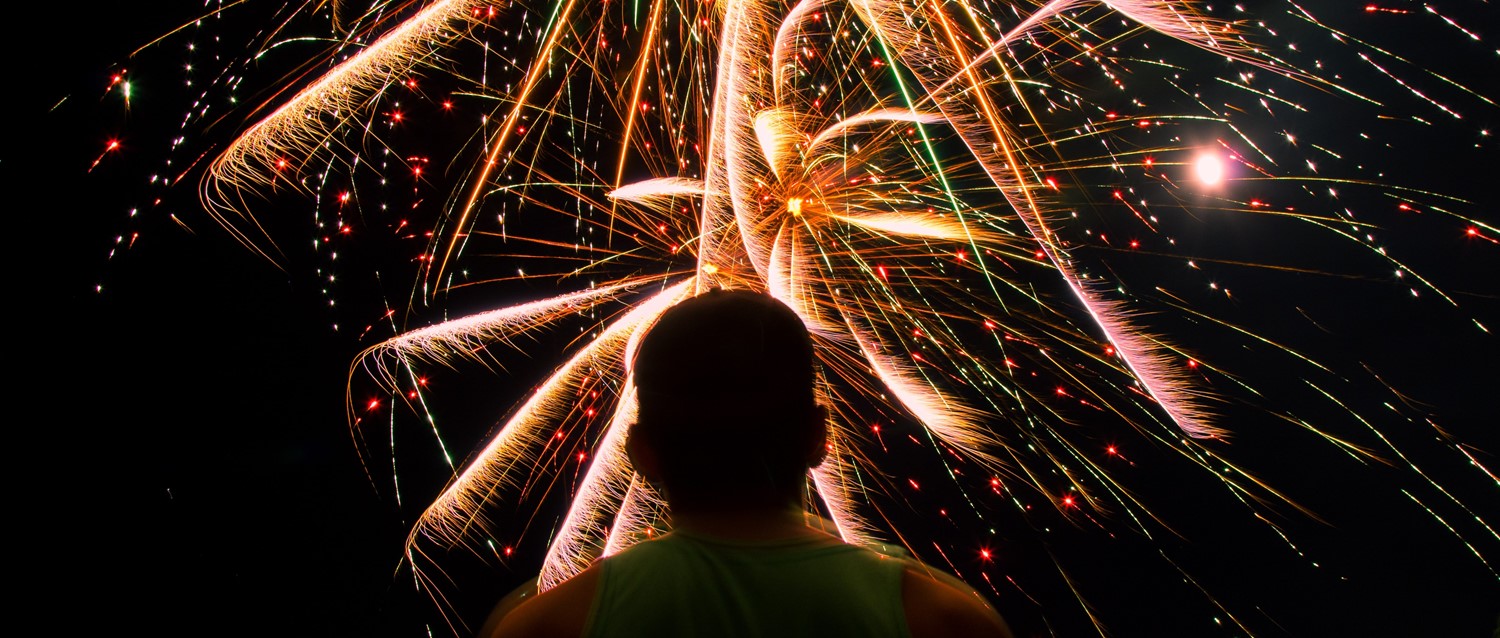
ניהול PTSD במהלך עונת הזיקוקים
נבדק על ידי Dr Krishna Vakharia, MRCGPעודכן לאחרונה על ידי לורנס היגינסעודכן לאחרונה 3 Nov 2023
עומד בהנחיות העריכה של Patient
- הורדהורד
- שתף
- Language
- דיון
- Ask Patient
- גרסת שמע
- הוסף למקורות מועדפים בגוגל
Fireworks displays can be beautiful to look at, but the loud noises they make can be triggering if someone has PTSD. Here we show how to manage your PTSD over the fireworks season and where to get support if you have experienced trauma in your past.
תמיכה בבריאות הנפש למבוגרים ולילדים
טיפול CBT מקוון וטיפול פסיכולוגי למבוגרים ולילדים בגילאי 8–17. המטפלים המוסמכים של Onebright תומכים באנשים המתמודדים עם חרדה, דיכאון ואתגרים רגשיים נוספים.
What is PTSD?
הפרעת דחק פוסט-טראומטית (PTSD) is an חרדה disorder caused by very stressful or frightening events that have a long-term affect on your life. It is mostly the result of severe trauma, such as a life-threatening accident, אונס, assault, or witnessing a murder. However, PTSD can develop following other distressing events.
It is estimated that around 1 in 3 people who experience a severe traumatic event will develop PTSD1 and around 1 in 10 people in the UK are expected to experience PTSD at some point in their lives.
Why can fireworks be difficult for someone with PTSD?
לפי PTSD UK the condition puts people into a 'long-lasting alert mode, physically, mentally and emotionally'. This means they are constantly fearful of danger and have an exaggerated response to anything startling.
Fireworks have a strong link to PTSD, as any loud or sudden noise can be a trigger. This can cause an involuntary episode of flashbacks, uncontrollable shaking, sweating, התקפי פאניקה, דפיקות לב or other emotional symptoms.
For example, the explosive sounds, flashes of light and smell of gunpowder may trigger unwelcome memories for some veterans. Or, a person with PTSD from a natural disaster may mistake the rattling of windows from fireworks as the sound of another devastating earthquake.
It isn't just the banging sounds of fireworks that can trigger your PTSD - it could also be the burning smell of fireworks and bonfires.
What can you do if you have PTSD and issues around fireworks?
If you have PTSD, it is important you know how to keep yourself safe. Advice from PTSD UK is to remind yourself that you are safe - PTSD can trick your brain into thinking that things are not what they seem.
Remind yourself of what is actually happening. You can do this by repeating sayings to yourself like, "This is my home," "I am safe here," "These are just fireworks," "I am not in danger." This coping strategy is most helpful when you practise it repeatedly before triggers occur.
Here are some other ways from PTSD UK that you can prepare yourself for fireworks:
Schedule distracting activities that you enjoy during these periods - this can help you relax and focus on things other than fireworks.
Use physical grounding techniques - these techniques can help your body and mind feel safe and more secure. You can do this by leaning your back against a wall or sitting with your feet flat on the floor. There might be other things that make you feel grounded, supported and safe. For example, wearing a favourite cosy scarf or wearing long sleeves.
Use weighted blankets - wrapping yourself up in a big blanket can feel like a big hug and make you feel comforted. Applying pressure to your body like this can also relax your nervous system and encourage סרוטונין production.
Try to not turn to avoidance - many people who struggle with hypervigilance as part of their PTSD do things like turn the TV up loud, or use headphones to listen to music to drown out the noise of fireworks. However, this just isn't possible and avoidance can be counterproductive and add to the sense of danger. They suggest keeping your curtains open and actually watching the fireworks to reassure yourself that the noises and smells are from something harmless.
Use ear defenders, especially if you're very close to fireworks - these might be comforting for you as they block out the loudest and sharpest bangs.
Keep it dark - if the flashes of light are what bothers you, particularly when you're trying to sleep, try to block out the light. PTSD UK suggests doing this by installing a temporary blackout blind on your bedroom windows or wearing an eye mask if you're comfortable with that.
Practise breathing techniques - your breathing can become shallow when you are anxious or afraid. This is a programmed biological response. Take slow, deep breaths to tell your brain that everything is OK and it's safe to calm down. PTSD UK recommends imagining you are blowing out the candles on a birthday cake as you do this.
However, the most important thing is not to be too harsh on yourself. PTSD UK says you should accept the reactions and emotions you're experiencing, while reminding yourself that the noises are temporary and you are safe. Don't be critical of yourself.
How can those without PTSD be considerate during fireworks season?
Over 18's can buy fireworks at most UK supermarkets. But those having parties and events should be considerate and aware of how fireworks can affect people.
Things you can do to help people with PTSD during fireworks season
כוללים:
Using low-noise fireworks.
Giving your neighbours notice in advance about any private fireworks displays.
Going to a professional display or an organised event in your community to keep fireworks away from residential gardens.
PTSD UK also stresses the importance of considering those without PTSD during fireworks season, who might be affected by them.
"Fireworks can affect a variety of people, not just those with PTSD. Children and adults with sensory processing disorders or who are on the autistic spectrum can have hypersensitivities to sound, light, touch, taste, smell and pain.
These stimulate anxiety and feelings of being overwhelmed or confused. These feelings are also common for people with conditions that affect the brain or nervous system, such as דמנציה."
Where to get support
בחירות המטופלים עבור הפרעת דחק פוסט-טראומטית

בריאות הנפש
האם תרגילי רעידה יכולים לשפר מתח ו-PTSD?
Those who have experienced stress, tension and trauma know the profound effect they have on your day-to-day life. Traditionally, treatment involves talking therapy and medication. But evidence is emerging that making your body shake using Trauma and Tension Release Exercises (TRE) could also be effective in treating your symptoms.
מאת סאלי טרנר
בריאות הנפש
דברים שאנשים עם PTSD היו רוצים שתדעו
Post-traumatic stress disorder (PTSD) affects roughly one in ten people but, like many mental health issues, is widely misunderstood and surrounded by misconceptions. PTSD UK describes the condition as "essentially a memory filing error caused by a traumatic event".
מאת שרה גרהם
אודות המחברצפה בפרופיל המלא
עודכן על ידי

לורנס היגינס
עורך מנהל
תואר ראשון, דיפלומה לתואר שני
לורנס עבד גם כעורך מנהל של Patient.info וגם ככותב תורם. הוא גם חבר בגילדת כותבי הבריאות.
נכתב על ידי

Emily Jane Bashforth
כותב תכנים
NCTJ
אמילי היא כותבת תוכן ב-Patient, כותבת מאמרים על מגוון נושאים הקשורים לבריאות ורווחה.
אודות המבקרצפה בפרופיל המלא

Dr Krishna Vakharia, MRCGP
קצין רפואה ראשי לבריאות, Optum UK
MBChB, MRCGP(2013), BMedSci (hons), DFSRH, DRCOG, PGDipDerm (Distn)
ד"ר קרישנה וקאריה היא רופאת משפחה ב-NHS. היא גם בוחנת קבועה לדיפלומה לתואר שני בדרמטולוגיה מעשית באוניברסיטת קרדיף וכן משמשת כקצינת הרפואה הראשית לבריאות ב-Optum UK.
שתפו את מחשבותיכם או חוויותיכם עם אחרים ב קהילות המטופלים שלנו.
הירשמו לניוזלטר של פיישנט
המנה השבועית שלך של עצות בריאות ברורות ואמינות - נכתבה כדי לעזור לך להרגיש מעודכן, בטוח ובשליטה.
על ידי הרשמה אתה מקבל את שלנו מדיניות הפרטיות שלנו. באפשרותך לבטל את המנוי בכל עת. לעולם לא נמכור את הנתונים שלך.