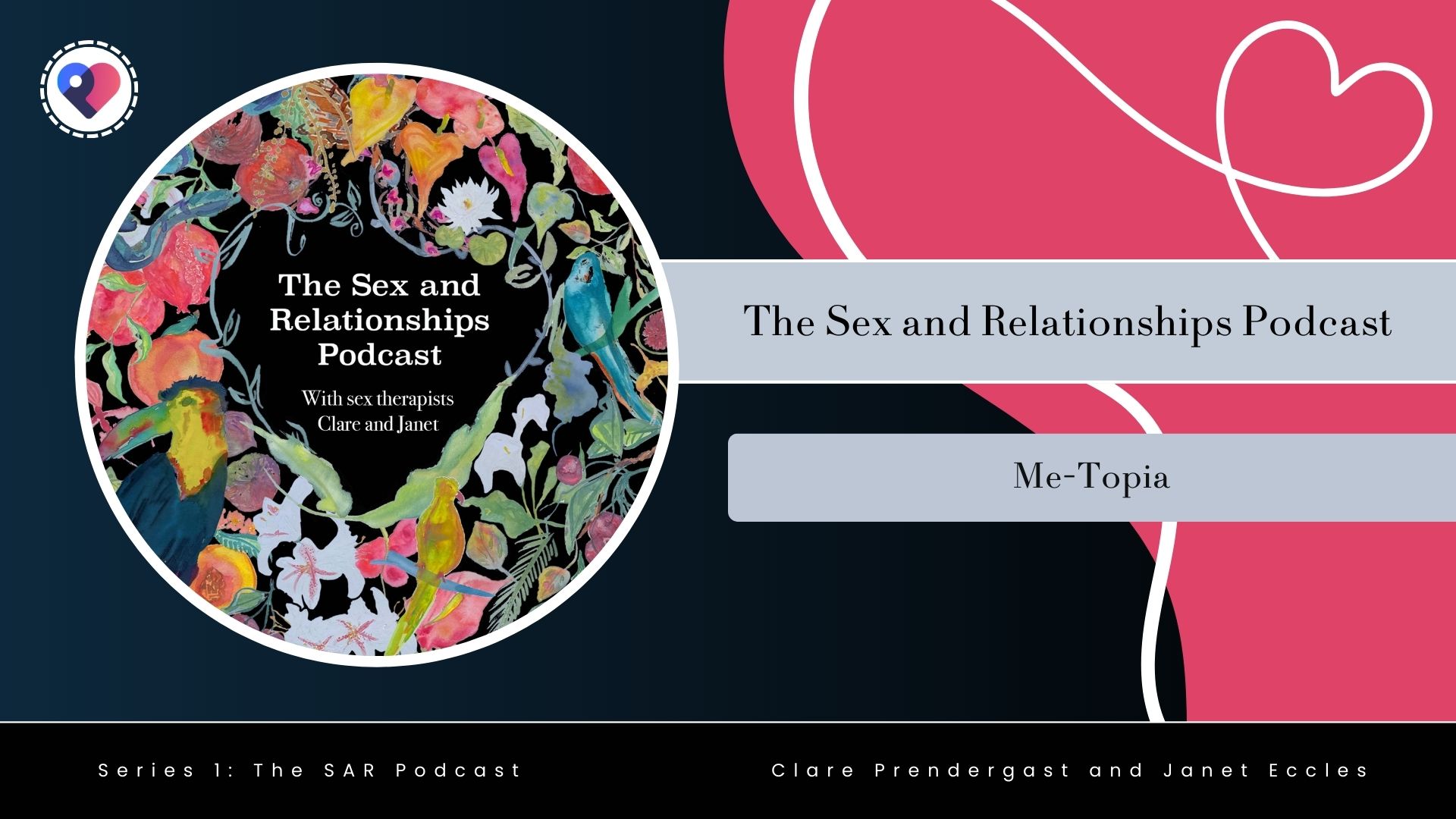
Me-topia
How self-care can boost your life and your relationships.
Authored by Thomas Andrew Porteus, MBCSOriginally published 8 Dec 2025
Meets Patient’s editorial guidelines
- DownloadDownload
- Share
- Language
- Discussion
- Audio Version
- Add to preferred sources on Google
In this series:Coming, ready or notLust or bustVictims and villainsThe Big O... Oh No! The arousal paradoxWhat is sex anyway?A dangerous liaison? Losing it!
If you always come last on the priority list, it’s time to learn why ‘Being Selfish for the Team’ helps everyone.
This podcast contains explicit language and content of a sexual nature.
If you’re always last on your own priority list, it might be time to rethink what self-care really means. In this final episode of the series, Clare and Janet explore Me-Topia - the relationship you have with yourself - and why tending to it is not selfish, but essential. They discuss how self-neglect affects mood, resilience and even sexual desire, and why so many people, especially women, struggle to keep anything back “just for me.”
Drawing on personal reflections and years of therapeutic work, they look at the powerful forces that shape how we treat ourselves: family patterns, martyr behaviour, cultural expectations, perfectionism, Instagram pressure and the fear of appearing self-indulgent. Clare and Janet challenge the idea that good self-care has to look a certain way, instead emphasising that it must be personal, authentic and tailored to what genuinely nourishes you whether that’s a cold-weather circuit class or a quiet walk in the park.
They also explore the “community of selves” within us - the inner critic, the loving parent, the rebellious teenager - and how learning which version of ourselves we bring to different situations can transform both self-esteem and relationships. Building on this, they introduce Damien Hughes’ four pillars of wellbeing (safety, control, value and belonging) as a practical way to check in with yourself when things feel off.
Clare and Janet explain why poor self-care often shows up first in our sex lives: reduced desire, less capacity for intimacy, quicker conflict and a shorter emotional fuse. They share the everyday practices from tiny pauses throughout the day to solo pleasure, hobbies, exercise, baths, dancing in the kitchen or simply breathing that sustain our emotional reserves and keep relationships steady, connected and joyful.
Patient picks for The Sex and Relationships Podcast
Podcasts
Me-topia
If you always come last on the priority list, it’s time to learn why ‘Being Selfish for the Team’ helps everyone.
by Thomas Andrew Porteus, MBCS
Podcasts
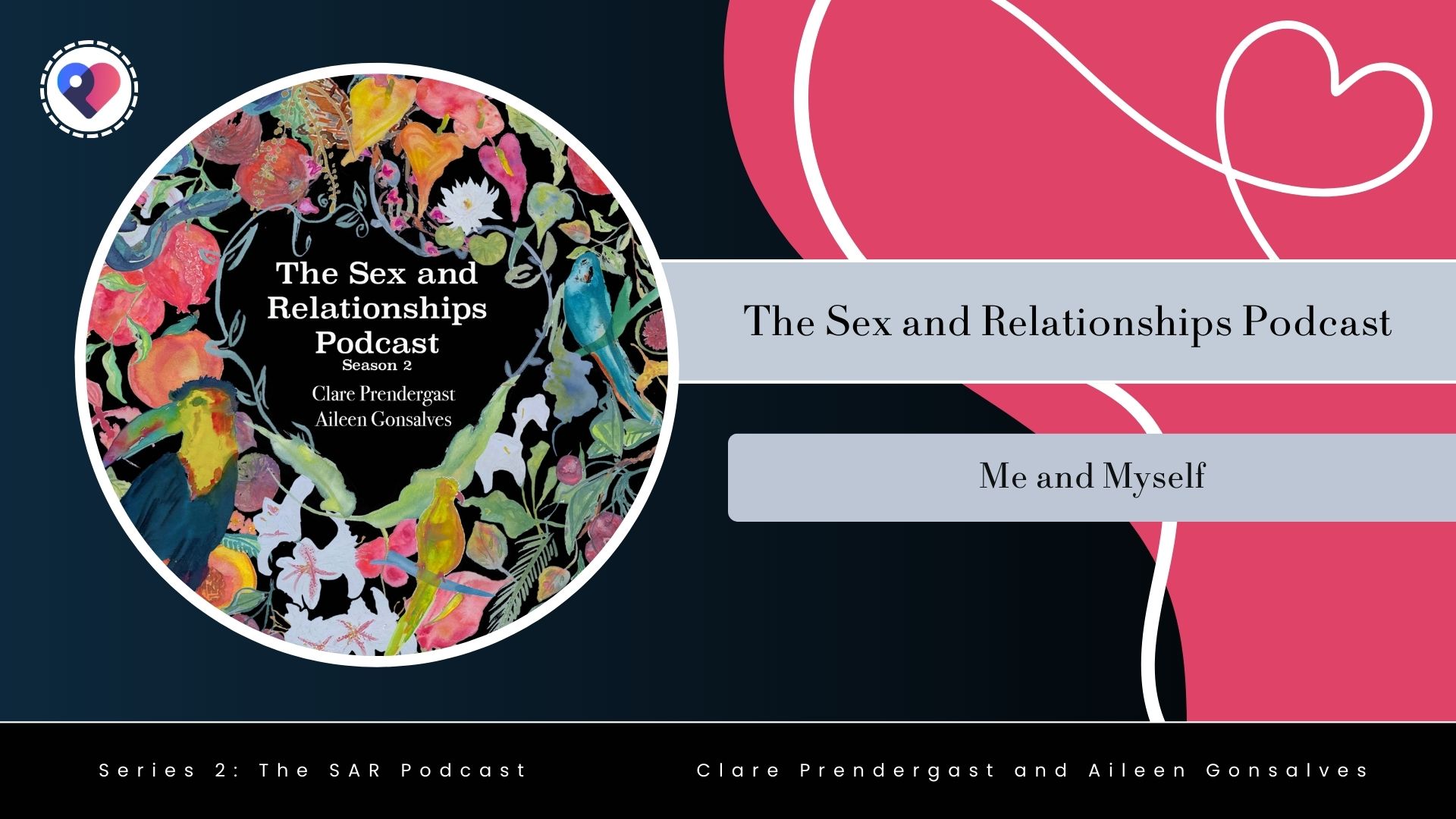
Friendship matters
Friends - those people we collect through life often taken for granted but can be so important to us. In this episode Clare and Aileen turn their attention to friendships. What are they, how do we make them, what do they bring and where they can go wrong? So, if you’ve ever felt guilty for neglecting a friendship, been baffled by a falling out or wondered why some friends bring out the best in you and others don’t. This one is for you.
by Thomas Andrew Porteus, MBCS
About the authorView full bio

Thomas Andrew Porteus, MBCS
HealthTech
MBCS
Thomas writes to inform, inspire, and equip practice leaders and health professionals navigating change, drawing on two decades of hands-on work across the UK health system.
Article history
The information on this page is peer reviewed by qualified clinicians.
Article also available in English, German, Spanish, French, Italian, Portuguese, Hindi, Hebrew, Arabic, and Swedish.
8 Dec 2025 | Originally published
Authored by:
Thomas Andrew Porteus, MBCS
Join the conversation
Share your thoughts or experiences with others in our patient communities.

Ask, share, connect.
Browse discussions, ask questions, and share experiences across hundreds of health topics.

Feeling unwell?
Assess your symptoms online for free
Sign up to the Patient newsletter
Your weekly dose of clear, trustworthy health advice - written to help you feel informed, confident and in control.
By subscribing you accept our Privacy Policy. You can unsubscribe at any time. We never sell your data.
More in podcasts
- Losing it!
- A dangerous liaison?
- NewAlexis Blake on Transition, Marriage & Mental Health
- NewAmy Walsh: Life on Emmerdale, Baby Nell & the Walsh Sisters
- Beyond human
- Claire Warren on motherhood, mum guilt and letting go of perfection
- Dr Amir Khan on kindness, community and caring for mind and body
- Friendship matters
- NewJamie Jones-Buchanan MBE: Resilience & the Leeds Rhinos Golden Generation
- Lindsey Burrow on love, caregiving and life after loss
- Lisa Riley on grief, resilience, and emotional wellbeing
- Making work work
- Me and myself
- Patient.info brings 'Yorkshire Talks' back with its most open and emotional health conversations yet
- The Big O... Oh No!
- The parental minefield
- Victims and villains
- What are relationships anyway?
- What is sex anyway?