Hereditary sensory and autonomic neuropathy type II
עודכן לאחרונה 18 אוג 2023
עומד בהנחיות העריכה של Patient
- הורדהורד
- שתף
- Language
- דיון
- גרסת שמע
- הוסף למקורות מועדפים בגוגל
Hereditary sensory and autonomic neuropathy type II (HSAN2) is a condition that primarily affects the sensory nerve cells (sensory neurons), which transmit information about sensations such as pain, temperature, and touch to the brain. These sensations are impaired in people with HSAN2. In some affected people, the condition may also cause mild abnormalities of the autonomic neurons, which control involuntary body functions such as heart rate, digestion, and breathing. The sensory and autonomic neurons are part of the body's peripheral nervous system, which comprises the nerves outside the brain and spinal cord. HSAN2 is considered a form of peripheral neuropathy.
תיאור
Hereditary sensory and autonomic neuropathy type II (HSAN2) is a condition that primarily affects the sensory nerve cells (sensory neurons), which transmit information about sensations such as pain, temperature, and touch to the brain. These sensations are impaired in people with HSAN2. In some affected people, the condition may also cause mild abnormalities of the autonomic neurons, which control involuntary body functions such as heart rate, digestion, and breathing. The sensory and autonomic neurons are part of the body's peripheral nervous system, which comprises the nerves outside the brain and spinal cord. HSAN2 is considered a form of peripheral neuropathy.
The signs and symptoms of HSAN2 typically begin in infancy or early childhood. The first sign of the condition is usually numbness in the hands and feet. Soon after, affected individuals lose the ability to feel pain or sense hot and cold. In people with HSAN2, unnoticed injuries often lead to open sores (ulcers) on the hands and feet. Because affected individuals cannot feel the pain of these sores, they may not seek treatment right away. Without treatment, the ulcers can become infected and may require amputation of the affected area. People with HSAN2 often injure themselves unintentionally, typically by biting the tongue, lips, or fingers. These injuries may lead to loss of the affected areas, such as the tip of the tongue. Affected individuals often have injuries and fractures in their hands, feet, limbs, and joints that go untreated because of the inability to feel pain. Repeated injury can lead to a condition called Charcot joints, in which the bones and tissue surrounding joints are damaged.
The effects of HSAN2 on the autonomic nervous system are more variable. Some infants with HSAN2 have digestive problems such as the backflow of stomach acids into the esophagus (gastroesophageal reflux) or slow eye-blink or gag reflexes. Affected individuals may also have weak deep-tendon reflexes, such as the reflex being tested when a doctor taps the knee with a hammer.
Some people with HSAN2 lose a type of taste bud on the tip of the tongue called lingual fungiform papillae and have a diminished sense of taste.
Inheritance patterns
The source lists the following possible inheritance patterns: Autosomal recessive. More than one pattern can apply in different cases.
Related genes
Other names
Congenital sensory neuropathy
Hereditary sensory and autonomic neuropathy type 2
HSAN type II
HSAN2
HSAN2A
HSAN2B
HSAN2C
HSAN2D
HSANII
HSN type II
Morvan disease
Related patient information and medicines

Patient information leaflet
נוירופתיה פריפרית
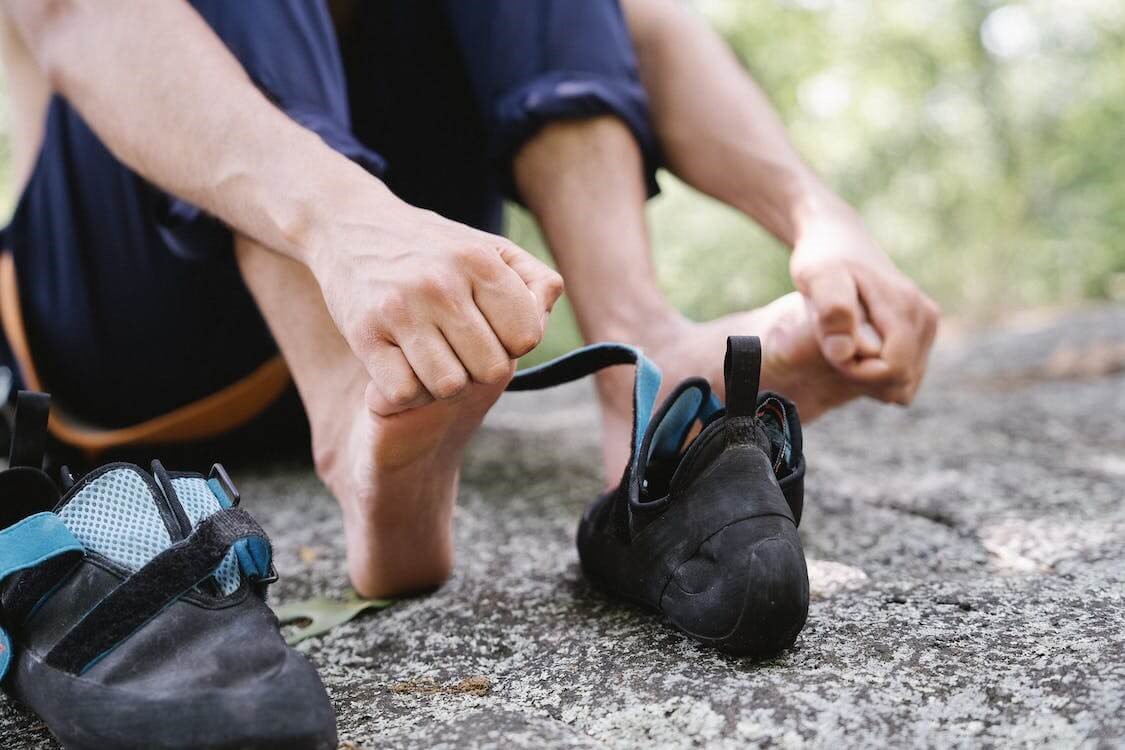
Peripheral neuropathy means damage to one or more of your peripheral nerves. Diabetes is the most common cause of persistent (chronic) peripheral neuropathy. The symptoms of peripheral neuropathy depend on which type of peripheral nerves are damaged (sensory, motor or autonomic nerves). If sensory nerves are damaged, this is known as sensory.
Patient information leaflet
נוירופתיה סוכרתית
נוירופתיה סוכרתית is a type of nerve damage that can occur if you have סוכרת. נוירופתיה סוכרתית הוא נפוץ complication of both type 1 diabetes and type 2 diabetes. The best way to prevent or treat diabetic neuro... נוירופתיה סוכרתית מטופל? a common complication of both type 1 diabetes and type 2 diabetes. Autonomic neuropathy Damage to the.
Patient information leaflet
תסמונת גיליאן-בארה
Guillain-Barré syndrome affects the nerves of the limbs and body and is usually triggered by an infection. The main symptom is sudden onset weakness of the muscles that are supplied by the affected nerves. With ... What is Guillain-Barré syndrome. Guillain-Barré syndrome (GBS) is a disease that affects nerves throughout the body and limbs. It is.

Patient information leaflet
הפרעות אגירת גליקוגן
Symptoms include weakness, tiredness and low blood ... Newer treatment possibilities provide hope for an improved outlook (prognosis). Most people with a glycogen storage disorder respond well to treatment. However, type II (infantile Pompe's disease) can be difficult to treat and can affect life expectancy. What is glycogen. Your body needs the.

Patient information leaflet
מניעת נפילות בקרב קשישים
Alcohol: apart from the fact that alcohol can make you drowsy and clumsy, it can also c... These include peripheral neuropathy. This is a condition of the nerves that can cause numbness and pins and needles of the feet or problems with balance sensation. Problems with the brain ו nervous system: this includes strokes, Parkinson's disease ,.

Patient information leaflet
תסמונת שיוגרן
תסמונת שיוגרן הוא autoimmune disease that causes the glands that produce tears and saliva to stop working. It is a life-long condition but treatments can help control symptoms such as dry eyes and dry mouth. What is Sjögren's syndrome. Sjögren's syndrome is a condition that causes the tear and saliva glands to stop working. It causes dry.
קריאה נוספת והפניות
- Hereditary sensory and autonomic neuropathy type II; MedlinePlus, National Library of Medicine.
- Axelrod FB, Gold-von Simson G. Hereditary sensory and autonomic neuropathies: types II, III, and IV. Orphanet J Rare Dis. 2007 Oct 3;2:39. doi: 10.1186/1750-1172-2-39.
- Davidson G, Murphy S, Polke J, Laura M, Salih M, Muntoni F, Blake J, Brandner S, Davies N, Horvath R, Price S, Donaghy M, Roberts M, Foulds N, Ramdharry G, Soler D, Lunn M, Manji H, Davis M, Houlden H, Reilly M. Frequency of mutations in the genes associated with hereditary sensory and autonomic neuropathy in a UK cohort. J Neurol. 2012 Aug;259(8):1673-85. doi: 10.1007/s00415-011-6397-y.
- Huang CL, Kuo E. Mechanisms of disease: WNK-ing at the mechanism of salt-sensitive hypertension. Nat Clin Pract Nephrol. 2007 Nov;3(11):623-30. doi: 10.1038/ncpneph0638.
- Khaminets A, Heinrich T, Mari M, Grumati P, Huebner AK, Akutsu M, Liebmann L, Stolz A, Nietzsche S, Koch N, Mauthe M, Katona I, Qualmann B, Weis J, Reggiori F, Kurth I, Hubner CA, Dikic I. Regulation of endoplasmic reticulum turnover by selective autophagy. Nature. 2015 Jun 18;522(7556):354-8. doi: 10.1038/nature14498. Epub 2015 Jun 3.
- Kurth I, Pamminger T, Hennings JC, Soehendra D, Huebner AK, Rotthier A, Baets J, Senderek J, Topaloglu H, Farrell SA, Nurnberg G, Nurnberg P, De Jonghe P, Gal A, Kaether C, Timmerman V, Hubner CA. Mutations in FAM134B, encoding a newly identified Golgi protein, cause severe sensory and autonomic neuropathy. Nat Genet. 2009 Nov;41(11):1179-81. doi: 10.1038/ng.464. Epub 2009 Oct 18.
- Lafreniere RG, MacDonald ML, Dube MP, MacFarlane J, O'Driscoll M, Brais B, Meilleur S, Brinkman RR, Dadivas O, Pape T, Platon C, Radomski C, Risler J, Thompson J, Guerra-Escobio AM, Davar G, Breakefield XO, Pimstone SN, Green R, Pryse-Phillips W, Goldberg YP, Younghusband HB, Hayden MR, Sherrington R, Rouleau GA, Samuels ME. Identification of a novel gene (HSN2) causing hereditary sensory and autonomic neuropathy type II through the Study of Canadian Genetic Isolates. Am J Hum Genet. 2004 May;74(5):1064-73. doi: 10.1086/420795. Epub 2004 Apr 1.
- Murphy SM, Davidson GL, Brandner S, Houlden H, Reilly MM. Mutation in FAM134B causing severe hereditary sensory neuropathy. J Neurol Neurosurg Psychiatry. 2012 Jan;83(1):119-20. doi: 10.1136/jnnp.2010.228965. Epub 2010 Nov 28.
- Riviere JB, Ramalingam S, Lavastre V, Shekarabi M, Holbert S, Lafontaine J, Srour M, Merner N, Rochefort D, Hince P, Gaudet R, Mes-Masson AM, Baets J, Houlden H, Brais B, Nicholson GA, Van Esch H, Nafissi S, De Jonghe P, Reilly MM, Timmerman V, Dion PA, Rouleau GA. KIF1A, an axonal transporter of synaptic vesicles, is mutated in hereditary sensory and autonomic neuropathy type 2. Am J Hum Genet. 2011 Aug 12;89(2):219-30. doi: 10.1016/j.ajhg.2011.06.013. Epub 2011 Aug 4.
- Shekarabi M, Girard N, Riviere JB, Dion P, Houle M, Toulouse A, Lafreniere RG, Vercauteren F, Hince P, Laganiere J, Rochefort D, Faivre L, Samuels M, Rouleau GA. Mutations in the nervous system--specific HSN2 exon of WNK1 cause hereditary sensory neuropathy type II. J Clin Invest. 2008 Jul;118(7):2496-505. doi: 10.1172/JCI34088.
- Verpoorten N, De Jonghe P, Timmerman V. Disease mechanisms in hereditary sensory and autonomic neuropathies. Neurobiol Dis. 2006 Feb;21(2):247-55. doi: 10.1016/j.nbd.2005.08.004. Epub 2005 Sep 23.
- Yuan J, Matsuura E, Higuchi Y, Hashiguchi A, Nakamura T, Nozuma S, Sakiyama Y, Yoshimura A, Izumo S, Takashima H. Hereditary sensory and autonomic neuropathy type IID caused by an SCN9A mutation. Neurology. 2013 Apr 30;80(18):1641-9. doi: 10.1212/WNL.0b013e3182904fdd. Epub 2013 Apr 17.
הצטרפו לשיחה
שתפו את מחשבותיכם או חוויותיכם עם אחרים ב קהילות המטופלים שלנו.

שאלו, שתפו, התחברו.
עיין בדיונים, שאל שאלות ושתף חוויות במאות נושאים בריאותיים.
הירשמו לניוזלטר של פיישנט
המנה השבועית שלך של עצות בריאות ברורות ואמינות - נכתבה כדי לעזור לך להרגיש מעודכן, בטוח ובשליטה.
על ידי הרשמה אתה מקבל את שלנו מדיניות הפרטיות שלנו. באפשרותך לבטל את המנוי בכל עת. לעולם לא נמכור את הנתונים שלך.