Tuberous sclerosis complex
עודכן לאחרונה 16 May 2022
עומד בהנחיות העריכה של Patient
- הורדהורד
- שתף
- Language
- דיון
- Ask Patient
- גרסת שמע
- הוסף למקורות מועדפים בגוגל
Tuberous sclerosis complex is a genetic disorder characterised by the growth of numerous noncancerous (benign) tumours in many parts of the body. These tumours can occur in the brain, kidneys, heart, skin, and other organs, in some cases leading to significant health problems. Tuberous sclerosis complex also causes developmental problems, and the signs and symptoms of the condition vary from person to person.
בחירות וידאו עבור Genetic conditionsספריית סרטונים
תיאור
Tuberous sclerosis complex is a genetic disorder characterised by the growth of numerous noncancerous (benign) tumours in many parts of the body. These tumours can occur in the brain, kidneys, heart, skin, and other organs, in some cases leading to significant health problems. Tuberous sclerosis complex also causes developmental problems, and the signs and symptoms of the condition vary from person to person.
Tuberous sclerosis complex often affects the brain, with some affected individuals having benign growths in the outer surface of the brain (cerebral cortex) known as cortical tubers. Individuals with tuberous sclerosis complex often develop a pattern of behaviors called TSC-associated neuropsychiatric disorders (TAND). These disorders include hyperactivity, aggression, psychiatric conditions, intellectual disability, and problems with communication and social interaction (autism spectrum disorder). Additionally, individuals with tuberous sclerosis complex may have attention-deficit/hyperactivity disorder (ADHD) or seizures.
Kidney tumours are common in people with tuberous sclerosis complex; these growths can cause severe problems with kidney function and may be life-threatening in some cases. Additionally, tumours can develop in the heart (cardiac rhabdomyoma) and the light-sensitive tissue at the back of the eye (the retina). Some women with tuberous sclerosis complex develop lymphangioleiomyomatosis (LAM), which is a lung disease characterised by the abnormal overgrowth of smooth muscle-like tissue in the lungs that causes coughing, shortness of breath, chest pain, and lung collapse.
Virtually all affected people have skin abnormalities, including patches of unusually light-colored skin, areas of raised and thickened skin, and growths under the nails. Tumours on the face called facial angiofibromas are also common beginning in childhood. Sometimes, affected individuals have areas of bone or dental damage.
Inheritance patterns
The source lists the following possible inheritance patterns: Autosomal dominant. More than one pattern can apply in different cases.
Related genes
Other names
Bourneville disease
Bourneville phakomatosis
Cerebral sclerosis
Sclerosis tuberosa
Tuberose sclerosis
Related patient information and medicines

Patient information leaflet
אפילפסיה
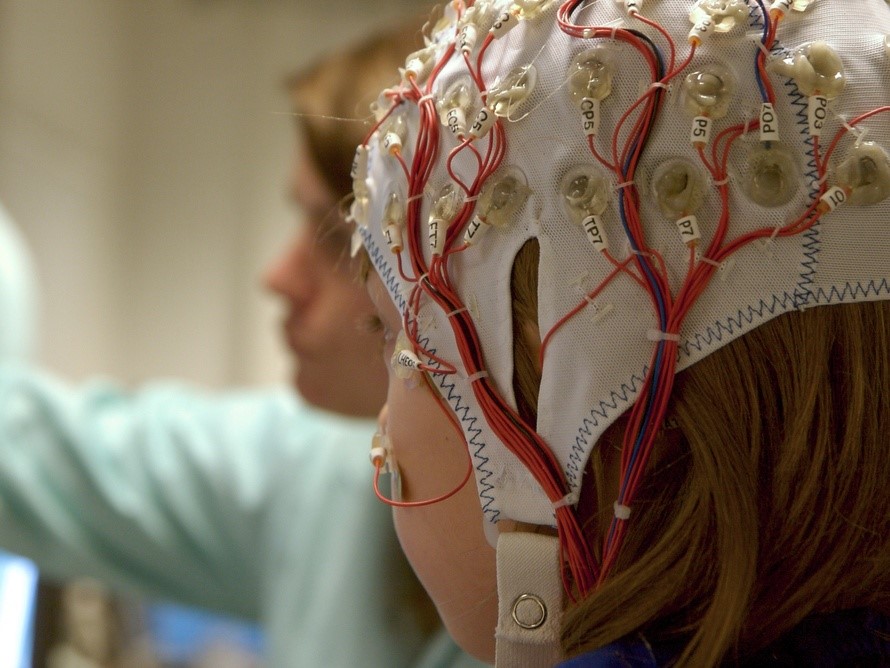
About 1 in 30 people in the UK develop epilepsy at some stage in their lives. Because only one gene is involved, it's much easier to predict how these will be inherited, and genetic testing is often performed to diagnose these ... Examples of these rare genetic conditions include: Tuberous sclerosis. Fragile X syndrome. Rett syndrome. Structural.
Patient information leaflet
סוגי פרכוסים
This leaflet gives some information about what your doctor may wish to know and what tests may be advised after such an event. What is a seizure. This is probably the reason for seizures in in most people who have epilepsy; they have likely inherited a combinatio... Many people with epilepsy also have a family history of seizures. A genetic.

Patient information leaflet
סרטן הכליה
What is kidney cancer. There are several types of kidney cancer but over 9 out of 10 kidney cancers are "renal cell cancer". This is s... (A faulty gene which runs in some families may sometimes trigger kidney cancer. Also, people with some rare genetic disorders have a higher risk of developing kidney cancer - for example, von Hippel-Lindau.
Patient information leaflet
גידולי מוח
The treatment and survival rates vary greatly, depending on factors such as the type of tumour and the location in the brain. Genetic factors may be a risk for some people - perhaps in about 1 i... For example, people with the hereditary diseases called neurofibromatosis type 1, Turcot's syndrome, Li-Fraumeni cancer syndrome, and tuberous.
Patient information leaflet
דיספגיה
As a general rule, the earlier a serious problem is diagnosed, the better the chance that treatment may improve the outlook (prognosis). This leaflet discusses the main causes of dysphagia. Dysphagia is the medical word for difficulty swallowing. Motor neuron... Multiple sclerosis Multiple sclerosis. Parkinson's disease Parkinson's disease..

Patient information leaflet
הפרעות על הספקטרום האוטיסטי
Autism spectrum disorder (ASD), commonly known as autism, affects the way that a person communicates with, and relates to, other people. The National Autistic Society defines autism as 'a lifelong developmental disability which affects how people communicate and interact with the world'. There are also some developmental disability conditions ....
קריאה נוספת והפניות
- Tuberous sclerosis complex; MedlinePlus, National Library of Medicine.
- Crino PB, Nathanson KL, Henske EP. The tuberous sclerosis complex. N Engl J Med. 2006 Sep 28;355(13):1345-56. doi: 10.1056/NEJMra055323. No abstract available.
- Franz DN, Bissler JJ, McCormack FX. Tuberous sclerosis complex: neurological, renal and pulmonary manifestations. Neuropediatrics. 2010 Oct;41(5):199-208. doi: 10.1055/s-0030-1269906. Epub 2011 Jan 5.
- Hyman MH, Whittemore VH. National Institutes of Health consensus conference: tuberous sclerosis complex. Arch Neurol. 2000 May;57(5):662-5. doi: 10.1001/archneur.57.5.662. No abstract available.
- Marom D. Genetics of tuberous sclerosis complex: an update. Childs Nerv Syst. 2020 Oct;36(10):2489-2496. doi: 10.1007/s00381-020-04726-z. Epub 2020 Aug 6.
- Northrup H, Aronow ME, Bebin EM, Bissler J, Darling TN, de Vries PJ, Frost MD, Fuchs Z, Gosnell ES, Gupta N, Jansen AC, Jozwiak S, Kingswood JC, Knilans TK, McCormack FX, Pounders A, Roberds SL, Rodriguez-Buritica DF, Roth J, Sampson JR, Sparagana S, Thiele EA, Weiner HL, Wheless JW, Towbin AJ, Krueger DA; International Tuberous Sclerosis Complex Consensus Group. Updated International Tuberous Sclerosis Complex Diagnostic Criteria and Surveillance and Management Recommendations. Pediatr Neurol. 2021 Oct;123:50-66. doi: 10.1016/j.pediatrneurol.2021.07.011. Epub 2021 Jul 24.
- Northrup H, Koenig MK, Pearson DA, Au KS. Tuberous Sclerosis Complex. 1999 Jul 13 [updated 2024 Aug 1]. In: Adam MP, Bick S, Mirzaa GM, Wallace SE, Amemiya A, editors. GeneReviews(R) [Internet]. Seattle (WA): University of Washington, Seattle; 1993-2026. Available from http://www.ncbi.nlm.nih.gov/books/NBK1220/
- Randle SC. Tuberous Sclerosis Complex: A Review. Pediatr Ann. 2017 Apr 1;46(4):e166-e171. doi: 10.3928/19382359-20170320-01.
- Salussolia CL, Klonowska K, Kwiatkowski DJ, Sahin M. Genetic Etiologies, Diagnosis, and Treatment of Tuberous Sclerosis Complex. Annu Rev Genomics Hum Genet. 2019 Aug 31;20:217-240. doi: 10.1146/annurev-genom-083118-015354. Epub 2019 Apr 24.
שתפו את מחשבותיכם או חוויותיכם עם אחרים ב קהילות המטופלים שלנו.
גישה פשוטה לטיפולים ושירותי בריאות אמינים באינטרנט.
Common conditions
Get help with common conditions through the NHS, without a GP appointment.





הירשמו לניוזלטר של פיישנט
המנה השבועית שלך של עצות בריאות ברורות ואמינות - נכתבה כדי לעזור לך להרגיש מעודכן, בטוח ובשליטה.
על ידי הרשמה אתה מקבל את שלנו מדיניות הפרטיות שלנו. באפשרותך לבטל את המנוי בכל עת. לעולם לא נמכור את הנתונים שלך.