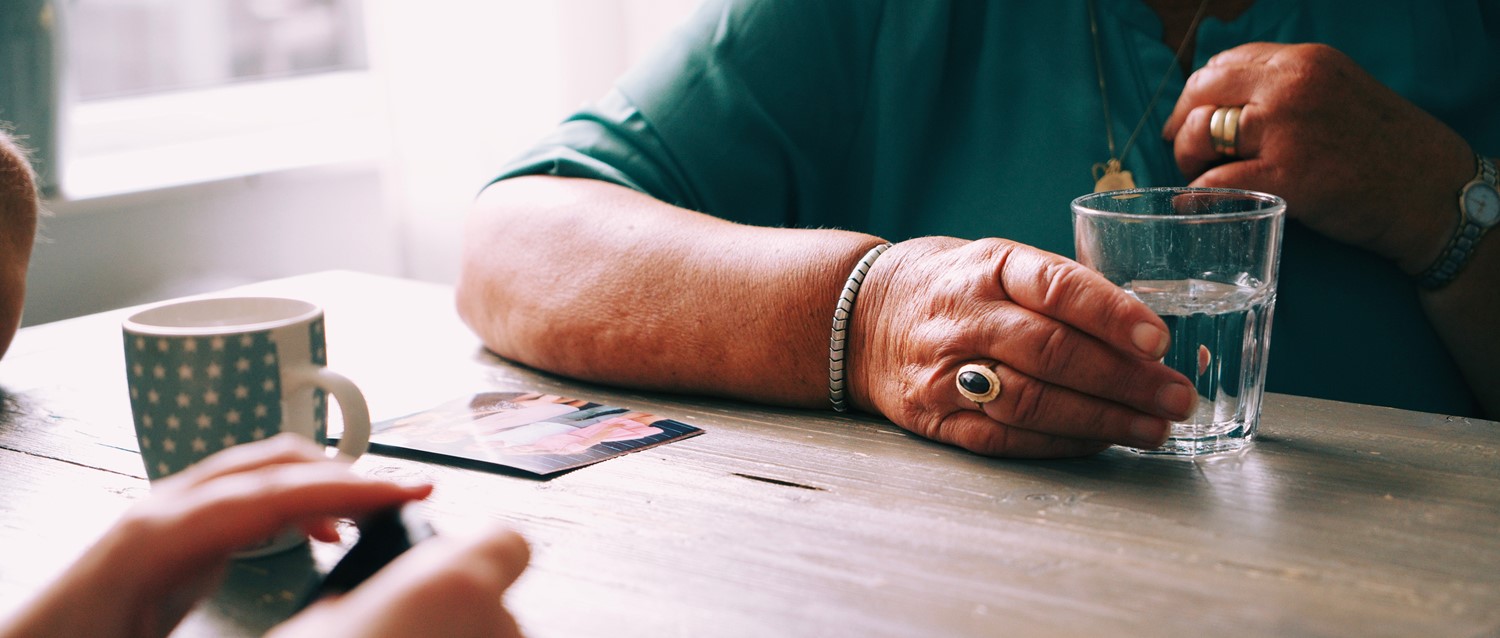
האם מזג האוויר החורפי יכול להחמיר כאבי מפרקים?
נבדק על ידי ד"ר שרה ג'רוויסנכתב על ידי Andrea Downeyפורסם במקור 26 Dec 2019
עומד בהנחיות העריכה של Patient
- הורדהורד
- שתף
- Language
- דיון
- Ask Patient
- גרסת שמע
- הוסף למקורות מועדפים בגוגל
When the weather gets colder, many people with joint and bone problems often feel like their condition gets worse, but does the weather have any impact on the severity of conditions like arthritis?
Ever felt like your כאב מפרקים gets worse when the weather gets colder? You're not alone, millions of people who have דלקת פרקים and similar conditions often feel like their joints are stiffer when the temperature drops.
But is there any evidence to suggest that cold weather, or any type of weather, can affect our bones and joints? Dr Fiona Chikusu, clinical spokesperson for charity Versus Arthritis, and Jack March, Chews Health rheumatology clinical lead, explain.
Recent מחקר from Manchester University, and funded by Versus Arthritis, found people living with the condition were 20% more likely to experience pain on days that are humid and windy. And it's not just arthritis that it affects. The study found those with pain conditions like פיברומיאלגיה were also affected by the weather.
But what's the verdict on cold weather affecting joint pain? So far, there's no scientific evidence to suggest it does.
הראיות
"People who experience joint pain may feel it more in the cold, but the reason for this is not specifically known. It might simply be because the cold means people are less active which causes stiffness, and because of that stiffness people feel more pain," Dr Chikusu says.
"It has been suggested that if the atmospheric pressure drops and temperature becomes colder then the pressure inside people's joints that pushes on the nerves either increases or decreases, while others have suggested that cold weather increases the pressure on the joints, resulting in pain.
"The final theory considers the pain receptors and their responses to cold. When the temperature drops, it can make people's pain receptors a lot more sensitive, and because of this, they will feel more significant arthritis pain."
March says that it's important to remember that weather will have no impact on the severity of a person's arthritis, only the pain they may experience.
"Winter's lack of daylight and poorer weather conditions are associated with lower mood. It is also a stress on the body's nervous system to be cold as it has to try to keep itself up to temperature. These effects on the psychological and nervous systems likely have a much larger effect on pain levels than the humidity, low pressure or wind directly upon the joints," he adds.
How to manage the pain
There are several steps a person can take to manage their pain, but it's important to remember that if pain worsens for longer than two weeks then a visit to the GP or pharmacist to get it checked is necessary.
"Wearing suitable clothing can help - thermals or layers of clothing work better at trapping the heat than thicker clothes and wearing thicker socks or two pairs not only helps to keep your feet warm but also provides extra cushioning under your soles," Chikusu says.
"Hot-water bottles, electric blankets and taking a warm bath or shower will also help to ease stiff and painful joints."
Keeping the house warm is also a good idea. The NHS recommends that you should heat your home to at least 18°C if you have reduced mobility, are aged 65 or over or have a health condition such as לב או lung disease.
March also suggests using mild painkillers such as פרצטמול או איבופרופן. But you should always consult a pharmacist before taking them for an extended period of time.
"Keeping active, getting plenty of לישון, reducing excess body fat, especially abdominal, and not עישון also help to keep the body's resting level of inflammation at a lower level. These factors are more strongly associated with higher levels of pain," he says.
Keeping active
On the subject of keeping active, שיעור התעמלות can be a useful tool in keeping the joints mobile and comfortable.
It always seems to be the go-to advice for a healthy lifestyle, but keeping active really can work wonders for your body and mind - including pain management. Just make sure to choose an activity that's not going to put too much pressure on your bones.
"Exercise will improve your circulation and help to keep you warmer. The weather might put you off doing long outdoor walks but there are many indoor options for low-impact, weight-bearing exercises, like doing a יוגה class," Chikusu adds.
"Simple מתיחות exercises, like stretching your arms in the air, keep your joints moving properly. They are designed to help ease aches and pains by stretching the joints and muscles in your body. Strengthening exercises help you to strengthen your muscles so they can support your joints. You may want to try Pilates to help strengthen muscles and improve posture.
"Low-impact fitness classes like t'ai chi and yoga are also good options for people with arthritis or joint pain, and you can do these indoors during the winter."
Another exercise that's good for the joints, especially if you're in severe pain, is swimming or pool-based exercises, March adds. That's because the water takes the weight of your body and allows you to move with less pressure on your joints.
"If the pain is particularly severe then pool-based exercise can be a great way of getting the joints moving and exercising while reducing the force through the area.
"If you have a specific problem such as restricted range of motion or muscle weakness then consulting a physiotherapist is a great option to get some individualised advice."
The NHS recommends we get 30 minutes of exercise five days a week, but if that's too painful to begin with try breaking it down into sessions lasting 5-10 minutes. Any amount of movement to keep your joints supple will be beneficial.
בחירות המטופלים עבור בריאות המפרקים

עצמות, מפרקים ושרירים
Jaw arthritis - the signs to look out for and how to protect your jaw
Jaw arthritis happens when the joint connecting your jawbone to your skull becomes inflamed. As Sharon Horgan’s character Alex discovers in HBO’s recent comedy-drama Youth, it can become more common as we get older.
מאת ויקטוריה ראו

עצמות, מפרקים ושרירים
מה זה כתף בת 40 שנה?
The term ‘40-year-old shoulder’ gained attention in the past decade, partly because of its mention in the TV show ‘Younger’. The series follows a 40-year-old woman pretending to be in her twenties, with the contrast between her real age and her assumed age becoming a recurring theme. The show makes frequent nods to age-related health differences - including frozen shoulder - which is portrayed as something more likely to affect people in midlife. But while the phrase makes for a memorable TV moment, is ‘40-year-old shoulder’ a real medical term, and what should you do if you think you have it?
מאת ויקטוריה ראו
אודות המחבר
נכתב על ידי

Andrea Downey
אודות המבקרצפה בפרופיל המלא

Dr Sarah Jarvis
יועץ קליני
MA (Cantab), BM, BCh (Oxon), DRCOG, FRCGP, MBE
לאחר הכשרה ברפואה בקיימברידג' ואוקספורד, ד"ר שרה ג'רוויס MBE הפכה לרופאת משפחה.
שתפו את מחשבותיכם או חוויותיכם עם אחרים ב קהילות המטופלים שלנו.
גישה פשוטה לטיפולים ושירותי בריאות אמינים באינטרנט.
Common conditions
Get help with common conditions through the NHS, without a GP appointment.





הירשמו לניוזלטר של פיישנט
המנה השבועית שלך של עצות בריאות ברורות ואמינות - נכתבה כדי לעזור לך להרגיש מעודכן, בטוח ובשליטה.
על ידי הרשמה אתה מקבל את שלנו מדיניות הפרטיות שלנו. באפשרותך לבטל את המנוי בכל עת. לעולם לא נמכור את הנתונים שלך.