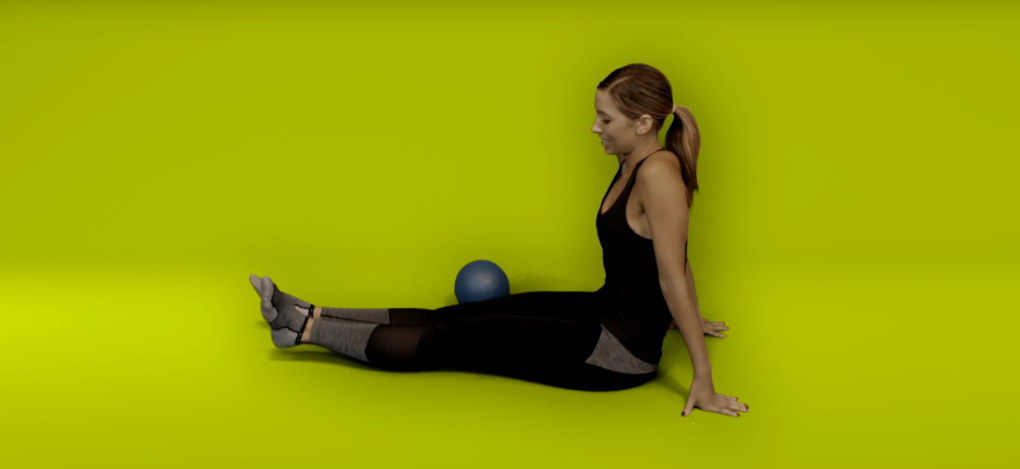
וידאו: תרגילים לשיקום לאחר החלפת ברך
נבדק על ידי ד"ר שרה ג'רוויסנכתב על ידי Lilly Sabri, MHPCפורסם במקור 15 Dec 2017
עומד בהנחיות העריכה של Patient
- הורדהורד
- שתף
- Language
- דיון
- Ask Patient
- גרסת שמע
- הוסף למקורות מועדפים בגוגל
There are different types of knee replacement surgery depending on the injury, the severity of the injury and the surgeon performing the procedure. This leaflet is to be used only as a guideline once you have discussed and confirmed with your surgeon and medical team that the exercises below are appropriate for you following your surgery.
The following exercises are recommended to help reduce swelling and pain, increase range of movement, strengthen the muscles around the knee joint and prevent future problems.
רשימת השמעה: Knee Replacement Recovery Exercises
3 סרטונים
Knee Replacement: Outer Glutes Strengthening with Lilly Sabri | Patient Physio
Lilly Sabri, MHPC
Knee Replacement: Outer Glutes Strengthening with Lilly Sabri | Patient Physio
לילי סברי, MHPC
Knee Replacement: Inner Range Quadriceps with Lilly Sabri | Patient Physio
לילי סברי, MHPC
Knee Replacement: Inner Thigh and Glute with Lilly Sabri | Patient Physio
לילי סברי, MHPC
Range of movement exercises
Please remember that these exercises can only be completed once cleared with your surgeon and medical team
Knee flexion/extension sitting on the floor
Sitting with your legs straight out in front of you, support your back if necessary.
Place a plastic bag under the heel and slide it towards your bottom, using your hands or a band around the foot for support if necessary.
Slowly and controlled, straighten leg back out to the starting position.
Repeat 10 times on each affected knee, twice daily.
Knee flexion/extension sitting
An alternative to the previous exercise, should you struggle getting on and off the floor.
Sit upright in your chair with both feet planted on the floor.
Start by straightening the operated knee out as far as possible and in a slow controlled movement bend it back down and as far under the chair as possible.
You can use the non-operative leg to aid this further by hooking the ankles and assisting the foot further under the chair.
Repeat this movement 10 times on each affected leg, twice daily.
Stretches for the muscles of the knee joint
Please remember that these exercises can only be completed once cleared with your surgeon and medical team
Quad stretch
Stand with your hands supported on the back of a chair.
Bend one knee and bring your foot towards your bottom.
Hook your hand around your ankle and pull the ankle closer towards the bottom to feel a stretch in the thigh muscle at the front of the leg.
Be sure to keep the knees touching.
Hold the stretch for 20 seconds; repeat three times on each side, twice daily.
To simplify, either hold on to your trouser legs or place a towel or band around the ankle. This can also be completed lying on your side with the operated leg up.
Hamstring stretch
Sit upright in a chair with both knees bent.
Bring your bottom towards the front of the chair.
Straighten the operated leg as much as possible and flex your foot - toes to the sky.
Take your body weight forward.
Strengthening for the knee muscles
Please remember that these exercises can only be completed once cleared with your surgeon and medical team
Isometric quads
This a simple but very effective exercise for people with very weak quads (particularly after surgery).
Sitting on the floor, support your back and position your legs straight in front of you.
Start by pushing one knee down into the ground, feeling the quad (thigh) muscle activate.
Hold for 10 seconds and repeat 10 times on each leg, twice daily.
Inner range quads
Start sitting on the floor; support your back and position your legs straight in front of you.
Place a rolled-up hand towel underneath one knee.
Point your foot to the ceiling before pushing your knee down into the towel. You should feel your heel lift off the floor.
Hold for 10 seconds and repeat 10 times on each leg, twice daily.
Straight leg raise
A progression from the exercises above.
Sitting on the floor, support your back and position your legs straight in front of you.
Turn your foot outwards; push your knee down into the floor before lifting your leg off the ground 4-6 inches.
Hold for five seconds and repeat 10 times on each leg, twice daily.
Sit to stand
Start sitting on a chair.
Without using your hands for support, stand up from the chair and then sit back down again in a slow and controlled movement.
Complete this exercise 20 times.
As you improve, increase the number of repetitions gradually up to 50; you can also try this exercise from a lower chair.
Wall squat
Stand with your back to the wall.
Place your feet shoulder distance apart and away from the wall.
Slowly slide your hands down the wall as you lower your body into a squat position.
Do not allow the knees to buckle in, by keeping the knees directly over the middle toes.
Hold for 10 seconds and repeat 10 times, twice daily.
If you do not have access to a wall, you can complete a standing squat, ensuring your knees stay in line with your middle toes, your weight is distributed back through your heels and your chest remains proud and open. If you get an increase in knee pain, you should stop and seek professional advice.
Adductor (inner thigh muscle)
Sitting on a chair with your back supported.
Place a small soft ball or pillow in between the knees.
Engage your stomach muscles; squeeze the ball in between your inner thighs.
Hold for 10 seconds; repeat 10 times, twice daily.
Static glutes
Sitting on a chair with your back supported.
Clench your bottom muscles together and hold for 10 seconds; repeat 10 times, twice daily.
בחירות המטופלים עבור Knee health
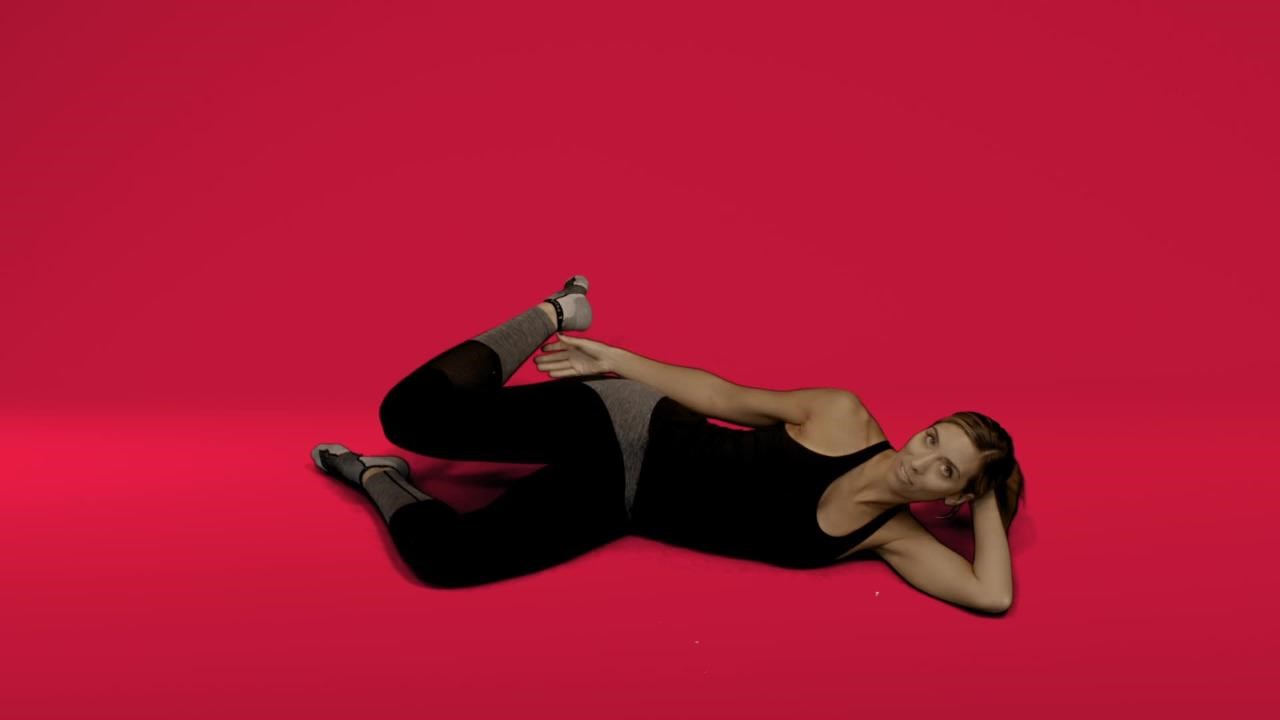
עצמות, מפרקים ושרירים
וידאו: תרגילים לכאבי ברכיים
These exercises are recommended to help reduce pain, increase range of movement and strengthen the knee joint muscles and prevent future problems.
מאת לילי סברי, MHPC

עצמות, מפרקים ושרירים
כאבי ברכיים שלא חולפים: מתי הזמן להיבדק בסריקה?
כאב בברך הוא תופעה נפוצה מאוד, אך לא תמיד קל לזהות מה גורם לתסמינים שלך. כאב בברך יכול להתחיל ככאב קל שמחמיר בהדרגה, או להופיע פתאום לאחר פציעה ולא להיעלם. אנשים רבים חיים עם כאב ברך מתמשך במשך חודשים או שנים, נוטלים משככי כאבים או נחים כאשר יש צורך. אך כאב ברך ממושך יכול להפריע לאיכות החיים שלך וליכולת לעבוד, ולהשפיע על השתתפותך והנאתך בספורט ובפעילויות פנאי. כאב ברך מתמשך, או כאב שלא משתפר, עשוי לדרוש חקירה נוספת. ביצוע סריקה יספק בהירות לגבי מה שגורם לתסמינים שלך ואילו אפשרויות טיפול עשויות להיות זמינות עבורך. אך לפעמים קשה לדעת מתי לבצע סריקה ואיזה סוג לבחור. Scan.com עוזרת להפוך את זה לפשוט יותר.
מאת Scan.com
אודות המחברצפה בפרופיל המלא
נכתב על ידי
Lilly Sabri, MHPC
פיזיותרפיסט, מאמן אישי
BSc Physiotherapy, MCSP, MHPC, MAACP, MACSPM
לילי סברי היא פיזיותרפיסטית מוסמכת, מדריכת פילאטיס APPI, משפיעה בתחום הכושר, הבריאות ואורח החיים ומייסדת #LeanWithLilly.
אודות המבקרצפה בפרופיל המלא

Dr Sarah Jarvis
יועץ קליני
MA (Cantab), BM, BCh (Oxon), DRCOG, FRCGP, MBE
לאחר הכשרה ברפואה בקיימברידג' ואוקספורד, ד"ר שרה ג'רוויס MBE הפכה לרופאת משפחה.
שתפו את מחשבותיכם או חוויותיכם עם אחרים ב קהילות המטופלים שלנו.
גישה פשוטה לטיפולים ושירותי בריאות אמינים באינטרנט.
Common conditions
Get help with common conditions through the NHS, without a GP appointment.





הירשמו לניוזלטר של פיישנט
המנה השבועית שלך של עצות בריאות ברורות ואמינות - נכתבה כדי לעזור לך להרגיש מעודכן, בטוח ובשליטה.
על ידי הרשמה אתה מקבל את שלנו מדיניות הפרטיות שלנו. באפשרותך לבטל את המנוי בכל עת. לעולם לא נמכור את הנתונים שלך.