COVID-19: how to talk to children about the coronavirus pandemic
Peer reviewed by Dr Sarah JarvisAuthored by Gillian HarveyOriginally published 23 Apr 2020
Meets Patient’s editorial guidelines
- DownloadDownload
- Share
- Language
- Discussion
- Audio Version
- Add to preferred sources on Google
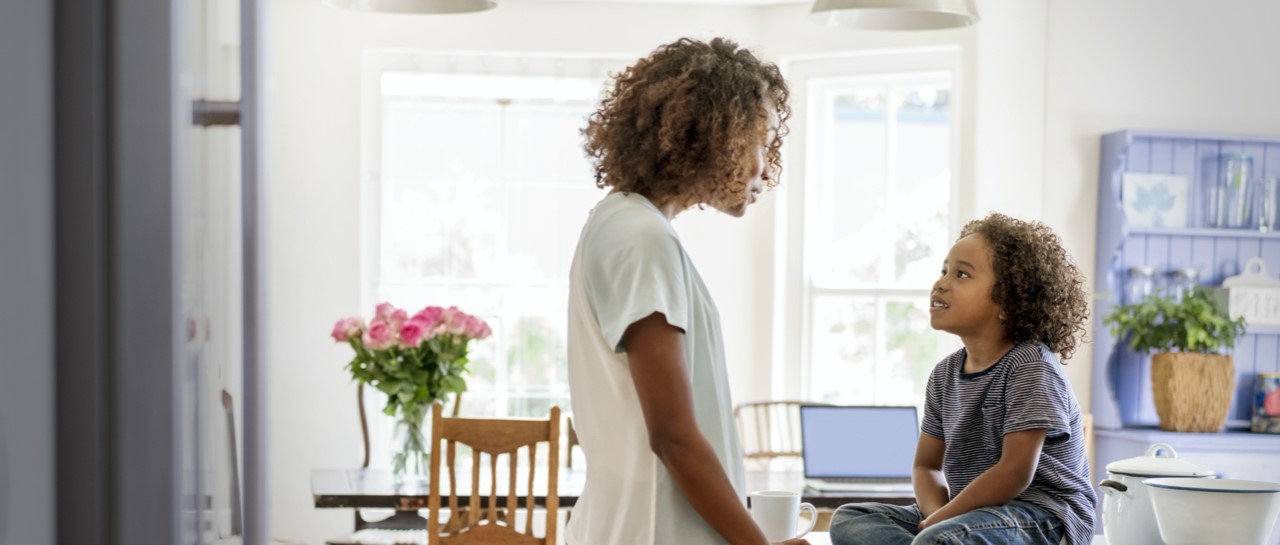
As parents, our natural instinct is to protect our children. But the coronavirus pandemic presents a unique challenge. We need our children to understand the importance of extra hygiene measures, and why they can't see their friends right now. But how can we do this without causing additional anxiety about COVID-19?
Use Patient's coronavirus checker tool if you have any symptoms of fever or a new cough. Until you have used the tool and been advised what action to take, please stay at home and avoid contact with other people.
Talking about coronavirus
Most children will have some awareness of the coronavirus pandemic perhaps from the news or from friends. But to give our children confidence and a feeling of safety, it's important that we take the opportunity to talk to them ourselves. So what's the best way to do this?
"You can either respond to a child's comments or you can create the conversation yourself," advises Dr Maryhan Baker, parenting coach and psychologist. "It's important that you engage with your child on their emotional level and acknowledge their feelings. For example, we might say: 'Things might feel a bit scary at the moment. We have to stay at home, we can't see grandma. It's OK to feel worried and scared,'" explains Baker.
Use facts to reassure
It's important to be truthful with children, but at the same time not to cause alarm. "We know that the virus doesn't seem to affect children as much as adults," says Baker. "So we can explain to our children: 'If you get coronavirus as a child you are probably going to feel unwell. You might get a temperature and a cough, but we know that your bodies recover from it more easily.'
"For grown-ups, particularly granddad's age, it can make them feel more poorly. And that’s why we're not seeing him, because we're helping him to stay well."
Focusing on positive language and describing our actions as keeping others well - rather than 'preventing them from getting ill' - will help children to see the situation in a more positive light.
Check in with yourself
The best, most nuanced conversation in the world is not going to reassure a child if they see that you are scared or panicking about the situation. So it's important to think about our own behaviour and look after our emotional well-being too.
"As parents, we're the emotional barometer in the family," explains Baker. "Now, more than ever, we need to be checking in with our own emotions. Children are much more likely to respond to what they see than what we say, so your words need to be in line with your behaviour."
Looking after ourselves and keeping anxiety to a minimum are therefore a crucial part of parenting. "Children are often remarkably resilient," agrees Baker. "It's the parents who are often struggling with processing. Make sure you are not consuming too much news - do you need to restrict yourself in what you're looking at? We need to support ourselves so that we can support them."
Signs of anxiety in children
As adults, it can sometimes be hard to recognise anxiety in ourselves. So it's likely that if your child is feeling anxious, they won't be able to recognise it or express it to you directly. However, they are likely to display outward signs that we can pick up on.
Difficulty sleeping
"Your child might find it more difficult than usual to fall asleep," explains Baker. "They might be in and out of their bedroom a lot, or lying awake in bed. They may be thinking about what they've heard in the day and be unable to switch off."
Tummy aches
"Some children complain of tummy aches - often children tend to feel anxiety in their gut."
Emotional reactions
"You might find your child is flying off the handle or responding to things in a way they wouldn't ordinarily. This could also be a sign that they're struggling," says Baker.
If your child is displaying these or other signs of anxiety, it's important to speak to them about it. Baker recommends we start by acknowledging what's happening and using language that shows we understand. "Say 'I can see you're upset about something' or 'I've noticed you're taking a while to go to sleep at the moment'. Then sit and chat about what might be going on in their mind during these difficult times," advises Baker
Finding ways to cope
Many adults are struggling with the situation at the moment. Being unable to see friends and family can be challenging for all of us. For children, it may be particularly difficult to understand or cope with.
As well as explaining the reasons why they can't go to school or see friends at present, Baker advises using this opportunity to tap into your child's inner creativity and resourcefulness.
"Rather than come up with a solution to a perceived problem, see if they can come up with solutions themselves," advises Baker. "For example, you might say 'let's see if we can think of ways to stay in touch with friends' and see what they come up with. Children are much more likely to do things if they've come up with the idea. They are so resourceful.
"Children also might benefit from using the opportunity to do something they've always wanted to - for example, designing their own website."
Allowing children to have a say in managing this time will help them feel more in control and will play a part in their developing confidence and important life skills.
Daily gratitude
In difficult times, it can be hard for us to acknowledge happy moments. But realising that, even on hard days, there are moments of light can be really helpful. Baker recommends encouraging children to practise 'daily gratitude', which has been proven to have a positive effect on mental health. "Ask them to think of three things in the day that made them happy, laugh or smile," she says. "Perhaps the sun was shining, or they had pancakes for breakfast."
By noticing the signs of anxiety, keeping an open dialogue and managing our own health effectively too, we can minimise the stress and help keep anxiety at bay for our children.
Patient picks for Pandemic articles
COVID-19
19th July: staying safe as COVID-19 restrictions ease
Despite restrictions easing on 19th July, we are not out of the woods yet. With coronavirus case numbers spiking, we all need to do our bit to keep ourselves and others safe from COVID-19.
by Milly Evans

COVID-19
What to do if you need contraception or abortion care during lockdown
Across the UK, lockdown restrictions are starting to ease, albeit at different rates in the four nations. But the rate of change is slow and we're all having to adapt to a new normal. Accessing contraception, abortion and sexual healthcare has proved a challenge for many - but there is a range of alternatives now available to ensure women can get the services they need.
by Dr Sarah Jarvis
About the authorView full bio
Authored by

Gillian Harvey
Freelance Writer
BA (Hons) English
Gillian is a freelance writer and columnist for a variety of national newspapers and magazines.
About the reviewerView full bio

Dr Sarah Jarvis
Clinical Consultant
MA (Cantab), BM, BCh (Oxon), DRCOG, FRCGP, MBE
After training in medicine at Cambridge and Oxford, Dr Sarah Jarvis MBE became a GP.
Article history
Article also available in English, German, Spanish, French, Italian, Portuguese, Hindi, Hebrew, Arabic, and Swedish.
23 Apr 2020 | Originally published
Authored by:
Gillian HarveyPeer reviewed by
Dr Sarah Jarvis
Join the conversation
Share your thoughts or experiences with others in our patient communities.

Ask, share, connect.
Browse discussions, ask questions, and share experiences across hundreds of health topics.

Feeling unwell?
Assess your symptoms online for free
Sign up to the Patient newsletter
Your weekly dose of clear, trustworthy health advice - written to help you feel informed, confident and in control.
By subscribing you accept our Privacy Policy. You can unsubscribe at any time. We never sell your data.