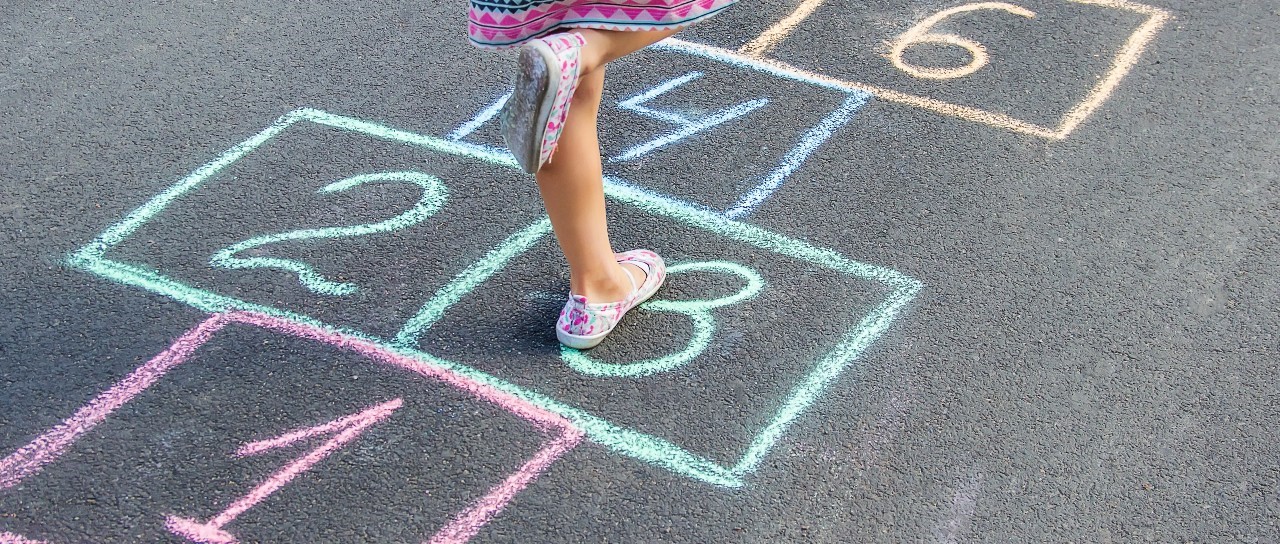
האם למגפה הייתה השפעה על השמנת יתר בקרב ילדים?
נבדק על ידי ד"ר שרה ג'רוויסנכתב על ידי Emily Jane Bashforthפורסם במקור 14 דצמבר 2021
עומד בהנחיות העריכה של Patient
- הורדהורד
- שתף
- Language
- דיון
- Ask Patient
- גרסת שמע
- הוסף למקורות מועדפים בגוגל
היו דיווחים רבים על עלייה ברמות ההשמנה בקרב ילדים לאחר המגפה. נתונים חדשים מראים ששני חמישיות מהילדים בגילאי 10-11 באנגליה סובלים מעודף משקל, מה שעמותת הסוכרת בבריטניה מתארת כ"מדאיג מאוד". בעוד שללא ספק ייקח זמן להבין את ההשפעה האמיתית של COVID-19 על הבריאות הנפשית והפיזית של הילדים, אנו יכולים לחקור כמה מהדרכים שבהן הושפעו משקלם והרגלי האכילה שלהם.
בחירות וידאו עבור מאמרים על מגפותספריית סרטונים
Nikki Joule, Policy Manager at Diabetes UK, says urgent action is needed to improve children's health: children living with השמנת יתר have a significantly higher risk of סוכרת סוג 2, a condition which is known to have more severe and acute consequences in young people.
Have child obesity levels increased following the pandemic?
In short, the answer is: we don't know.
Information on childhood obesity in England is collected yearly through the National Childhood Measurement Programme (NCMP). Their last publication in October 2020 spanned the 2019/2020 school year. But as schools were closed from March-June last year when the country entered its first lockdown, the measurement programme was not carried out in full.
Collecting these data involves measuring the BMI of children in reception and year six. The data are then collated by NHS Digital and published in the autumn. There have been challenges around the use of BMI in children at an individual level, but at a population level it's generally a very effective way to monitor trends in child weight status.
How child obesity could have increased over lockdown
Most of our daily lives faced big changes as the world entered lockdown last year. The country was advised by the government to stay home and restrictions on social gatherings were implemented. Most children started home-schooling, activity clubs were cancelled and playgrounds closed, impacting on children's health in a variety of ways.
Lack of exercise
Children's physical activity certainly decreased during lockdown, as opportunities for exercise and outdoor play were limited. Younger children in particular get most of their physical activity from playing but, with playgrounds closed off, their time spent being active decreased. Families had to find new ways to keep their children active, mostly indoors or (if the family had them) in gardens, but space and options were limited. Opportunities for active travel, such as walking, cycling or scooting to school or nursery also reduced. Not only is this likely to have impacted children's physical health, but also their mental well-being, particularly those with little or no access to outside space.
Reduced income
The pandemic has led to a rise in unemployment levels and a decrease in national income by 20%. By December 2020, almost 9 million people in the UK had to borrow money due to the pandemic.
Reduced household incomes and rising food insecurity from the economic fall-out of COVID-19 may have led to changes in family diets. Families may have also had to make adjustments after losing access to breakfast clubs and free school meals for their children. These changes to family diets are often associated with foods with a higher calorific value and poor nutritional value, because access to healthier food is limited and more expensive.
Caroline Cerny, alliance lead at the Obesity Health Alliance, says an intense focus is needed on closing the gap between the most and the least deprived. This can ensure every child has an equal chance to grow up healthy.
"Childhood obesity rates are twice as high in the most deprived communities compared to the least, highlighting that addressing obesity is key to tackling health inequalities," says Cerny.
Increased snacking
Several surveys have shown adults and young people reporting snacking more in lockdown, and it would not be surprising if this extended to children too. Again, snacks tend to include foods higher in calories, such as crisps, sweets and biscuits.
Additionally, children spent more time in front of screens during lockdown, whether it was watching TV, chatting with friends or studying online. This potentially increased their exposure to adverts for fast food and takeaway and delivery services, influencing young people's food choices and how much they eat.
Has there been an increase in eating disorders?
While lockdowns are likely to have had an effect on young people's eating habits, it's important to recognise the rise in young people seeking help מ eating disorder services.
Research conducted by Bupa UK found:
46% of teens surveyed altered their eating habits during lockdown.
84% admitted to restricting the food they ate for a sense of control.
41% reported the same feeling of control when they ate more.
132% increase for Google searches of 'types of eating disorders' over the last year.
Furthermore, Dr Agnes Ayton of Royal College of Psychiatrists reported that, in her local area of Oxford, the number of patients admitted for urgent inpatient referrals had gone up by 20-80% during the pandemic.
Other colleagues at the RCPCH have raised concerns about a rise in הפרעות אכילה among children during lockdown, as paediatricians noticed a rise in young people presenting with more severe symptoms.
Eating disorders (EDs) are complex mental illnesses that present themselves in countless ways. There is never one single cause, even for people with the same diagnosis. Therefore, the pandemic cannot be held solely responsible for the surge in those seeking treatment, especially as a multitude of factors is likely to have contributed to young people's struggles.
However, the statistics are alarming and the fallout of the pandemic's impact on EDs is likely to be an issue for years to come. The environment of lockdowns and the pandemic generally exacerbated already existing conditions for many with EDs, due to feeling a loss of control, heightened חרדה and panic over all the possible outcomes. Life as we know it changed drastically last year, so many elements could have been possible triggers - these include job losses, בריא יותר, רגשי and illness.
What can be done now?
It will take some time to paint a full picture of the pandemic's impact on children's health, including child obesity levels.
NHS Digital is due to publish NCMP statistics in Autumn, but it is unclear how the data collection will have been affected by school closures in 2021.
One step the government has taken in a bid to improve public health is implementing restrictions on 'junk' food advertising and promotions. They introduced a 9 pm watershed on 'unhealthy' food adverts on TV, and suggested a potential total restriction online.
Cerny supports the new restrictions and watersheds on advertising, saying: "Next we need the government to take stronger action to improve everyday food and drink with a levy on food companies to incentivise them to improve."
Joule goes on to explain how the government's plan to provide tailored weight loss treatment in 15 clinics across the country is an important step in tackling childhood obesity.
"Helping those at high risk can reduce their chances of developing the condition. Children living in the most deprived areas are more than twice as likely to be living with obesity than those in the least deprived, and the pandemic has only exacerbated these inequalities. We hope these clinics will target those most in need of support," they say.
"The environment we live in is a major contributing factor to rising levels of childhood obesity and, for too long, too many children have been exposed to unhealthy food. Measures such as restricting promotion of junk food and ensuring easier access to healthier food are vital if we are to reverse this worrying trajectory, and guarantee healthier futures for the next generation."
When more evidence does come to light about the full impact of lockdown on children's health, evidence-based measures are an important step towards protecting children's health in the longer term. We should also listen to children when they express concerns about their health, and encourage them to talk about worries they have, in safe, non-judgemental environments.
בחירות המטופלים עבור מאמרים על מגפות
COVID-19
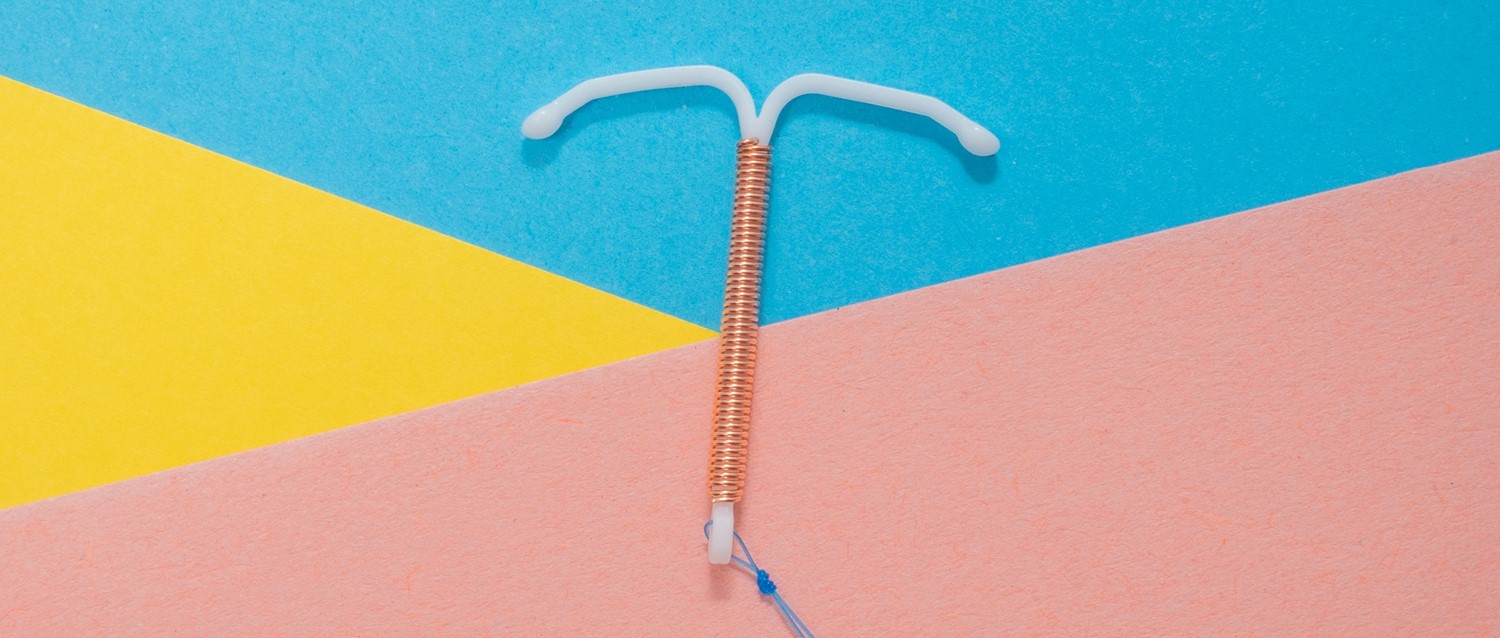
כיצד השפיעה מגפת הקורונה על הגישה לאמצעי מניעה?
We live in a time where multiple contraceptive options mean women should have more control over their sexual health than ever before. But a new report reveals that the COVID-19 pandemic has prevented 1 in 4 women from access to contraception, specifically long-acting reversible contraception. How has this happened, and what can be done to tackle the backlog of demand?
מאת אמברלי דייוויס
COVID-19
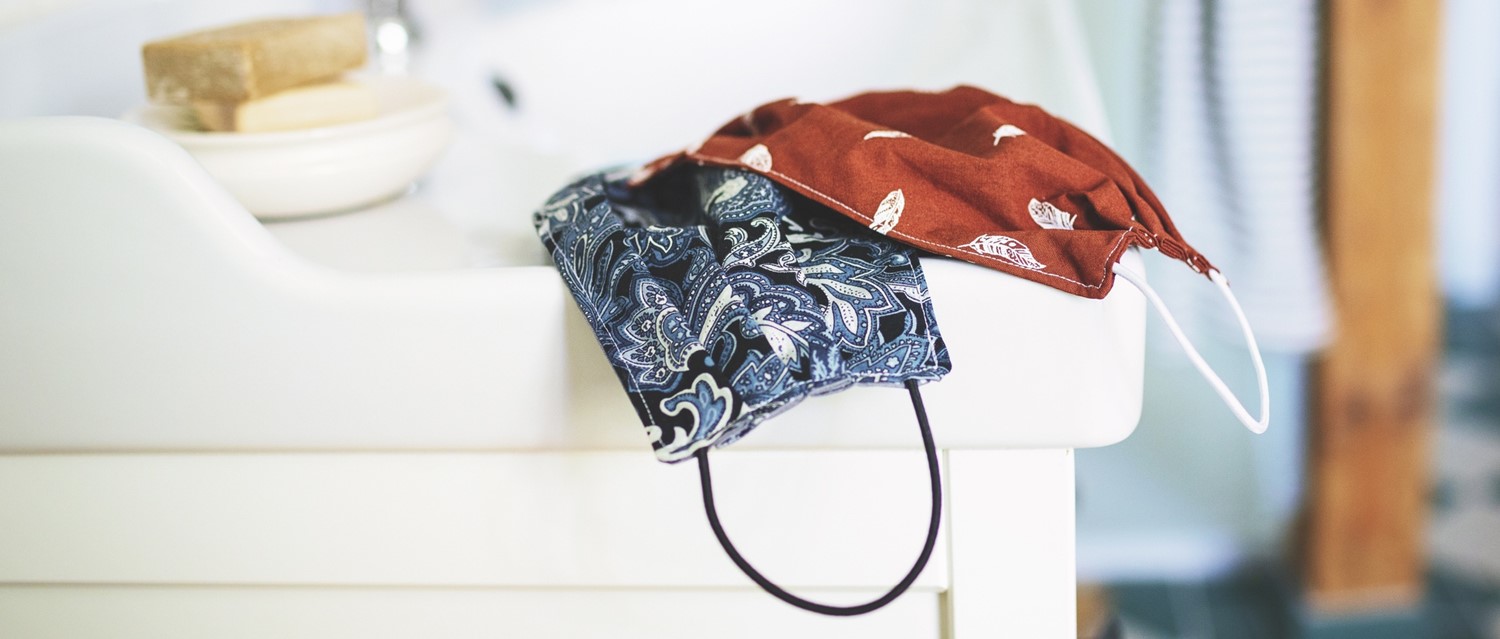
מהם הכללים העדכניים לגבי מסכות פנים בבריטניה?
כאשר הכללים מתרככים מעט בחלקים מסוימים של בריטניה, אמצעים חדשים מוצגים כדי לשמור על בטיחותנו ככל שהחשיפה שלנו לעולם החיצון גדלה. אחד מהאמצעים הללו הוא חבישת מסכה או כיסוי פנים, שבאנגליה הפך לחובה במצבים מסוימים.
מאת מילי אוונס
אודות המחברצפה בפרופיל המלא
נכתב על ידי

Emily Jane Bashforth
כותב תכנים
NCTJ
אמילי היא כותבת תוכן ב-Patient, כותבת מאמרים על מגוון נושאים הקשורים לבריאות ורווחה.
אודות המבקרצפה בפרופיל המלא

Dr Sarah Jarvis
יועץ קליני
MA (Cantab), BM, BCh (Oxon), DRCOG, FRCGP, MBE
לאחר הכשרה ברפואה בקיימברידג' ואוקספורד, ד"ר שרה ג'רוויס MBE הפכה לרופאת משפחה.
שתפו את מחשבותיכם או חוויותיכם עם אחרים ב קהילות המטופלים שלנו.
הירשמו לניוזלטר של פיישנט
המנה השבועית שלך של עצות בריאות ברורות ואמינות - נכתבה כדי לעזור לך להרגיש מעודכן, בטוח ובשליטה.
על ידי הרשמה אתה מקבל את שלנו מדיניות הפרטיות שלנו. באפשרותך לבטל את המנוי בכל עת. לעולם לא נמכור את הנתונים שלך.