מיץ: האם סחיטת פירות וירקות טובה לנו?
נבדק על ידי Dr Krishna Vakharia, MRCGPנכתב על ידי לידיה סמיתפורסם במקור 8 נובמבר 2023
עומד בהנחיות העריכה של Patient
- הורדהורד
- שתף
- Language
- דיון
- גרסת שמע
- הוסף למקורות מועדפים בגוגל
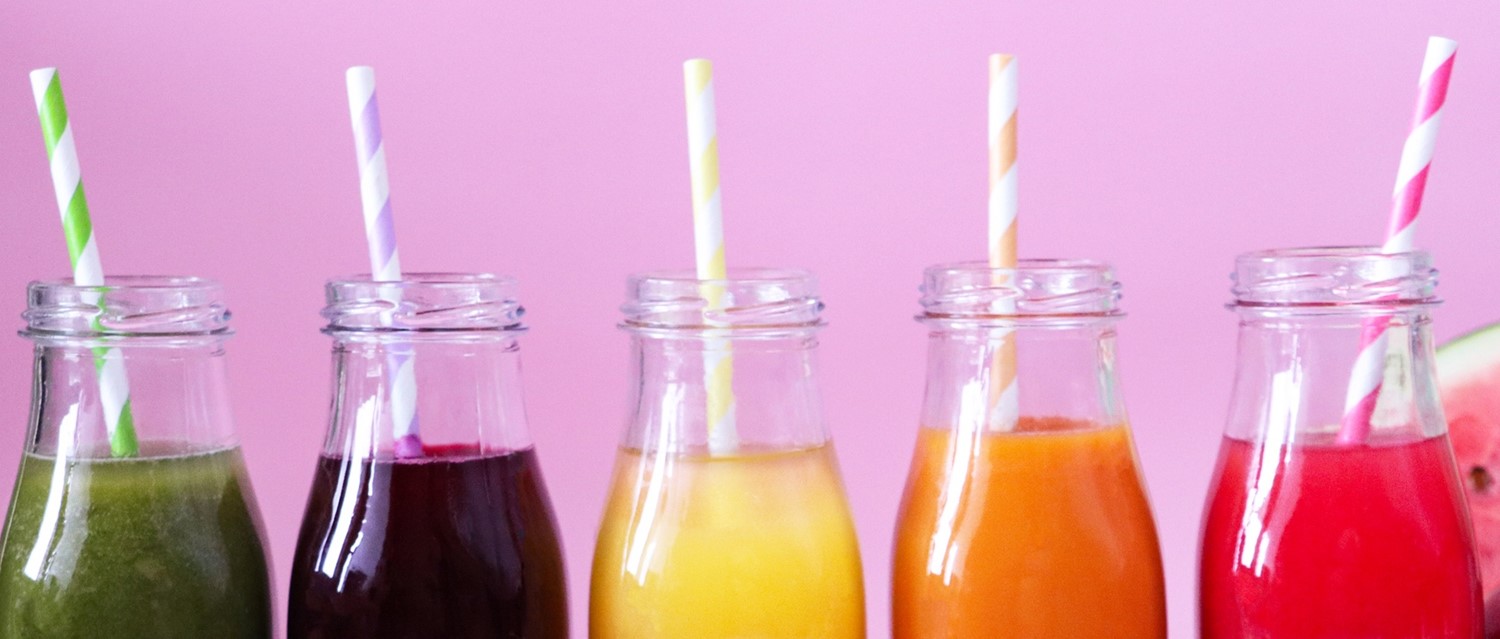
Colourful juices line the shelves of our favourite cafes, promising benefits from better digestion to clearer skin. But is drinking our fruits and vegetables really better for us than just eating them whole?
Juicing - extracting the nutritious juices from fresh fruits and ירקות - has become increasingly popular in recent years.
Usually, juicing gets rid of the solid matter, such as the pulp, and leaves the liquid behind - which contains vitamins, minerals and antioxidants. Antioxidants are substances that may protect your cells against free radicals, which may play a role in מחלת לב, סרטן and other diseases.
Benefits of juicing
ויטמינים ומינרלים
When you’re in a rush or on the move, drinking a fresh juice can be more convenient than trying to peel an orange. Fruits and vegetables are full of ויטמינים, minerals and antioxidants, so drinking the juice can be a good way to add them to your diet - especially if you struggle to eat your 5-a-day.
One study found that supplementing your diet with mixed fruit and vegetable juice over 14 weeks improved levels of beta carotene, vitamin C, vitamin E, selenium, and folate, which are all important nutrients1.
Research also suggests that when consumed in moderation as part of a healthy diet, fruit juice is linked to improved cardiovascular health, reduced risk of שבץ and reduced לחץ דם2.
However, whilst drinking juice in moderation - as part of a healthy diet - may have some health benefits - drinking too much juice may lead to health issues because it tends to contain a lot of sugar.
Downsides of juicing
Missing fibre
When you make juice, you often lose the solid parts of the fruit or vegetable, which is where most of the dietary fibre is found. Fibre is essential for our digestive health, helps to lower cholesterol levels, controls your blood sugar levels3.
Therefore, eating fruits or vegetables whole - for example, snacking on a satsuma rather than having a glass of orange juice - is a better way to get more nutrients as well as סיבים.
High in sugar
Fruit juice is often high in sugar. All fruit contains fructose, a type of sugar. However, juicing releases the sugars in fruit - making them ‘free’ sugars, the type we are advised to cut back on.
Also, because juice contains less סיבים, the sugar is absorbed into the blood more quickly than if you were to eat a piece of fruit. This can lead to increased appetite and sugar cravings, which can lead to eating more sugar and increases your risk of השמנת יתר ו סוכרת סוג 2.
Drinking too much juice can also lead to tooth decay4.
Extra calories
Juice is easy to consume in large quantities, which can mean you’re taking in extra calories, which can lead to weight gain.
Studies suggest that when you drink fruit juice, you do not eat less of other foods - so you may just end up consuming more calories than if you drank water5.
Keeping juice healthy
Drinking juice can come with health benefits if you consume it in moderation - this is around 150 ml of juice per day. Also, how healthy a juice is depends on where it is from. Shop-bought juices may contain more sugar or other additives.
Blending fruits and ירקות - including the solid parts, like the flesh and seeds - into a smoothie may be a better way to up your nutrient intake without losing any fibre.
Juice recipes
Mixing up fruit and vegetables is a good way to cut down on your sugar intake. Use a juicer to blitz together apple, carrot and orange, or add in a handful of raspberries too.
Try a cucumber, apple and spinach juice for a morning pick-me-up, or a fresh ginger, apple and lemon juice for a vitamin boost with a kick.
קריאה נוספת
בחירות המטופלים עבור תזונה
תזונה ודיאטה
מהם היתרונות הבריאותיים של אוכל חריף?
Eating spicy food might have benefits beyond its taste - it could also be good for your health. Let's dig in and find out whether adding a kick to your meals can boost your wellbeing.
מאת ויקטוריה ראו
תזונה ודיאטה
10 יתרונות בריאותיים מפתיעים של כרוב
Cabbage might not look like a superfood, but nutritionally, it punches way above its weight. Often overlooked in favour of trendier greens, this humble crucifer has been fuelling healthy diets for centuries.
מאת הת'ר איינסוורת'
אודות המחברצפה בפרופיל המלא

לידיה סמית
כותב תכנים
BA, MA, MSc
לידיה סמית' היא עיתונאית וסופרת כתבות זוכת פרסים שכתבה בהרחבה על בריאות נשים ובריאות נפשית. היא לומדת כעת לתואר שני בפסיכולוגיה.
אודות המבקרצפה בפרופיל המלא

Dr Krishna Vakharia, MRCGP
קצין רפואה ראשי לבריאות, Optum UK
MBChB, MRCGP(2013), BMedSci (hons), DFSRH, DRCOG, PGDipDerm (Distn)
ד"ר קרישנה וקאריה היא רופאת משפחה ב-NHS. היא גם בוחנת קבועה לדיפלומה לתואר שני בדרמטולוגיה מעשית באוניברסיטת קרדיף וכן משמשת כקצינת הרפואה הראשית לבריאות ב-Optum UK.
היסטוריית המאמר
המידע בעמוד זה נבדק על ידי קלינאים מוסמכים.
המאמר זמין גם ב אנגלית, גרמנית, ספרדית, צרפתית, איטלקית, פורטוגזית, הינדי, עברית, ערבית, and שוודית.
8 נובמבר 2023 | פורסם במקור
נכתב על ידי:
לידיה סמיתנבדק על ידי
Dr Krishna Vakharia, MRCGP

שאלו, שתפו, התחברו.
עיין בדיונים, שאל שאלות ושתף חוויות במאות נושאים בריאותיים.

מרגיש לא טוב?
הערך את הסימפטומים שלך באינטרנט בחינם
הירשמו לניוזלטר של פיישנט
המנה השבועית שלך של עצות בריאות ברורות ואמינות - נכתבה כדי לעזור לך להרגיש מעודכן, בטוח ובשליטה.
על ידי הרשמה אתה מקבל את שלנו מדיניות הפרטיות שלנו. באפשרותך לבטל את המנוי בכל עת. לעולם לא נמכור את הנתונים שלך.
עוד בתזונה ותזונה
- 10 יתרונות בריאותיים מפתיעים של כרוב
- האם תוספי קולגן יכולים לשפר את הבריאות שלך?
- האם קומבוצ'ה יכולה לשפר את הבריאות שלך?
- אכול את דרכך ללב בריא: רעיונות למתכונים טעימים לכל ארוחה
- איך לאכול תזונה צמחונית עשירה בסידן
- איך להיפטר מגזים כלואים: תרופות ביתיות שעובדות
- איך שאתה מכין את האוכל שלך חשוב
- אכילה מודעת: איך להאט וליהנות מהאוכל שלך
- מזונות מעובדים במיוחד: האם חלב ללא חלב כמו שיבולת שועל או סויה טובים לנו?
- מהם היתרונות של פרוביוטיקה לתינוקות?
- מהם היתרונות הבריאותיים של אוכל חריף?
- מה עושה סרום ויטמין C?
- מהי אשוואגנדה? יתרונות בריאותיים, שימושים ותופעות לוואי
- מהי תופעת ה"נשנוש", ומדוע היא משתלטת על המטבחים שלנו?
- מהי הדיאטה האטלנטית?
- אילו מאכלים עוזרים להילחם בזיהום?
- למה לגדל את האוכל שלך לבריאותך?
- מדוע גבינת קוטג' היא הטרנד החדש בדיאטה?
- מדוע מזונות מעובדים במיוחד כל כך ממכרים - וכיצד להפחית בצריכתם
- למה אתה לא צריך לעשות דטוקס