Screens, school, and short-sightedness: 5 ways to protect young eyes
נבדק על ידי Dr Colin Tidy, MRCGPנכתב על ידי Victoria Rawפורסם במקור 3 Sept 2026
עומד בהנחיות העריכה של Patient
- הורדהורד
- שתף
- Language
- דיון
- גרסת שמע
- הוסף למקורות מועדפים בגוגל
With children already spending plenty of time on screens outside school, the return to classroom devices could put even more strain on their eyes.
We spoke to an ophthalmologist about the growing issue of short-sightedness and what you can do to help protect your child’s vision.
Short-sightedness is on the rise
After a long summer break, kids are heading back to school and turning their attention to learning. But more time in the classroom means more time in front of screens.
Short-sightedness (myopia) is becoming increasingly common, with rates among UK children now around double those seen in the 1960s. By 2050, researchers estimate that half of the world’s population could be affected.
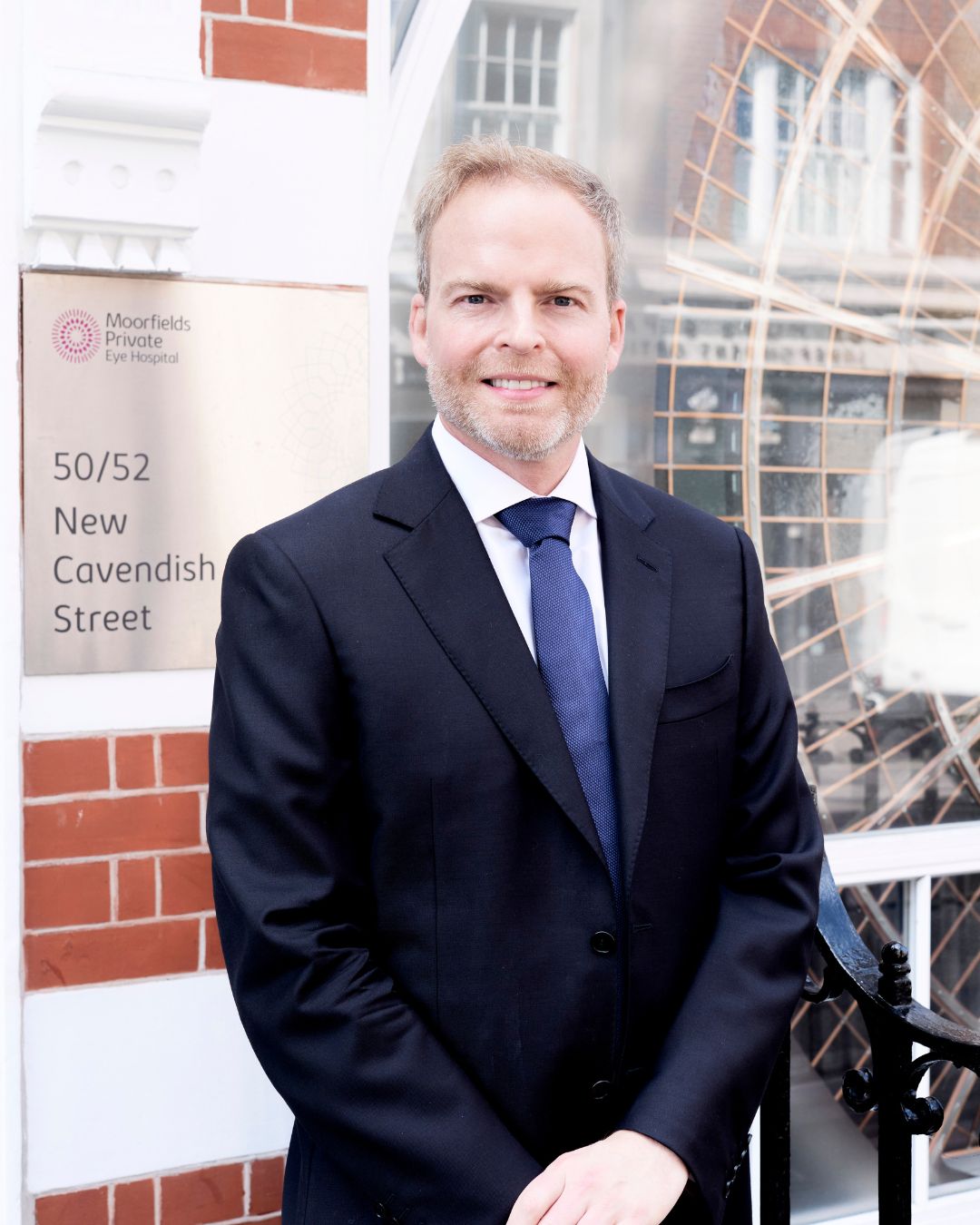
Mr Alex Day is a Consultant Ophthalmologist at Moorfields Eye Hospital in London. He says that as childhood short-sightedness continues to rise, parents should be mindful of how modern devices may be affecting their children’s eye health - and the potential long-term consequences.
"The digital age has transformed the way our children learn and play,” Day explains. “But we're now seeing a dramatic rise in myopia, and children are becoming short-sighted at younger ages.
"The earlier it starts, the further it tends to progress, so early action really matters."
Mr Alex Day
Why are more children becoming short-sighted?
Short-sightedness happens when your eye focuses light in the wrong place. Instead of focusing directly on the retina - the light-sensitive layer at the back of your eye that sends visual information to your brain - the light focuses slightly in front of it, making distant objects appear blurry.
It usually develops during childhood or your teenage years and often runs in families. The most common sign of short-sightedness is being able to see close-up, but struggling to see things clearly in the distance.
There are several ways to improve vision affected by myopia - including glasses, contact lenses, and, in some cases, laser eye surgery.
According to Day, however, childhood myopia is not just about needing glasses.
“A myopic eye is an eye that has grown too long,” he warns. “The higher the prescription, the higher the lifetime risk of sight-threatening conditions in adulthood, such as retinal detachment, glaucoma, myopic macular degeneration, and earlier cataract.
"These are not minor concerns. Every dioptre of myopia progression we prevent in childhood reduces the chance of serious eye disease decades later."
How the pandemic changed children’s screen habits
Spending long periods looking at screens up close may increase your risk of developing short-sightedness. Prolonged close-up focusing can put strain on your eyes and may be linked to your eyeball becoming more elongated.
Day explains that the COVID-19 pandemic accelerated the shift towards greater screen use, as children spent more time indoors, and home schooling increased their reliance on devices for learning.
“Studies of children confined to home schooling in 2020 recorded a sharp jump in short-sightedness,” he says. “One large study found myopia in six-year-olds at roughly three times the rate of previous years.”
Day adds that there are two well-established environmental risk factors for myopia - spending too little time outdoors in daylight and having long, uninterrupted periods of close-up work.
Both can become more of an issue during a screen-heavy school term.
5 ways to help protect your child’s eyesight
If you’re a parent worried about the effect of prolonged screen use on your child’s vision, there are steps you can take to help manage myopia. Acting early could slow its progression by around a third to a half or more, says the eye surgeon.
Treatments such as low-dose atropine eye drops, specially designed myopia-control glasses, contact lenses, and overnight lenses that gently reshape the cornea (orthokeratology) can help slow the condition. However, Day also recommends several other ways you can help protect your child’s eyesight.
כוללים:
Make time for the outdoors - aim for at least two hours outside in daylight each day. This is the best-evidenced way to delay or help prevent myopia from developing.
Give their eyes a break - follow the 20-20-20 rule. Every 20 minutes, encourage your child to look at something around 20 feet away for 20 seconds. It’s also a good idea to keep books and screens at least 30 centimetres away when reading.
Keep screen time in check - try to keep recreational screen time below two hours a day, in line with international guidance, and ideally less for school-age children. It’s also best to keep screens out of the bedroom at night.
Book a sight test - NHS sight tests are free for children. Arrange their first full test at around four to five years old, when they start school, or sooner if you have any concerns. Look out for signs such as squinting, sitting very close to the TV, or struggling to see the board at school.
Talk to an eye-care professional - if your child is already short-sighted, ask your optometrist or ophthalmologist about treatments that can help slow it down, rather than simply updating their glasses each year.
"More and more children are becoming short-sighted, and at younger ages," Day concludes. "We must encourage outdoor activities such as sports, reduce screen use, and stay proactive about vision checks. If your child is already myopic, ask about treatment to slow it down.
"Protecting your child's eyesight now can help avoid major eye health issues later in life."
בחירות המטופלים עבור בריאות העין
בריאות העין
הבטיחו את ראייתכם לעתיד: מדוע העיניים שלכם זקוקות לתוכנית ארוכת טווח
It’s a fact of life that, as we age, certain bodily functions naturally change - and eyesight is one of them. While many factors affect eye health and not all are within our control, simple healthy habits can help keep your vision strong for longer. Caring for your eyes as you get older can make a big difference in keeping you active, independent, and able to do what you love.
מאת ויקטוריה ראו

בריאות העין
למה הראייה שלי גרועה יותר כשאני נוהג בלילה?
If you’re finding it harder to drive at night, there may be a reason. While external factors can affect night-time vision, this article explores other possible causes - and what you can do to support your eye health and feel more confident on the road after dark.
מאת ויקטוריה ראו
אודות המחברצפה בפרופיל המלא
נכתב על ידי

Victoria Raw
כותב תכנים
תואר ראשון (בהצטיינות), ספרות אנגלית
ויקטוריה היא כותבת תוכן ב-Patient, ותחומי העניין המיוחדים שלה כוללים רווחה נפשית, מגמות חברתיות והשפעת הטכנולוגיה על בריאותנו.
אודות המבקרצפה בפרופיל המלא

Dr Colin Tidy, MRCGP
רופא כללי, מחבר רפואי
MBBS, MRCGP, MRCP (Paediatrics), DCH
ד"ר קולין טיידי הוא רופא ב-NHS, הממוקם באוקספורדשייר.
הצטרפו לשיחה
שתפו את מחשבותיכם או חוויותיכם עם אחרים ב קהילות המטופלים שלנו.

שאלו, שתפו, התחברו.
עיין בדיונים, שאל שאלות ושתף חוויות במאות נושאים בריאותיים.

מרגיש לא טוב?
הערך את הסימפטומים שלך באינטרנט בחינם
הירשמו לניוזלטר של פיישנט
המנה השבועית שלך של עצות בריאות ברורות ואמינות - נכתבה כדי לעזור לך להרגיש מעודכן, בטוח ובשליטה.
על ידי הרשמה אתה מקבל את שלנו מדיניות הפרטיות שלנו. באפשרותך לבטל את המנוי בכל עת. לעולם לא נמכור את הנתונים שלך.