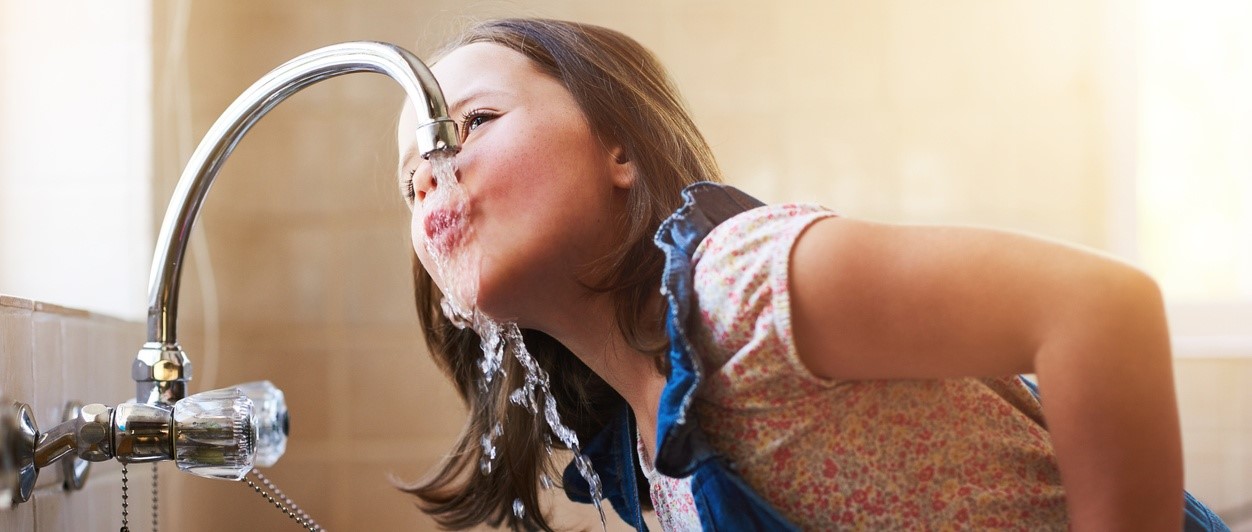
איכות המים בבריטניה חלק 1 – האם מי הברז בטוחים?
נבדק על ידי Dr Krishna Vakharia, MRCGPנכתב על ידי Amberley Davisפורסם במקור 17 Oct 2023
עומד בהנחיות העריכה של Patient
- הורדהורד
- שתף
- Language
- דיון
- גרסת שמע
- הוסף למקורות מועדפים בגוגל
We drink it every day, and sometimes we swim in it. Access to clean water is a fundamental human right, but growing concerns over sewage pollution have shone a spotlight on UK water. From impurities in drinking water to pollutants in our rivers and seas, we find out how the UK cleans up.
In part 1 of this series, we start in the home and explore the potential safety concerns of our tap water.
Water quality in the UK
You've likely been told to drink plenty of water. This life-sustaining liquid fuels our bodies and minds and helps prevent many health problems. Without it, the average person would die within three days. Yet, water can also carry substances that harm us and make us ill. To prevent this, authorities treat water before it can be drunk and manage common pollutants.
Nutritionist Gabi Zaromskyte helps us explore drinking water safety here in part 1 of our UK water quality series. In part 2, we travel out the home and into our rivers and seas to discover the state of water pollution.
What's in tap water?
The UK has stringent water quality standards to protect your safety, and your tap water is filtered of toxins in treatment plants before it reaches your home. This doesn't totally get rid of all impurities in the water - but the amounts left in are generally considered safe in the UK.
In fact, the UK is one of only six nations worldwide to achieve the maximum score possible for drinking water sanitation in the 2022 Environmental Performance Index1.
When it reaches our homes, nutritionist Gabi explains that water can still carry:
Traces of impurities - Chemicals such as chlorine, limescale, and copper are toxic to the body in large amounts, but the small amounts in drinking water are generally considered safe. In fact, the appropriate amount of chlorine works as a disinfectant, helping to keep your water safe from germs2.
Lead contamination - Older homes with lead plumbing may experience lead leaching into tap water. Too much exposure to lead can hinder mental development in babies and affect the brain, heart, and kidneys in adults3.
Added fluoride - Many UK water suppliers add fluoride to tap water to improve dental health and reduce tooth decay. While the practice is considered safe and effective, some regional areas may naturally have higher water fluoride levels. In rare cases, long-term excessive fluoride intake can lead to skeletal fluorosis - a serious condition of the bones.
Environmental contaminants - Substances that seep into our water sources from the environment, such as nitrates from agricultural run-off or sewage contamination, are mostly removed in treatment plants. However, it's important that we try to limit contamination as much as possible at the source.
Should you filter tap water?
UK tap water shouldn't make you ill because harmful levels of toxins have been filtered out before it reaches your taps. However, domestic water filters claim to remove many of the remaining impurities and improve taste.
The levels of both beneficial and un-beneficial substances in your water will depend on where you live. Also, different filters have different functions - no single water filter can get rid of every type of contaminant. It's also worth noting that water filters can remove minerals that are good for you, like calcium, magnesium, and fluoride which support healthy bones and teeth2.
ה World Health Organization (WHO) סובלים מ rated a range of water filter brands based on how good they are at keeping out bacteria.
Water filters could help people with sensitivities to chlorine or who have weakened immune systems and are therefore more vulnerable to the effects of bad bacteria.
Hard water vs soft water
"The choice between hard and soft water largely depends on personal preference and regional water quality," says Gabi. "Both types are generally safe for consumption, and for most people any potential health effects are relatively minor."
The hardness or softness of water depends on its mineral content. Gabi says: "Hard water contains higher levels of essential minerals like calcium ו magnesium, which contribute to your daily mineral intake. Soft water has a lower mineral content and tends to have higher concentrations of salt."
From a dietary perspective, this makes hard water slightly healthier, but if you eat enough calcium and magnesium through a healthy diet, the levels in your water are unlikely to make a difference.
However, if you are more vulnerable to heart related diseases like לחץ דם גבוה, there's some evidence that living in regions with hard water may offer some protection4. It's thought that this might be because soft water contains more salt and causes more stiffness in your arteries5. More robust research is needed, and your diet and lifestyle are considered to be by far the most important factors for בריאות הלב.
Nitrates in drinking water and bowel cancer
There's a great deal of interest in the potential link between nitrates in drinking water and סרטן המעי risk - but more research is needed.
"Nitrates are chemical compounds that can be found in groundwater and surface water due to agricultural runoff, sewage contamination, and other sources," says Gabi. "Our bodies convert nitrates to nitrites, which can lead to the formation of nitrosamines in the gut."
Nitrosamines are common in both food and water, but some experts believe that high levels caused by prolonged nitrate exposure may increase a person's cancer risk. One study in New Zealand suggested that high levels of nitrates in drinking water may be contributing to their national cases of bowel cancer6.
So how much nitrate in our drinking water is too much? The UK standard is based on WHO's guidance for safe nitrate levels, which is up to 50 mg per litre7. Drinking levels below 50mg/L do not appear to cause common health problems associated with ingesting toxins, including thyroid problems and infant methemoglobinemia - a very rare condition where toxins lower blood oxygen levels in babies. Critics, however, argue that these guidelines don't take long-term cancer risk into account6.
"Nonetheless, it's important to know that the potential risk appears to be associated with long-term exposure to high levels of nitrates," Gabi adds. "Moreover, bowel cancer is a complex disease influenced by multiple factors, including genetics, diet, lifestyle, and other environmental exposures." It"s therefore difficult to know the effects of drinking water nitrates in isolation.
It's good to know about the trace toxins in our tap water, but bear in mind that UK tap water is considered to be among the most sanitised and safe in the world. Further research into the potential toxic affect of nitrates and other substances, at certain levels, can help to maintain or improve our water quality standard in the future.
קריאה נוספת
בחירות המטופלים עבור תנאי סביבה
בריאות כללית ואורח חיים
טיפים שימושיים להפחתת בזבוז מזון
In the UK, each person wastes around 100 kg of food on average every year. Throwing away uneaten food is bad for both people and planet, but there are steps you can take at home to reduce food waste and protect public health both in the present and in the future.
מאת אמברלי דייוויס
בריאות כללית ואורח חיים
כיצד שינויי האקלים משפיעים על בריאות הנפש?
From extreme weather events to TV and social media news stories, the climate change crisis touches everyone's lives in one form or another. How is this affecting our mental well-being? And how can we try to stay positive in an increasingly negative world?
מאת אמברלי דייוויס
אודות המחברצפה בפרופיל המלא

אמברלי דייוויס
כותב בכיר
BA (Hons), CPD
אמברלי היא כותבת בכירה ב-Patient וכתבה בהרחבה על מגוון נושאים בתחום הבריאות והרווחה.
אודות המבקרצפה בפרופיל המלא

Dr Krishna Vakharia, MRCGP
קצין רפואה ראשי לבריאות, Optum UK
MBChB, MRCGP(2013), BMedSci (hons), DFSRH, DRCOG, PGDipDerm (Distn)
ד"ר קרישנה וקאריה היא רופאת משפחה ב-NHS. היא גם בוחנת קבועה לדיפלומה לתואר שני בדרמטולוגיה מעשית באוניברסיטת קרדיף וכן משמשת כקצינת הרפואה הראשית לבריאות ב-Optum UK.
היסטוריית המאמר
המידע בעמוד זה נבדק על ידי קלינאים מוסמכים.
המאמר זמין גם ב אנגלית, גרמנית, ספרדית, צרפתית, איטלקית, פורטוגזית, הינדי, עברית, ערבית, and שוודית.
17 Oct 2023 | פורסם במקור
נכתב על ידי:
אמברלי דייוויסנבדק על ידי
Dr Krishna Vakharia, MRCGP

שאלו, שתפו, התחברו.
עיין בדיונים, שאל שאלות ושתף חוויות במאות נושאים בריאותיים.

מרגיש לא טוב?
הערך את הסימפטומים שלך באינטרנט בחינם
הירשמו לניוזלטר של פיישנט
המנה השבועית שלך של עצות בריאות ברורות ואמינות - נכתבה כדי לעזור לך להרגיש מעודכן, בטוח ובשליטה.
על ידי הרשמה אתה מקבל את שלנו מדיניות הפרטיות שלנו. באפשרותך לבטל את המנוי בכל עת. לעולם לא נמכור את הנתונים שלך.
עוד בבריאות כללית ואורח חיים
- האם קישוטי חג המולד שלך מעוררים את האלרגיות שלך?
- האם רוקח יכול לרשום אנטיביוטיקה?
- האם הרוקח שלך יכול לעזור לך עם הבריאות המינית שלך?
- Cost of living crisis: is our health paying the price?
- האם אבחון עצמי עובד ומהם הסיכונים?
- בריאות הנפש ועבודה: האם זה משפיע על הקריירה שלך?
- שנה חדשה, אני חדש: למה להמציא את עצמך מחדש ב-2025 עלול להזיק לבריאות הנפש שלך
- שירות הבריאות הלאומי פותח מרפאות ללא תור לניצולות מילת נשים
- השמנת יתר מואשמת במיעוט תורמי איברים כשירים
- עמיתי רופאים ב-NHS: הבנת התפקיד, הדיון וזכויותיך כמטופל
- חלבונים מהצומח עשויים לסייע במניעת לחץ דם גבוה
- גאווה, שייכות, ולמה בריאות היא יותר מרק שירותי בריאות
- שמרו על כושר בבית: רעיונות לאימוני חורף שניתן לעשות בבית
- מה ניתן לעשות כדי לסייע במניעת דלקת פרקים?
- מהו חיוך פרוסקו? טיפים לשמירה על השיניים בחג המולד הזה
- מהי עוני אנרגיה וכיצד הוא משפיע על בריאותנו?
- מהי פרמקראיסיס, ומה ההשפעה שלה על הבריאות הנפשית שלנו?
- מה ההשפעה הבריאותית של חומרי הדברה?
- מדוע אנחנו מרגישים חרדה כשאנחנו מתקשרים להודיע על מחלה בעבודה כשאנחנו באמת לא מרגישים טוב?