Adult polyglucosan body disease
עודכן לאחרונה 18 Aug 2020
עומד בהנחיות העריכה של Patient
- הורדהורד
- שתף
- Language
- דיון
- Ask Patient
- גרסת שמע
- הוסף למקורות מועדפים בגוגל
Adult polyglucosan body disease (APBD) is a condition that affects the nervous system. People with APBD typically first experience signs and symptoms related to the condition between ages 35 and 60. Initial symptoms of the disorder include numbness and tingling in the legs (peripheral neuropathy) and progressive muscle weakness and stiffness (spasticity). As a result, affected individuals can have an unsteady gait, poor balance, and an increased risk of falling.
בחירות וידאו עבור Genetic conditionsספריית סרטונים
תיאור
Adult polyglucosan body disease (APBD) is a condition that affects the nervous system. People with APBD typically first experience signs and symptoms related to the condition between ages 35 and 60. Initial symptoms of the disorder include numbness and tingling in the legs (peripheral neuropathy) and progressive muscle weakness and stiffness (spasticity). As a result, affected individuals can have an unsteady gait, poor balance, and an increased risk of falling.
Damage to the nerves that control bladder function, a condition called neurogenic bladder, is another feature that often occurs early in the course of APBD. Affected individuals have increasing difficulty starting or stopping the flow of urine.
Eventually, most people with APBD lose the ability to control their bladder and bowel functions and their limbs. Damage to the autonomic nervous system, which controls body functions that are mostly involuntary, leads to problems with blood pressure, heart rate, breathing rate, digestion, temperature regulation, and sexual response, and results in daily bouts of exhaustion. About half of people with APBD experience a decline in intellectual function (dementia).
Inheritance patterns
The source lists the following possible inheritance patterns: Autosomal recessive. More than one pattern can apply in different cases.
Related genes
Other names
APBD
Polyglucosan body disease, adult form
Related patient information and medicines

Patient information leaflet
מחלת צליאק
מחלת צליאק (also spelled celiac disease) mainly affects the part of the gut called the small intestine. Coeliac disease is caused by a reaction of the gut to gluten. What is coeliac disease. Delayed puberty can also be caused by untreated coeliac disease. Common symptoms of coeliac disease in adults are: Anaemia Iron-deficiency anaemia due to.

Patient information leaflet
מחלת כליות סוכרתית
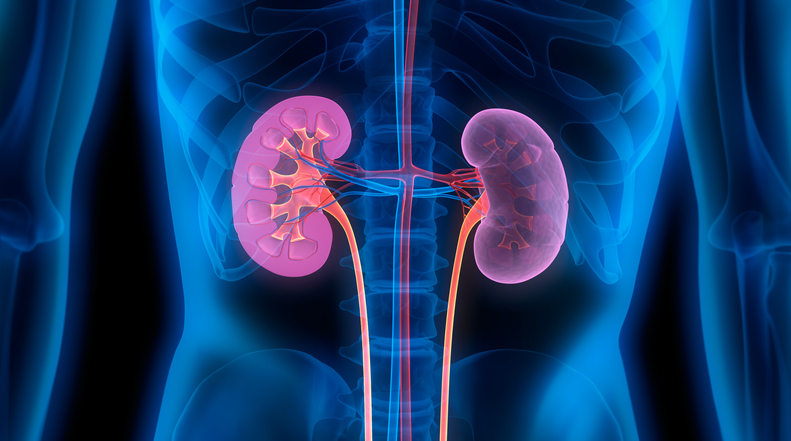
מחלת כליות סוכרתית is a complication that occurs in some people with diabetes. Treatment aims to prevent or delay the progression of the disease. Also, it aims to reduce the risk of develo... What is diabetic kidney disease. Diabetic kidney disease (diabetic nephropathy) is a complication that occurs in some people with diabetes. Diabetic.
Patient information leaflet
מחלת כליות כרונית
Chronic kidney disease means that the kidneys are not working as well as would be expected. Various conditions can cause chronic kidney disease. PatientPicksPlaceholder What causes chronic kidney disease. A number of conditions can cause long-term damage to the kidneys and affect their function, leading to chronic kidney disease. The three most.

Patient information leaflet
מחלת כבד שומני שאינה נגרמת מאלכוהול
מחלת כבד שומני שאינה נגרמת מאלכוהול (NAFLD) describes a range of conditions caused by a build-up of fat within liver cells. It is very common and in many cases is linked to being obese or overweight. How common is non-alcoholic fatty liver disease. NAFLD is the most common persistent (chronic) כבד disorder in western countries such as the UK. It.

Patient information leaflet
מחלת וילסון
מחלת וילסון is a genetic disorder in which copper builds up in the body, mainly in the liver and brain. Without any treatment, the build-up of copper can cause serious symptoms. Treatment is with medication to remove the excess copper and/or to prevent a further build-up of copper. What is Wilson's disease. מחלת וילסון is a condition.

Patient information leaflet
מחלת קרוהן
מחלת קרוהן is a condition that causes inflammation of the wall of the gut (gastrointestinal tract). Any part of the gut can be affected. What is Crohn's disease. Crohn's disease is a condition that causes inflammation of the wall of the gut (gastrointestinal tract). Any part of the gut can be affected. However, the most common site for the.
קריאה נוספת והפניות
- Adult polyglucosan body disease; MedlinePlus, National Library of Medicine.
- Akman HO, Lossos A, Kakhlon O. GBE1 Adult Polyglucosan Body Disease. 2009 Apr 2 [updated 2020 Sep 17]. In: Adam MP, Bick S, Mirzaa GM, Wallace SE, Amemiya A, editors. GeneReviews(R) [Internet]. Seattle (WA): University of Washington, Seattle; 1993-2026. Available from http://www.ncbi.nlm.nih.gov/books/NBK5300/
- Hellmann MA, Kakhlon O, Landau EH, Sadeh M, Giladi N, Schlesinger I, Kidron D, Abramsky O, Reches A, Argov Z, Rabey JM, Chapman J, Rosenmann H, Gal A, Moshe Gomori J, Meiner V, Lossos A. Frequent misdiagnosis of adult polyglucosan body disease. J Neurol. 2015 Oct;262(10):2346-51. doi: 10.1007/s00415-015-7859-4. Epub 2015 Jul 21.
- Klein CJ, Boes CJ, Chapin JE, Lynch CD, Campeau NG, Dyck PJ, Dyck PJ. Adult polyglucosan body disease: case description of an expanding genetic and clinical syndrome. Muscle Nerve. 2004 Feb;29(2):323-8. doi: 10.1002/mus.10520.
- Kohler W, Curiel J, Vanderver A. Adulthood leukodystrophies. Nat Rev Neurol. 2018 Feb;14(2):94-105. doi: 10.1038/nrneurol.2017.175. Epub 2018 Jan 5.
- Lossos A, Meiner Z, Barash V, Soffer D, Schlesinger I, Abramsky O, Argov Z, Shpitzen S, Meiner V. Adult polyglucosan body disease in Ashkenazi Jewish patients carrying the Tyr329Ser mutation in the glycogen-branching enzyme gene. Ann Neurol. 1998 Dec;44(6):867-72. doi: 10.1002/ana.410440604.
- Massa R, Bruno C, Martorana A, de Stefano N, van Diggelen OP, Federico A. Adult polyglucosan body disease: proton magnetic resonance spectroscopy of the brain and novel mutation in the GBE1 gene. Muscle Nerve. 2008 Apr;37(4):530-6. doi: 10.1002/mus.20916.
- Milde P, Guccion JG, Kelly J, Locatelli E, Jones RV. Adult polyglucosan body disease. Arch Pathol Lab Med. 2001 Apr;125(4):519-22. doi: 10.5858/2001-125-0519-APBD.
- Mochel F, Schiffmann R, Steenweg ME, Akman HO, Wallace M, Sedel F, Laforet P, Levy R, Powers JM, Demeret S, Maisonobe T, Froissart R, Da Nobrega BB, Fogel BL, Natowicz MR, Lubetzki C, Durr A, Brice A, Rosenmann H, Barash V, Kakhlon O, Gomori JM, van der Knaap MS, Lossos A. Adult polyglucosan body disease: Natural History and Key Magnetic Resonance Imaging Findings. Ann Neurol. 2012 Sep;72(3):433-41. doi: 10.1002/ana.23598.
- Savage G, Ray F, Halmagyi M, Blazely A, Harper C. Stable neuropsychological deficits in adult polyglucosan body disease. J Clin Neurosci. 2007 May;14(5):473-7. doi: 10.1016/j.jocn.2006.03.001. Epub 2006 May 30.
- Sindern E, Ziemssen F, Ziemssen T, Podskarbi T, Shin Y, Brasch F, Muller KM, Schroder JM, Malin JP, Vorgerd M. Adult polyglucosan body disease: a postmortem correlation study. Neurology. 2003 Jul 22;61(2):263-5. doi: 10.1212/01.wnl.0000073144.96680.cb.
שתפו את מחשבותיכם או חוויותיכם עם אחרים ב קהילות המטופלים שלנו.
גישה פשוטה לטיפולים ושירותי בריאות אמינים באינטרנט.
Common conditions
Get help with common conditions through the NHS, without a GP appointment.





הירשמו לניוזלטר של פיישנט
המנה השבועית שלך של עצות בריאות ברורות ואמינות - נכתבה כדי לעזור לך להרגיש מעודכן, בטוח ובשליטה.
על ידי הרשמה אתה מקבל את שלנו מדיניות הפרטיות שלנו. באפשרותך לבטל את המנוי בכל עת. לעולם לא נמכור את הנתונים שלך.