Dihydropyrimidine dehydrogenase deficiency
עודכן לאחרונה 18 Aug 2020
עומד בהנחיות העריכה של Patient
- הורדהורד
- שתף
- Language
- דיון
- גרסת שמע
- הוסף למקורות מועדפים בגוגל
Dihydropyrimidine dehydrogenase deficiency is a disorder characterised by a wide range of severity, with neurological problems in some individuals and no signs or symptoms in others.
תיאור
Dihydropyrimidine dehydrogenase deficiency is a disorder characterised by a wide range of severity, with neurological problems in some individuals and no signs or symptoms in others.
In people with severe dihydropyrimidine dehydrogenase deficiency, the disorder becomes apparent in infancy. These affected individuals have neurological problems such as recurrent seizures (epilepsy), intellectual disability, a small head size (microcephaly), increased muscle tone (hypertonia), delayed development of motor skills such as walking, and autistic behaviors that affect communication and social interaction. Other affected individuals are asymptomatic, which means they do not have any signs or symptoms of the condition. Individuals with asymptomatic dihydropyrimidine dehydrogenase deficiency may be identified only by laboratory testing.
People with dihydropyrimidine dehydrogenase deficiency, including those who otherwise exhibit no symptoms, are vulnerable to severe, potentially life-threatening toxic reactions to certain drugs called fluoropyrimidines that are used to treat cancer. Common examples of these drugs are 5-fluorouracil and capecitabine. These drugs are not broken down efficiently by people with dihydropyrimidine dehydrogenase deficiency and build up to toxic levels in the body (fluoropyrimidine toxicity). Severe inflammation and ulceration of the lining of the gastrointestinal tract (mucositis) may occur, which can lead to signs and symptoms including mouth sores, abdominal pain, bleeding, nausea, vomiting, and diarrhea. Fluoropyrimidine toxicity may also lead to low numbers of white blood cells (neutropenia), which increases the risk of infections. It can also be associated with low numbers of platelets in the blood (thrombocytopenia), which impairs blood clotting and may lead to abnormal bleeding (hemorrhage). Redness, swelling, numbness, and peeling of the skin on the palms and soles (hand-foot syndrome); shortness of breath; and hair loss may also occur.
Inheritance patterns
The source lists the following possible inheritance patterns: Autosomal recessive; Autosomal dominant. More than one pattern can apply in different cases.
Related genes
Other names
Dihydropyrimidinuria
DPD deficiency
Familial pyrimidemia
Hereditary thymine-uraciluria
Related patient information and medicines

Patient information leaflet
בדיקת דם ליילוד
Mothers of all newborn babies are offered testing for certain rare but serious health conditions by testing blood taken from the baby's heel. Medium-chain acyl-Co-A dehydrogenase deficiency (MCADD)- this is a very rare, but potentially life-threatening, inherited disorder, where fat cannot be broken down by the body as well as usual. Babies with.

Patient information leaflet
צהבת
Jaundice means that the skin and other body parts turn a yellow colour. It is vital to diagnose the cause of jaundice and therefore important to always seek medical help. This inc... Conditions that cause an increased rate of breakdown of red blood cells include: Some genetic diseases, such as sickle cell anaemia , thalassaemia , spherocytosis,.
Patient information leaflet
שיגדון
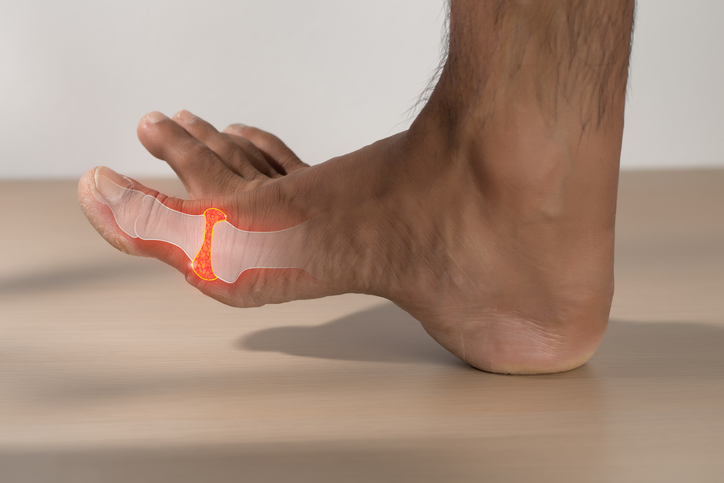
What causes gout. Gout is caused by כ chemical in the blood, called uric acid (urate). Uric acid is usually harmless and is made in the body. Most is passed out with the urine and some from the gut with the stools. Lipid disorders (especially hypertriglyceridaemia). Vascular disease. Enzyme defects such as hypoxanthine guanine.

Patient information leaflet
האם אני יכול לקחת ציפורן השטן וויטמין C יחד?
Kidney stones (oxalate) High doses of vitamin C can increase the amount of oxalate in your urine, significantly raising the risk of developing kidney stones, especially if you have a history of them. G6PD deficiency If you סובלים מ glucose-6-phosphate dehydrogenase (G6PD) deficiency, high doses of vitamin C can cause your red blood cells to break down.

Patient information leaflet
האם אני יכול לקחת גלוקוזאמין וויטמין C יחד?
Diabetes Glucosamine is an amino sugar and may affect your blood glucose levels. Kidney stones (oxalate) High doses of Vitamin C (typically over 1000mg daily) can increase the amount of oxalate in your urine, significantly raising the risk of developing kidney ston... חוסר ב-G6PD אם יש לך glucose-6-phosphate dehydrogenase (G6PD) deficiency,.

Patient information leaflet
האם אני יכול לקחת ג'ינג'ר וויטמין C יחד?
Kidney stones (Calcium oxalate) High doses of Vitamin C can significantly increase the amount of oxalate in your urine, which may lead to the formation of kidney stones, especially if you have a history of them. G6PD deficiency If you have glucose-6-phosphate dehydrogenase (G6PD) deficiency, high doses of vitamin C can cause your red blood cells.
קריאה נוספת והפניות
- Dihydropyrimidine dehydrogenase deficiency; MedlinePlus, National Library of Medicine.
- Al-Sanna'a NA, Van Kuilenburg AB, Atrak TM, Abdul-Jabbar MA, Van Gennip AH. Dihydropyrimidine dehydrogenase deficiency presenting at birth. J Inherit Metab Dis. 2005;28(5):793-6. doi: 10.1007/s10545-005-4218-0.
- Caudle KE, Thorn CF, Klein TE, Swen JJ, McLeod HL, Diasio RB, Schwab M. Clinical Pharmacogenetics Implementation Consortium guidelines for dihydropyrimidine dehydrogenase genotype and fluoropyrimidine dosing. Clin Pharmacol Ther. 2013 Dec;94(6):640-5. doi: 10.1038/clpt.2013.172. Epub 2013 Aug 29.
- Ciccolini J, Gross E, Dahan L, Lacarelle B, Mercier C. Routine dihydropyrimidine dehydrogenase testing for anticipating 5-fluorouracil-related severe toxicities: hype or hope? Clin Colorectal Cancer. 2010 Oct;9(4):224-8. doi: 10.3816/CCC.2010.n.033.
- Mattison LK, Fourie J, Desmond RA, Modak A, Saif MW, Diasio RB. Increased prevalence of dihydropyrimidine dehydrogenase deficiency in African-Americans compared with Caucasians. Clin Cancer Res. 2006 Sep 15;12(18):5491-5. doi: 10.1158/1078-0432.CCR-06-0747.
- Saif MW, Mattison L, Carollo T, Ezzeldin H, Diasio RB. Dihydropyrimidine dehydrogenase deficiency in an Indian population. Cancer Chemother Pharmacol. 2006 Sep;58(3):396-401. doi: 10.1007/s00280-005-0174-5. Epub 2006 Jan 19.
- van Kuilenburg AB, De Abreu RA, van Gennip AH. Pharmacogenetic and clinical aspects of dihydropyrimidine dehydrogenase deficiency. Ann Clin Biochem. 2003 Jan;40(Pt 1):41-5. doi: 10.1258/000456303321016150.
- van Kuilenburg AB, Dobritzsch D, Meinsma R, Haasjes J, Waterham HR, Nowaczyk MJ, Maropoulos GD, Hein G, Kalhoff H, Kirk JM, Baaske H, Aukett A, Duley JA, Ward KP, Lindqvist Y, van Gennip AH. Novel disease-causing mutations in the dihydropyrimidine dehydrogenase gene interpreted by analysis of the three-dimensional protein structure. Biochem J. 2002 May 15;364(Pt 1):157-63. doi: 10.1042/bj3640157.
- van Kuilenburg AB, Meijer J, Mul AN, Hennekam RC, Hoovers JM, de Die-Smulders CE, Weber P, Mori AC, Bierau J, Fowler B, Macke K, Sass JO, Meinsma R, Hennermann JB, Miny P, Zoetekouw L, Vijzelaar R, Nicolai J, Ylstra B, Rubio-Gozalbo ME. Analysis of severely affected patients with dihydropyrimidine dehydrogenase deficiency reveals large intragenic rearrangements of DPYD and a de novo interstitial deletion del(1)(p13.3p21.3). Hum Genet. 2009 Jun;125(5-6):581-90. doi: 10.1007/s00439-009-0653-6. Epub 2009 Mar 19.
- Van Kuilenburg AB, Vreken P, Abeling NG, Bakker HD, Meinsma R, Van Lenthe H, De Abreu RA, Smeitink JA, Kayserili H, Apak MY, Christensen E, Holopainen I, Pulkki K, Riva D, Botteon G, Holme E, Tulinius M, Kleijer WJ, Beemer FA, Duran M, Niezen-Koning KE, Smit GP, Jakobs C, Smit LM, Van Gennip AH, et al. Genotype and phenotype in patients with dihydropyrimidine dehydrogenase deficiency. Hum Genet. 1999 Jan;104(1):1-9. doi: 10.1007/pl00008711.
הצטרפו לשיחה
שתפו את מחשבותיכם או חוויותיכם עם אחרים ב קהילות המטופלים שלנו.

שאלו, שתפו, התחברו.
עיין בדיונים, שאל שאלות ושתף חוויות במאות נושאים בריאותיים.
הירשמו לניוזלטר של פיישנט
המנה השבועית שלך של עצות בריאות ברורות ואמינות - נכתבה כדי לעזור לך להרגיש מעודכן, בטוח ובשליטה.
על ידי הרשמה אתה מקבל את שלנו מדיניות הפרטיות שלנו. באפשרותך לבטל את המנוי בכל עת. לעולם לא נמכור את הנתונים שלך.