growth hormone receptor
עודכן לאחרונה 26 יולי 2023
עומד בהנחיות העריכה של Patient
- הורדהורד
- שתף
- Language
- דיון
- Ask Patient
- גרסת שמע
- הוסף למקורות מועדפים בגוגל
The GHR gene provides instructions for making a protein called the growth hormone receptor. This receptor is embedded in the outer membrane of cells throughout the body and is most abundant in liver cells.
בחירות וידאו עבור Genesספריית סרטונים
Normal function
The GHR gene provides instructions for making a protein called the growth hormone receptor. This receptor is embedded in the outer membrane of cells throughout the body and is most abundant in liver cells.
The growth hormone receptor has three major parts: An extracellular region that sticks out from the surface of the cell, a transmembrane region that anchors the receptor to the cell membrane, and an intracellular region that transmits signals to the interior of the cell. The extracellular region attaches (binds) to a substance called growth hormone, fitting together like a lock and its key. The binding of growth hormone triggers signaling via the intracellular region of the receptor that stimulates the growth and division of cells. This signaling also leads to the production, primarily by liver cells, of another important growth-promoting hormone called insulin-like growth factor I (IGF-I).
Growth hormone and IGF-I have a wide variety of effects on the growth and function of many parts of the body. For example, these hormones stimulate the growth and division of cells called chondrocytes, which play a critical role in producing new bone tissue. Growth hormone and IGF-I also influence metabolism, including how the body uses and stores carbohydrates, proteins, and fats from food.
Researchers have identified two major versions (isoforms) of the growth hormone receptor. The two isoforms differ by the presence or absence of a particular segment known as exon 3, which is located in the extracellular region of the receptor. The version of the receptor that includes exon 3 is known as the full-length isoform (fl-GHR), while the version that is missing exon 3 is known as the exon 3-deficient isoform (d3-GHR). Both isoforms are relatively common in most populations. Each individual can have fl-GHR only, d3-GHR only, or a mix of both isoforms. The two isoforms bind to growth hormone in the same way on the surface of cells, but for reasons that are unclear, d3-GHR is associated with enhanced signaling within cells compared with fl-GHR.
Conditions referring to this gene or chromosome
Other names
GH receptor
GHBP
GHR_HUMAN
growth hormone binding protein
serum binding protein
somatotropin receptor
Related patient information and medicines

Patient information leaflet
צמיחה מוגבלת
Dwarfism
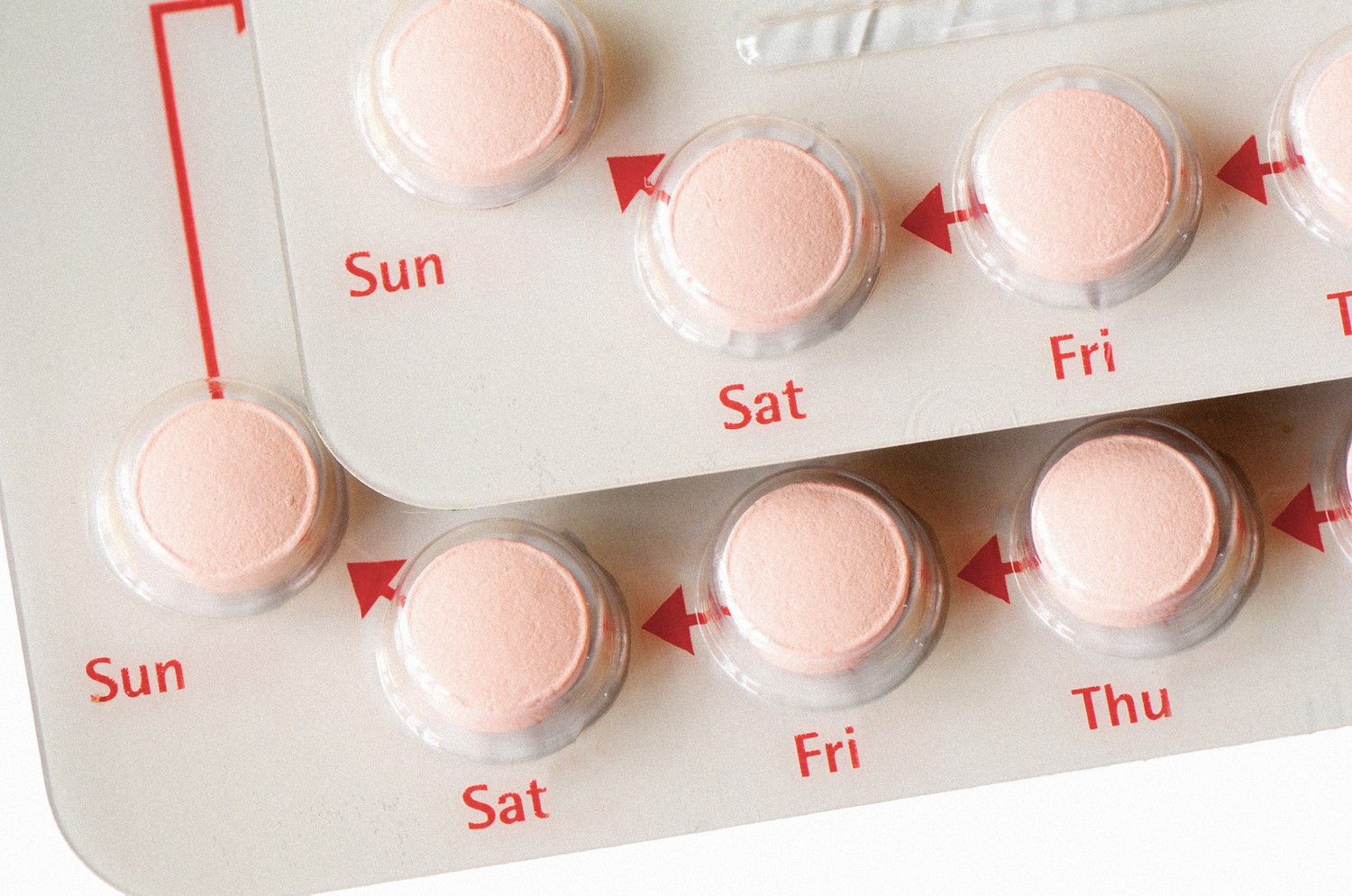
Patient information leaflet
גלולות הורמונליות למניעת הריון, מדבקות וטבעות

Patient information leaflet
טיפול הורמונלי חלופי (HRT)
HRT

Patient information leaflet
האם אני יכולה לקחת אסטרדוט וטיפול הורמונלי יחד?
מדריך לאינטראקציות בין תרופות

Patient information leaflet
פרולקטינומה

Patient information leaflet
אקרומגליה
קריאה נוספת והפניות
- growth hormone receptor; MedlinePlus, National Library of Medicine.
- Amselem S, Duquesnoy P, Attree O, Novelli G, Bousnina S, Postel-Vinay MC, Goossens M. Laron dwarfism and mutations of the growth hormone-receptor gene. N Engl J Med. 1989 Oct 12;321(15):989-95. doi: 10.1056/NEJM198910123211501.
- Brooks AJ, Waters MJ. The growth hormone receptor: mechanism of activation and clinical implications. Nat Rev Endocrinol. 2010 Sep;6(9):515-25. doi: 10.1038/nrendo.2010.123. Epub 2010 Jul 27.
- Dos Santos C, Essioux L, Teinturier C, Tauber M, Goffin V, Bougneres P. A common polymorphism of the growth hormone receptor is associated with increased responsiveness to growth hormone. Nat Genet. 2004 Jul;36(7):720-4. doi: 10.1038/ng1379. Epub 2004 Jun 20.
- Filopanti M, Giavoli C, Grottoli S, Bianchi A, De Marinis L, Ghigo E, Spada A. The exon 3-deleted growth hormone receptor: molecular and functional characterization and impact on GH/IGF-I axis in physiological and pathological conditions. J Endocrinol Invest. 2011 Dec;34(11):861-8. doi: 10.1007/BF03346731.
- Guevara-Aguirre J, Balasubramanian P, Guevara-Aguirre M, Wei M, Madia F, Cheng CW, Hwang D, Martin-Montalvo A, Saavedra J, Ingles S, de Cabo R, Cohen P, Longo VD. Growth hormone receptor deficiency is associated with a major reduction in pro-aging signaling, cancer, and diabetes in humans. Sci Transl Med. 2011 Feb 16;3(70):70ra13. doi: 10.1126/scitranslmed.3001845.
- Guevara-Aguirre J, Rosenbloom AL. Obesity, diabetes and cancer: insight into the relationship from a cohort with growth hormone receptor deficiency. Diabetologia. 2015 Jan;58(1):37-42. doi: 10.1007/s00125-014-3397-3. Epub 2014 Oct 15.
- Jorge AA, Arnhold IJ. Growth hormone receptor exon 3 isoforms and their implication in growth disorders and treatment. Horm Res. 2009 Apr;71 Suppl 2:55-63. doi: 10.1159/000192438. Epub 2009 Apr 29.
- Savage MO, Woods KA, Johnston LB, Postel-Vinay MC, Amselem S, Clark AJ. Defects of the growth hormone receptor and their clinical implications. Growth Horm IGF Res. 1999 Apr;9 Suppl A:57-61. doi: 10.1016/s1096-6374(99)80011-2. No abstract available.
- Wassenaar MJ, Biermasz NR, Pereira AM, van der Klaauw AA, Smit JW, Roelfsema F, van der Straaten T, Cazemier M, Hommes DW, Kroon HM, Kloppenburg M, Guchelaar HJ, Romijn JA. The exon-3 deleted growth hormone receptor polymorphism predisposes to long-term complications of acromegaly. J Clin Endocrinol Metab. 2009 Dec;94(12):4671-8. doi: 10.1210/jc.2009-1172. Epub 2009 Oct 28.
- Wassenaar MJ, Dekkers OM, Pereira AM, Wit JM, Smit JW, Biermasz NR, Romijn JA. Impact of the exon 3-deleted growth hormone (GH) receptor polymorphism on baseline height and the growth response to recombinant human GH therapy in GH-deficient (GHD) and non-GHD children with short stature: a systematic review and meta-analysis. J Clin Endocrinol Metab. 2009 Oct;94(10):3721-30. doi: 10.1210/jc.2009-0425. Epub 2009 Jul 7.
שתפו את מחשבותיכם או חוויותיכם עם אחרים ב קהילות המטופלים שלנו.
גישה פשוטה לטיפולים ושירותי בריאות אמינים באינטרנט.
Common conditions
Get help with common conditions through the NHS, without a GP appointment.





הירשמו לניוזלטר של פיישנט
המנה השבועית שלך של עצות בריאות ברורות ואמינות - נכתבה כדי לעזור לך להרגיש מעודכן, בטוח ובשליטה.
על ידי הרשמה אתה מקבל את שלנו מדיניות הפרטיות שלנו. באפשרותך לבטל את המנוי בכל עת. לעולם לא נמכור את הנתונים שלך.