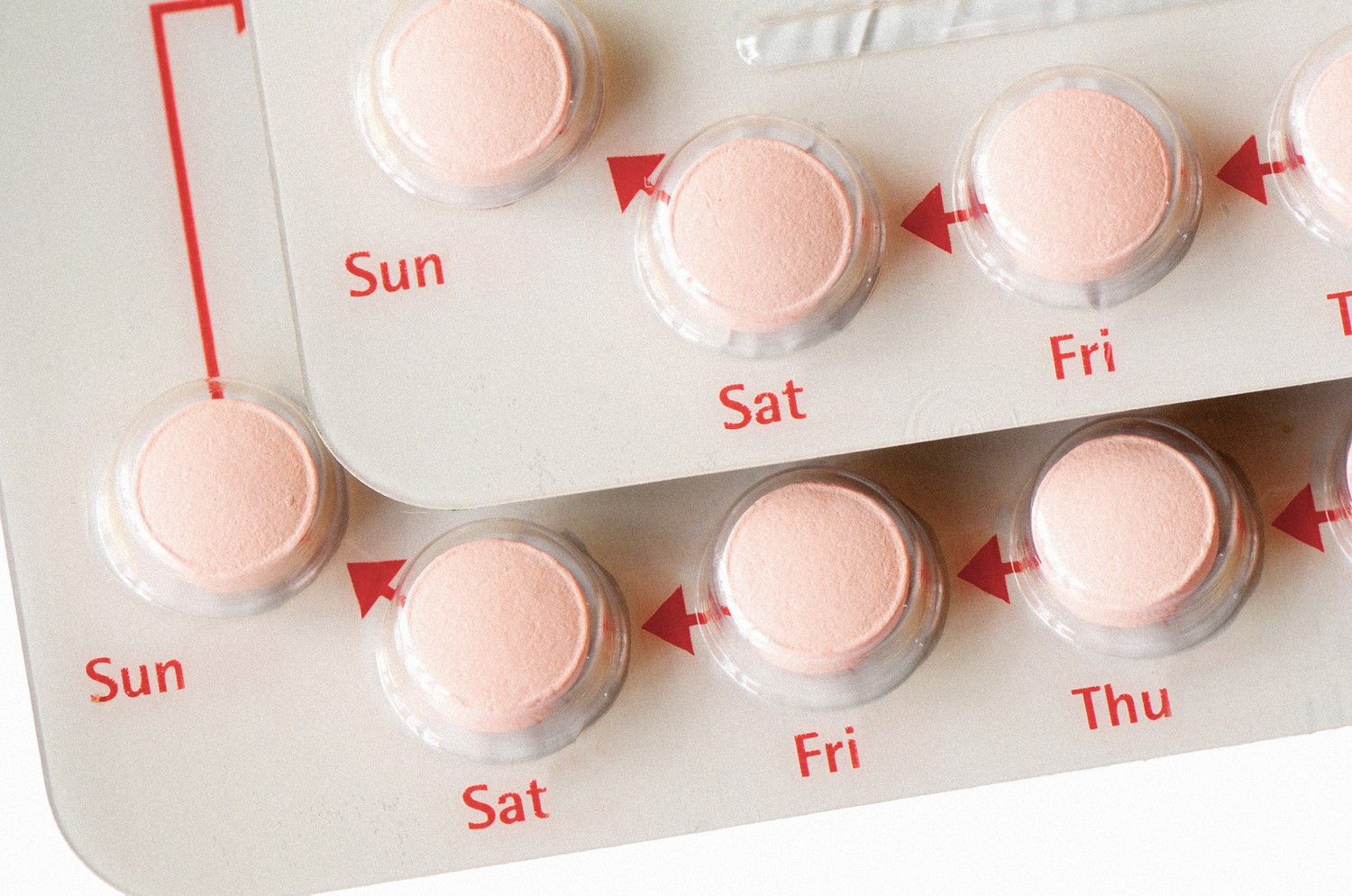
גלולות הורמונליות למניעת הריון, מדבקות וטבעות
נבדק על ידי Dr Philippa Vincent, MRCGPעודכן לאחרונה על ידי Dr Toni Hazell, FRCGPעודכן לאחרונה 17 ספטמבר 2024
עומד בהנחיות העריכה של Patient
- הורדהורד
- שתף
- Language
- דיון
- Ask Patient
- גרסת שמע
- הוסף למקורות מועדפים בגוגל
בסדרה זו:הגלולה המשולבת למניעת הריון (COC)מדבקה למניעת הריוןטבעת נרתיקית למניעת הריוןגלולה למניעת הריון המכילה פרוגסטוגן בלבד
There are many different options for contraception (birth control) if you do not wish to become pregnant. One group of contraceptives are pills, patches and rings which contain hormones.
במבט חטוף
Hormone pills, patches, and rings are contraceptive methods to prevent pregnancy.
They contain synthetic hormones that stop ovaries from releasing eggs or sperm from reaching an egg.
Options include the combined pill, contraceptive patch, vaginal ring, and progestogen-only pill.
These methods do not protect against sexually transmitted infections.
Choosing a method depends on personal preference and medical suitability.
Some contraceptives can make you miss periods, which can be normal.
Discuss your options with your GP or a family planning clinic.
Explore combined contraceptive pill options
קבלו ייעוץ רפואי מקצועי בנוחות של ביתכם. השלימו ייעוץ מקוון קצר, הזמין 24/7, ובקשתכם תיבדק על ידי איש צוות רפואי הרשום בבריטניה. משלוח למחרת זמין עבור טיפולים מתאימים.

What are hormone pills, patches and rings used for?
If you are having sex, but don't want to have a baby, these are some of the contraceptive options available to you. They do not protect you from מחלות המועברות במגע מיני, so you may wish to consider using a condom as well. However, hormone contraceptive methods are more effective than condoms for stopping you becoming pregnant.
See the separate leaflet called Contraception methods to see all the options available for contraception - there is a lot of choice.
How do they work?
Contraceptive pills, patches and rings contain hormones. Hormones are chemical substances which our bodies produce to control the way our internal organs and systems work. The hormones in pills, patches and rings are synthetic (manufactured) versions of the natural hormones produced in a woman's ovaries: oestrogen and/or progesterone.
These hormones control your monthly cycle, and what is happening in your ovaries and your womb. The way they are formulated in the contraceptives prevents your ovaries releasing eggs and/or the sperm from reaching the egg (by thickening the mucus in your cervix).
They also affect the thickness of the inner lining of the womb. More detail is available in the individual leaflets, as linked below.
What are the options?
The combined oral contraceptive pill. The original "pill", which contains both oestrogen and a progestogen. Read about the גלולה למניעת הריון משולבת (COC).
The contraceptive patch. The hormones are the same as the COC pill, but you stick it on your skin as a patch, changed every week. Read about the מדבקת מניעה.
The contraceptive vaginal ring. Again, the hormones are the same as the COC pill, but they are released slowly from a ring which sits in your vagina, and is changed every three weeks. Read about the contraceptive vaginal ring.
The progestogen-only pill. Another tablet, but this one contains just the progestogen and no oestrogen. Read about the גלולה המכילה פרוגסטוגן בלבד (POP).
How do I choose between them?
The choice of which contraceptive to use can be difficult as there are so many options. There is no one option which will be right for everyone. You will need to carefully weigh up all the pros and cons for you personally. If you are looking for long-term contraception that you can forget about for several years at a time, it may be better for you to consider the long-acting reversible contraceptive options.
Pills, patches and rings are effective options, but you have to remember to take/change them regularly. If you don't, then they don't work. Some people use the alarm function on a mobile phone to remind them.
You may prefer to try patches and rings, which only have to be changed every week or three weeks respectively, rather than take a tablet every day. Others may find it easier to get into the routine of taking a tablet every day.
Who should not take certain contraceptive pills, patches and rings?
A number of women may not be able to take the COC pill or the patch or ring (combined hormone methods, CHC) due to existing medical conditions or other risk factors. Women who are breastfeeding a baby who is less than six weeks old also should not use combined methods, but they can be used after six weeks even if you are still breastfeeding.
For these women, progestogen-only methods are often a good alternative and they are just as effective. There are unwanted side-effects with most methods and one in three women may have irregular bleeding when using progestogen-only methods.
To help you decide:
Read the separate leaflet called Contraception methods, which gives an overview of the pros and cons of each method.
Read each individual leaflet - for example, the combined contraceptive (COC) pill, ה מדבקת מניעה, the contraceptive vaginal ring ו the progestogen-only pill (POP).
Visit your GP or local family planning clinic to discuss your choices further.
Explore combined contraceptive pill options
קבלו ייעוץ רפואי מקצועי בנוחות של ביתכם. השלימו ייעוץ מקוון קצר, הזמין 24/7, ובקשתכם תיבדק על ידי איש צוות רפואי הרשום בבריטניה. משלוח למחרת זמין עבור טיפולים מתאימים.
בחירות המטופלים עבור אמצעי מניעה
בריאות מינית
הגלולה המשולבת למניעת הריון (COC)
הגלולה מכילה שני הורמונים - אסטרוגן ופרוגסטוגן. אם נלקחת נכון, היא צורת מניעה (אמצעי מניעה) יעילה מאוד שיכולה לעזור למנוע הריון.
מאת ד"ר טוני הייזל, FRCGP

בריאות מינית
שיטות מניעה
אמצעי מניעה הם תהליך של נקיטת צעדים כדי להבטיח שלא תיכנסי להריון כאשר את מקיימת יחסי מין. ישנן אפשרויות רבות לעשות זאת. לכל אחת מהן יש יתרונות וחסרונות. שיטות שונות יתאימו לזוגות שונים, או יתאימו לך בזמנים שונים בחייך. עלון זה נותן סיכום קצר של שיטות המניעה. עלון מפורט יותר זמין עבור כל אחת מהשיטות המתוארות.
מאת ד"ר היילי וילאסי, FRCGP
שאלות נפוצות
What is the difference between synthetic and natural hormones in contraception?
The hormones in contraceptive pills, patches, and rings are synthetic, meaning they are manufactured versions. They mimic the natural hormones, oestrogen and/or progesterone, that a woman's ovaries naturally produce to control the monthly cycle, ovarian function, and the womb.
Do these hormonal contraceptives protect against sexually transmitted infections?
No, hormonal contraceptive methods like pills, patches, and rings do not protect you from sexually transmitted infections (STIs). You may wish to consider using a condom as well for STI protection, although hormonal methods are more effective for preventing pregnancy.
How do I remember to use my contraceptive pill, patch, or ring regularly?
Pills, patches, and rings are effective when used regularly. If you find it hard to remember, some people use the alarm function on a mobile phone as a reminder to take their pill or change their patch or ring.
Are there other contraception options besides pills, patches, and rings?
Yes, there are many other contraceptive options available. You can find an overview of all the choices in the separate leaflet called 'Contraception methods' and consider long-acting reversible contraceptive options if you are looking for long-term contraception.
Who can I talk to for help choosing the best contraceptive method for me?
To help you decide, you can read the separate leaflet called 'Contraception methods' which gives an overview, and individual leaflets for each method. You can also visit your GP or local family planning clinic to discuss your choices further.
How often do you need to change a contraceptive patch or vaginal ring?
The contraceptive patch is changed every week. The contraceptive vaginal ring is changed every three weeks.
קריאה נוספת והפניות
- הנחיות קליניות של FSRH: אמצעי מניעה הורמונליים משולבים; הפקולטה לבריאות מינית ורבייה (ינואר 2019 - תוקן אוקטובר 2023)
- אמצעי מניעה - שיטות הורמונליות משולבות; NICE CKS, אוגוסט 2024 (גישה בבריטניה בלבד)
- אמצעי מניעה - שיטות המבוססות על פרוגסטוגן בלבד; NICE CKS, נובמבר 2024 (גישה בבריטניה בלבד)
- אמצעי מניעה - הערכה; NICE CKS, ינואר 2024 (גישה בבריטניה בלבד)
- בחירות מניעה
אודות המחברצפה בפרופיל המלא
עודכן על ידי

Dr Toni Hazell, FRCGP
MBBS, BSc, FRCGP, DFSRH, Dip GU med, DRCOG, DCH (London, UK, 2000)
ד"ר טוני הייזל סיימה את לימודיה בבית הספר לרפואה של בית החולים סנט מרי ועשתה את התמחותה בבית החולים נורת'וויק פארק.
נכתב על ידי

ד"ר מרי הארדינג, MRCGP
רופא כללי, מחבר רפואי
BA, MA, MB, BChir, MRCGP, DFFP
ד"ר מרי הארדינג סיימה את לימודיה בבית הספר לרפואה של אוניברסיטת קיימברידג' בשנת 1989.
אודות המבקרצפה בפרופיל המלא

Dr Philippa Vincent, MRCGP
רופא כללי, מחבר רפואי
MB BS, Bsc, MRCGP (2000), DCH, DFSRH, DRCOG
ד"ר Philippa וינסנט הוא רופא משפחה ב-NHS העובד בצפון לונדון.
שתפו את מחשבותיכם או חוויותיכם עם אחרים ב קהילות המטופלים שלנו.
גישה פשוטה לטיפולים ושירותי בריאות אמינים באינטרנט.
Common conditions
Get help with common conditions through the NHS, without a GP appointment.





הירשמו לניוזלטר של פיישנט
המנה השבועית שלך של עצות בריאות ברורות ואמינות - נכתבה כדי לעזור לך להרגיש מעודכן, בטוח ובשליטה.
על ידי הרשמה אתה מקבל את שלנו מדיניות הפרטיות שלנו. באפשרותך לבטל את המנוי בכל עת. לעולם לא נמכור את הנתונים שלך.