COVID-19: Should vulnerable people shield because of Omicron?
Peer reviewed by Dr Sarah JarvisLast updated by Lydia SmithLast updated 21 Dec 2021
Meets Patient’s editorial guidelines
- DownloadDownload
- Share
- Language
- Discussion
- Audio Version
- Add to preferred sources on Google
With the Omicron variant of COVID-19 spreading rapidly across the UK, the Government is considering whether to bring in stricter restrictions over Christmas. The available data so far show that the strain is extremely transmissible, which may be particularly problematic for vulnerable people.
Should clinically vulnerable people start shielding because of Omicron?
Currently, no official advice on shielding has been issued in England. This means people who were previously considered clinically extremely vulnerable (CEV) are no longer being told to shield.
With the number of cases of Omicron rising quickly, the Government has not ruled out introducing stricter COVID-19 rules in England to help curb the spread of the virus. This may include a full lockdown, curfews for people going to pubs or restaurants, or curbs on household mixing.
Whether or not people who are at risk of becoming seriously unwell from COVID-19 will be told to shield is currently unknown. The current guidance for vulnerable people is to be fully vaccinated (including with a COVID-19 booster jab) and to consider waiting until 14 days after the last dose before being in close contact with others. It's also important to think about whether those around you have been vaccinated and to consider social distancing.
Whether or not you should socialise depends on what you feel comfortable with. Dr Sarah Jarvis, clinical director of Patient.info advises "If you're vulnerable, you may want to avoid crowded spaces. I would definitely urge you to ventilate your home (meeting outdoors if possible); to ensure friends and family have taken lateral flow tests before seeing you; and consider asking home visitors to wear face coverings.
"It also makes sense to limit your contact with people who are at high risk of being infected, especially if they haven't been vaccinated."
Advice for clinically vulnerable people in Scotland, Wales and Northern Ireland
In Scotland, people who are at highest risk of becoming seriously ill from COVID-19 are currently being asked to follow the same measures as everyone else. This includes getting vaccinated and getting the booster jab and limiting social contact with other households and gathering in groups of no more than three households. People are also being advised to wear masks where necessary, avoid crowded spaces and do regular lateral flow tests, particularly before seeing others.
In Wales, the shielding advice is being continuously reviewed and those on the Shielding Patient List will be contacted with advice on how to keep safe if there is a significant change. Clinically vulnerable people are being asked to follow the same rules as the rest of the population, but are also advised to take extra precautions to keep themselves safe from coronavirus. These include staying two metres from people you do not live with, keeping contacts to a minimum and meeting others outside where possible.
At the moment, the advice for vulnerable people in Northern Ireland is similar. People are being asked to get their vaccinations, including their boosters, and to limit social contact with other people.
Use a "layered approach" to reduce the risk of catching Omicron
It's important to consider your own level of risk from the virus. For example, whether you have had your vaccinations and booster vaccine, your age and whether you have a health condition that could lead to complications if you contract COVID-19.
Rodney Rohde, a professor of clinical laboratory science and an infectious disease specialist at Texas State University, says vulnerable people should use a "layered approach" to protect themselves against Omicron. For example, by ensuring they have had their vaccines and limiting contact with others.
"Those who are immunocompromised should always be on alert," says Rohde. "Risk reduction is my ongoing advice with common sense involved. For example, I don't wear my mask at home or when I'm surrounded by others who are fully vaccinated. However, if I'm at the grocery store, in a classroom teaching, or in a crowd that I don't know, then I'm masked.
"Wash those hands, avoid crowds and poorly-ventilated areas," he adds. "When in a high-risk environment, test as necessary, and avoid unnecessary travel to areas where high prevalence of the infection is occurring."
Why getting your COVID-19 booster vaccine is crucial
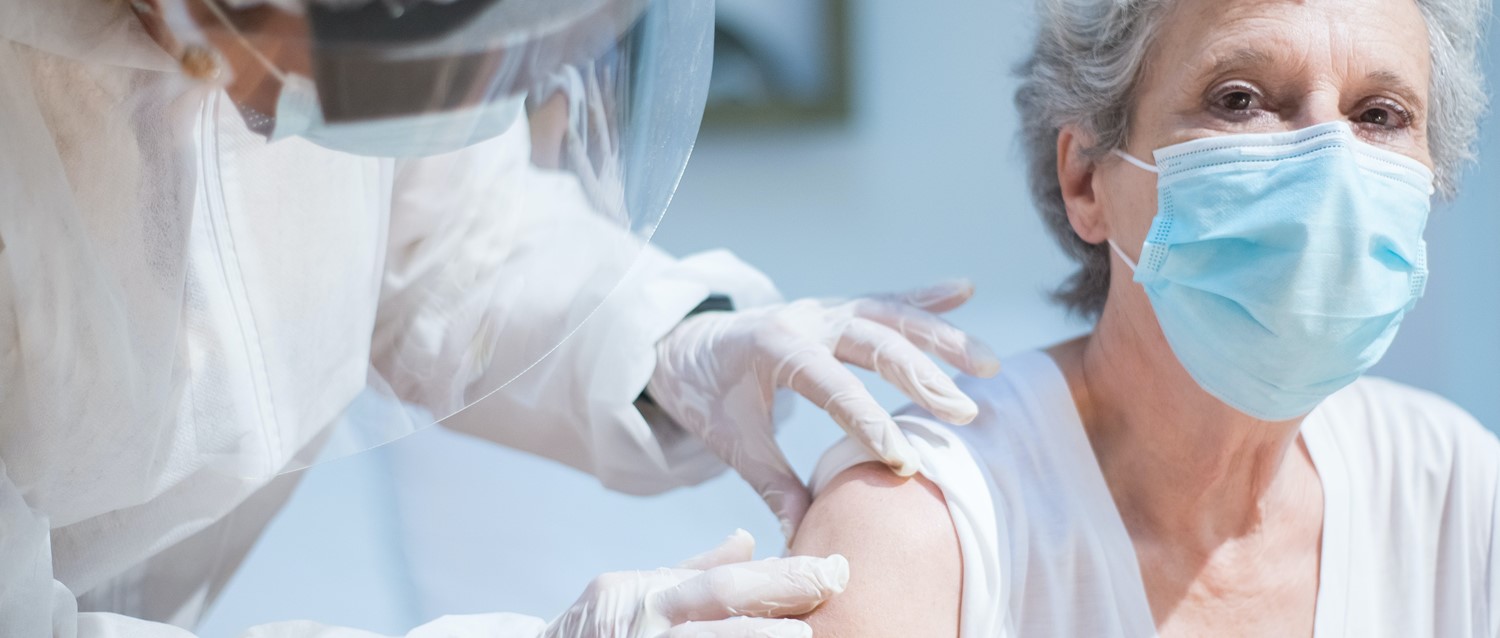
Healthcare workers and volunteers are working hard to get people vaccinated, which is essential in the fight against COVID-19. However, recent studies suggest people need three doses of a COVID-19 vaccine for better protection against infection with Omicron.
Although it is too soon to know the exact extent to which vaccination prevents infection with Omicron, preliminary data suggest our vaccines may be less effective against the variant. According to one study, two vaccines alone are around 30%-40% effective at preventing infections. However, data from South Africa suggest they are still 70% effective at preventing severe disease and hospitalisation.
The available data on booster vaccines are more promising, too. Research by Imperial College London suggests that getting a booster could provide between 80% to 85% protection against severe illness. According to another recently released study, the Moderna booster jab leads to a 37-fold increase in levels of antibodies against Omicron.
"It would be wise for at-risk people to once again become very careful," says William Schaffner, a professor of preventative medicine at Vanderbilt University.
"Clearly, all should be vaccinated and wear masks at indoor gatherings. Participating in group activities also should be reconsidered. Omicron is so very contagious and still has the capacity to produce severe disease requiring hospitalisation, so it is prudent to be careful rather than carefree."
Patient picks for Variants information
COVID-19
What are the symptoms of the COVID-19 variant Pirola?
Cases of COVID-19 are on the rise, fuelled by the spread of a new variant called Pirola. But how can you tell if you have the virus - and should you isolate yourself?
by Lydia Smith
COVID-19
What we know about the new COVID-19 variants Eris and Pirola
With lockdowns a thing of the past, COVID-19 may not be at the forefront of everyone's minds - but it is continuing to spread. And as long as it does so, mutations of the virus, often referred to as different variants, will continue to emerge. Here we look at what we know about the two new strains, Eris and Pirola.
by Lydia Smith
About the authorView full bio

Lydia Smith
Feature writer
BA, MA, MSc
Lydia Smith is an award-winning journalist and feature writer who has written extensively on women's health and mental health. She is currently studying for an MSc in psychology.
About the reviewerView full bio

Dr Sarah Jarvis
Clinical Consultant
MA (Cantab), BM, BCh (Oxon), DRCOG, FRCGP, MBE
After training in medicine at Cambridge and Oxford, Dr Sarah Jarvis MBE became a GP.
Article history
The information on this page is peer reviewed by qualified clinicians.
Article also available in English, German, Spanish, French, Italian, Portuguese, Hindi, Hebrew, Arabic, and Swedish.
21 Dec 2021 | Latest version
21 Dec 2021 | Originally published
Join the conversation
Share your thoughts or experiences with others in our patient communities.

Ask, share, connect.
Browse discussions, ask questions, and share experiences across hundreds of health topics.

Feeling unwell?
Assess your symptoms online for free
Sign up to the Patient newsletter
Your weekly dose of clear, trustworthy health advice - written to help you feel informed, confident and in control.
By subscribing you accept our Privacy Policy. You can unsubscribe at any time. We never sell your data.
More in cOVID-19
- COVID-19 - coping with loneliness this Christmas
- COVID-19 coronavirus: what can I do under the new rules?
- COVID-19: how to avoid catching viruses at work
- How to contribute to COVID-19 research
- How to help your child adjust to a post-COVID world
- How to stay healthy while working at home
- Tips for restarting your exercise routine after lockdown
- What are the differences between colds, flu and COVID-19?
- Why are Black and Asian people at greater risk from COVID-19?