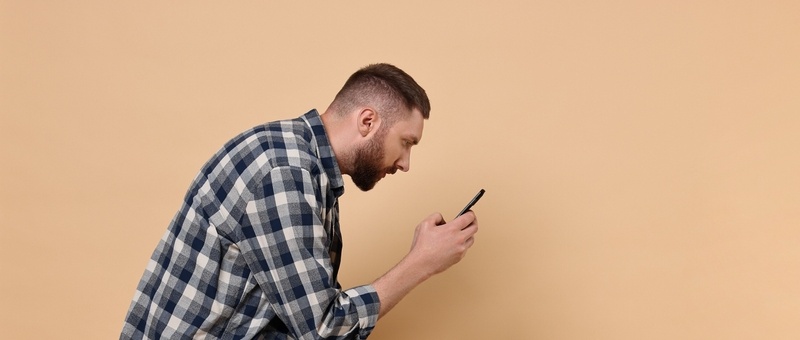
כיצד יציבה לקויה משפיעה על יותר מאשר רק על הגב שלך
נבדק על ידי Dr Colin Tidy, MRCGPנכתב על ידי Victoria Rawפורסם במקור 7 אפריל 2026
עומד בהנחיות העריכה של Patient
- הורדהורד
- שתף
- Language
- דיון
- גרסת שמע
- הוסף למקורות מועדפים בגוגל
These days, being stuck at a desk all day isn’t just a habit - it's basically part of the job for a lot of people. Between our professional lives and the digital entertainment that fills our downtime, we are increasingly pulled into stationary, hunched positions. This environment makes the simple act of maintaining good posture a constant struggle.
A physiotherapist explains exactly how poor posture impacts your wellbeing and offers simple, actionable tips to help you lead a happier, healthier life.
In a timely message, a new survey commissioned by Complete Pilates has found that one in three people in the UK don't realise how much posture can affect them, with many underestimating its impact on their breathing, energy levels and digestion.
Pilates is widely known for boosting posture, strength, and flexibility, yet, according to the survey, only one in ten people fit it into a normal week.
Helen O’Leary, physiotherapist at Complete Pilates, says that the UK seems to be facing a silent posture crisis where everyday habits - from desk work to dusting - are leaving the nation in long-term pain.
“When only one in three people recognise the wider health hazards of poor posture, it is no longer just a backache issue, but a growing public health blind spot,” she explains.
“The encouraging news is that we know posture is changeable, with the right guidance and small, consistent adjustments. This means we can help the UK move with greater strength, confidence and resilience.”
The truth behind how you see your posture
We often overlook our posture in the rush of everyday life. Little routines - slumping at a desk, staring down at a phone - build up into muscle pain and stiffness, and it’s easy to shrug it off instead of tackling what’s causing it.
Many people don’t realise how bad their posture actually is. According to the survey, under‑35s report more muscle pain than those aged 45–54, yet they’re four times more likely to say their posture is ‘excellent’ compared with older adults.
O’Leary says that our posture perception is usually inaccurate, and that most of us are surprisingly poor at judging our own spinal position, especially over time.
“This is because your nervous system adapts to whatever position you spend most time in,” she explains. “People also assess posture based on whether they’re slouching, how they look in the mirror, and cultural ideas of ‘good posture’.
“However, load tolerance depends on muscle endurance, movement variability, and the duration in a position.”
How poor posture affects your health
Poor posture is more than just a slouch in your shoulders - it is a systemic health issue. Beyond the visible misalignment, poor posture can lead to persistent neck and back pain, impaired balance, disrupted sleep, and long-term joint damage. Despite these effects, only one in three people in the UK is aware of the full extent of the consequences.
“Posture doesn’t just matter at your desk,” says O’Leary. “It influences muscle tone, breathing mechanics, pain sensitivity, and nervous system regulation - all of which affect sleep quality.
“If baseline muscle tone remains elevated into the evening, your body struggles to fully down-regulate. This can make it harder to relax into a deep sleep.”
Even more surprising is the impact on your breathing. Poor posture can significantly reduce your lung capacity, a serious health side effect that nearly three-quarters of the population fail to realise is linked to how they sit and stand.
O'Leary explains that slouching at your desk - staying hunched over with your head forwards - actually messes with how you breathe. This rounded position cramps up your ribs and diaphragm, making it harder for your lungs to fully expand.
Instead of taking deep, effortless breaths, your rib cage becomes restricted, and over time, you end up stuck in a cycle of shallow breathing.
Why most people self-manage posture issues
Instead of seeking targeted professional advice, the vast majority of people take a DIY approach when it comes to managing postural pain. According to the survey, nearly half the population turn to stretching, while just under half reach for over-the-counter pain relief.
While these may provide temporary comfort, they often mask a deeper issue. Despite the proven benefits of corrective movement, only one in 10 people actually integrate Pilates into their weekly routine, highlighting a significant gap between feeling pain and fixing its root cause.
O’Leary notes that while high‑intensity exercise, such as running or high-intensity interval training (HIIT), can help, Pilates and Yoga are widely seen as the most effective practices for correcting posture. She urges people to close the gap between intention and action and start addressing your posture today.
“Motivation to change something is often reactive,” she says. “Pain is often episodic. When the pain spikes and flares, people often want to make changes. But when the pain isn't there, the urgency disappears.
“Pilates is often also seen as maintenance and a long-term commitment. Whilst HIIT and the gym can feel intense and goal-driven, Pilates is often subtle, corrective and preventative, which doesn't give the same dopamine hit that the gym does.”
The best Pilates exercises for improving your posture
Adding just a few simple Pilates moves to your day can make a world of difference to how you stand, sit, and feel.
O’Leary highlights the best exercises to help you reset your alignment and boost your wellbeing:
Mermaid: opens your side body and rib cage for better lateral breathing
Sit on the floor and fold your right leg in front of you at a 90-degree angle. Position your left leg out to the side, also bent at 90 degrees.
Reach one arm overhead, stretching through the side of your body and breathing into the space.
Repeat a couple of times, then switch sides.
Thoracic extension with a Pilates ball: reverses the 'hunch' from sitting at your desk
Lie on your mat with a Pilates ball under the middle of your shoulder blades - adjust to where you feel tightest.
Support your head with your hands and lower your head back towards the floor, then lift your head and chest up.
Repeat, or hold the stretch while taking deep breaths.
Pelvic tilt: re-educates your lower back and core to find a neutral spine
Lie on your back with knees bent, feet hip‑width apart.
Imagine a clock on your pelvis with 12 at your belly button and 6 at your pubic bone.
Rock your pelvis towards 12 so your lower back presses gently into the floor, then rock towards 6 so the lower back arches away.
Repeat with controlled movement.
בחירות המטופלים עבור תרגול ופעילות גופנית

חיים בריאים
מהו תרגול סומטי? חקר הקשר בין הגוף לנפש
הוצג בשנות ה-70 על ידי הפילוסוף תומאס האנה, סומטיקה מתייחסת לדיסציפלינה שחוקרת את הקשר בין המוח והגוף שלך דרך תנועה. תרגול סומטי הוא פרקטיקה חושית שמקדמת תנועות מודעות כדי לשפר את המודעות שלך לתחושות הפנימיות של גופך.
מאת ויקטוריה ראו
חיים בריאים
מדוע ישיבה פוגעת בבריאות שלנו - וכיצד 22 דקות של פעילות גופנית יכולות לעזור
עבור רבים מאיתנו, יום עבודה כולל ישיבה במשך מספר שעות מול מחשב - וזה משפיע באופן רציני על הבריאות שלנו. אך מחקרים מציעים כי 22 דקות של פעילות גופנית מתונה עד נמרצת ביום עשויות להפחית את ההשפעות הבריאותיות השליליות של אורח חיים יושבני.
מאת ויקטוריה ראו
שאלות נפוצות
מדוע לעיתים קרובות נבחר פילאטיס על פני סוגי פעילות גופנית אחרים לתיקון יציבה?
פילאטיס נחשב לעיתים קרובות כיעיל יותר לתיקון יציבה מכיוון שהוא מתמקד בתנועות עדינות, מתקנות ומונעות. בעוד שתרגילים בעצימות גבוהה יכולים להיות מועילים, פילאטיס ויוגה מוכרים באופן נרחב כתרגולים המועילים ביותר לטיפול בבעיות יציבה. הם עוזרים לבנות כוח ליבה ומודעות גופנית, שהם חיוניים לשמירה על יציבה טובה.
כיצד משפיעה יציבה לקויה על רמות האנרגיה שלי?
יציבה לקויה דורשת מהגוף שלך לעבוד קשה יותר כדי לשמור על איזון ויישור, מה שמוביל לעייפות שרירים ויעילות מופחתת. המתח המתמיד הזה יכול לרוקן את מאגרי האנרגיה שלך, מה שיגרום לך להרגיש עייף ואיטי יותר לאורך היום. על ידי שיפור היציבה שלך, הגוף שלך יכול לתפקד עם פחות מאמץ, מה שעשוי להעלות את רמות האנרגיה הכלליות שלך.
אם אני לא מרגיש כאב, האם זה אומר שהיציבה שלי טובה?
לא בהכרח. מערכת העצבים שלך מתאימה את עצמה לתנוחות שבהן אתה מבלה את רוב הזמן, כך שאולי לא תרגיש אי נוחות גם אם היציבה שלך אינה אידיאלית. כאב יכול להיות גם אפיזודי. אנשים רבים יש להם תפיסה לא מדויקת של מיקום עמוד השדרה שלהם לאורך זמן. הסתמכות רק על היעדר כאב יכולה להוביל להתעלמות מבעיות יציבה בסיסיות שעלולות לגרום לבעיות מאוחר יותר.
כיצד פילאטיס מסייע לשיפור הביטחון העצמי הכללי בגוף?
פילאטיס עוזר לשפר את הביטחון העצמי בגוף על ידי חיזוק, גמישות ומודעות כללית לגוף. ככל שאתה מתכוונן יותר לתנועות הגוף שלך וליישורו, אתה מפתח שליטה רבה יותר ותחושת העצמה. זה יכול להוביל לביטחון מוגבר באופן שבו אתה נע, עומד ומציג את עצמך, הן פיזית והן מנטלית.
האם שיפור היציבה שלי יכול לעזור לעיכול?
כן, יציבה לקויה יכולה להשפיע על העיכול שלך. כאשר אתה מתכופף, זה יכול ללחוץ על האיברים הפנימיים שלך, כולל אלו המעורבים בעיכול. הלחץ הזה יכול להפריע לתפקוד האופטימלי שלהם. על ידי שיפור היציבה שלך, אתה יוצר יותר מקום בחלל הבטן שלך, מה שעשוי לאפשר למערכת העיכול שלך לעבוד בצורה יעילה ונוחה יותר.
אודות המחברצפה בפרופיל המלא
נכתב על ידי

Victoria Raw
כותב תכנים
תואר ראשון (בהצטיינות), ספרות אנגלית
ויקטוריה היא כותבת תוכן ב-Patient, ותחומי העניין המיוחדים שלה כוללים רווחה נפשית, מגמות חברתיות והשפעת הטכנולוגיה על בריאותנו.
אודות המבקרצפה בפרופיל המלא

Dr Colin Tidy, MRCGP
רופא כללי, מחבר רפואי
MBBS, MRCGP, MRCP (Paediatrics), DCH
ד"ר קולין טיידי הוא רופא ב-NHS, הממוקם באוקספורדשייר.
הצטרפו לשיחה
שתפו את מחשבותיכם או חוויותיכם עם אחרים ב קהילות המטופלים שלנו.

שאלו, שתפו, התחברו.
עיין בדיונים, שאל שאלות ושתף חוויות במאות נושאים בריאותיים.

מרגיש לא טוב?
הערך את הסימפטומים שלך באינטרנט בחינם
הירשמו לניוזלטר של פיישנט
המנה השבועית שלך של עצות בריאות ברורות ואמינות - נכתבה כדי לעזור לך להרגיש מעודכן, בטוח ובשליטה.
על ידי הרשמה אתה מקבל את שלנו מדיניות הפרטיות שלנו. באפשרותך לבטל את המנוי בכל עת. לעולם לא נמכור את הנתונים שלך.