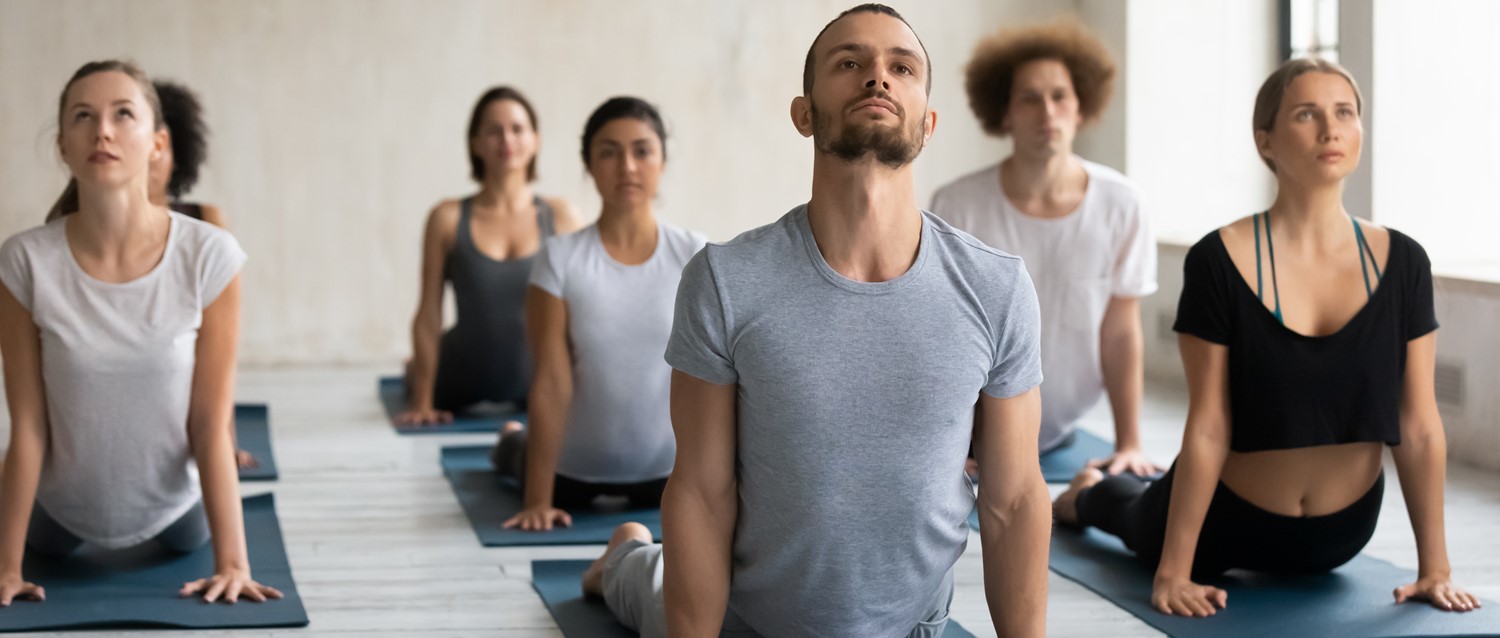
What are the benefits of Pilates?
Peer reviewed by Dr Sarah JarvisAuthored by Emily Jane BashforthOriginally published 18 Mar 2022
Meets Patient’s editorial guidelines
- DownloadDownload
- Share
- Language
- Discussion
- Audio Version
- Add to preferred sources on Google
Pilates has rapidly increased in popularity over recent years. It's a form of exercise you can do from the comfort of your living room via YouTube tutorials, or you can attend regular classes at a studio. Pilates offers a range of both physical and mental health benefits, some of which you might not be aware of.
What is Pilates?
Pilates was initially called Contrology. It was developed in the early 20th century by a man called Joseph Pilates, with a mind-body emphasis on core strength and postural alignment, plus flexibility and stability of the spine. Pilates teacher Abby McLachlan describes Pilates as a "form of mindful movement", as the exercises have a combined focus on movement and breath, and offer a wide range of benefits.
How does Pilates work?
Pilates can be done from a chair, on a mat, or using a range of Pilates equipment, such as the Wunda chair or a reformer machine.
What are the physical benefits of Pilates?
Among other physical benefits, Pilates can:
Develop core strength.
Increase mobility.
Improve balance.
Increase strength and flexibility.
Correct postural issues.
Ease back pain.
Increase energy.
Improve co-ordination.
Improve sex life.
Aid with weight loss.
Improve stamina.
McLachlan adds that Pilates can also help with recovery from an injury and reduce the risk of injury from other sports or physical activities in the future.
It does this by considering the whole body, rather than just the area you have injured. In turn, you can regain strength, control, and a smoother sense of movement in the injured area. Additionally, Pilates can improve muscle weakness and - perhaps most importantly - enhance body awareness.
Pilates can also identify the root of your injury in the first place. This might be due to poor posture that has contributed to back pain. The exercises enhance your awareness of how you are moving and contorting your body, and what movement patterns you should alter.
Furthermore, Pilates has the potential to lengthen your duration of sleep and improve the quality of your sleep.
What are the mental health benefits of Pilates?
It is widely reported that physical exercise has a vast range of mental health benefits. Conclusive evidence now exists for the effectiveness of exercise in the treatment of clinical depression. Also, exercise has a moderate reducing effect on state and trait anxiety and can improve physical self-perceptions and self-esteem.
Pilates specifically offers a range of mental health benefits, such as:
Reduced stress.
Increased concentration and focus.
Reduced anxiety.
Maintained cognitive ability.
Ability to be present.
Increased zest for life.
Pilates may assist with your mood, as it offers an opportunity to socialise if you attend classes or work out with friends. The exercises can alter the levels of chemicals in your brain (such as serotonin, cortisol and endorphins), boosting general mood and distracting you from negative thoughts.
Pilates exercises can help you maintain cognitive ability, particularly into older age.
Pilates does this by increasing the blood and oxygen flow to the brain, generating new neurons, and ensuring the survival of neurons in areas of the brain that are responsible for learning and memory.
Can Pilates have long-term benefits?
"Pilates is an excellent form of exercise to do as you get older. While being low impact, it can improve bone density and spinal health. It is also great for stability and mobility," says McLachlan.
In turn, this can increase confidence while moving, resulting in a better quality of life.
Pilates is often encouraged for older people since it is a gentle, non-strenuous form of exercise that aids with co-ordination. This can reduce their risk of falls and help them become more balanced.
Ageing has a profound effect on the backbone, its vertebrae (bones), intervertebral discs (joint-like spaces) and muscles. This may result in the back curving and posture becoming more stooped. Since Pilates aids with posture, it can be a useful form of exercise.
There's also potential for Pilates to assist older people in the rehabilitation process following surgical procedures, such as hip replacements or knee surgery.
Beth Davies is a personal trainer and Pilates instructor. She adds that Pilates can be a great way to connect with your body in the modern, busy world.
"In today's society, we're all so caught up in the hustle and bustle. When it comes to working out, fitness culture often favours hard and punishing workouts that make you sweat and really push you to the limit. Therefore, Pilates can be a great way to feel more centred and more aware of your body and breath. It builds functional strength and can be either super gentle or extremely challenging and everything in between."
Can anyone do a Pilates workout?
Davies adds that, although it is low impact, Pilates can be challenging. Therefore, if you are participating at a studio or via an online class, your teacher should ask you to complete a screening form. This will ask about any injuries or health issues, and simplify exercises if they are outside your capability. You should also make your own informed decisions before embarking on a course of Pilates and assess whether it is right for you.
McLachlan adds that, as with any exercise, there is a risk of overdoing it. This could cause further damage to your neck or back. So, it is important you are following the correct techniques and pacing yourself, especially as a beginner.
She suggests seeking advice from a qualified Pilates teacher if you are venturing into Pilates after having a baby. Similarly, during pregnancy, you should attend classes which are led by a prenatal teacher. There are exercises that are not suitable to do while pregnant and an experienced teacher will be able to guide you through movements that are safe for you and your baby.
While Pilates is often seen as a form of exercising for women, it can be done by any gender.
How can Pilates challenge the body?
"Pilates can be as hard or easy as you want it to be. Once you have mastered the basic principles and strengthened your core with the basics exercises, there are some really challenging workouts to have fun with," says McLachlan.
She says that as well as testing your muscle strength, Pilates workouts challenge your balance and control, and you can progress with more advanced exercises as you gain more experience.
Over the years, Pilates has evolved to become more adaptable so it can suit the needs of individuals, depending on their abilities and circumstances.
How can you get the most out of your Pilates workout?
McLachlan stresses the importance of starting with the basics of Pilates, then working your way up to more complex movements once you are ready. This helps to ensure you are getting the most out of Pilates.
You should start off by making sure you:
Breathe correctly.
Engage your pelvic floor and TVA/internal oblique muscles.
Understand what neutral spine is versus imprint.
Think about your rib position.
Consider your head position.
"You probably need to go to a few beginner classes to make sure you have an understanding of these elements. Getting the basics right sets up the right foundation to feel all the benefits of a Pilates practice."
Assuring that there is nothing to be intimidated by, Davies says that beginner Pilates classes start by helping you create awareness of your alignment and synchronise your breathing to the movement. She advises there is an emphasis on quality and precision, and a lengthening out from a strong centre (or core).
Davies' tips for enjoying your Pilates workout
Go at your own pace and don't worry about what other people can do.
Build a great foundation with alignment and breathing technique.
Perform exercises mindfully versus passively, completing them while thinking about other things.
Find an instructor you connect with and trust.
Allow your teacher to assess your movements and offer alternatives if some movements are too challenging.
Patient picks for Exercise and physical activity
Healthy living
How to strengthen your core
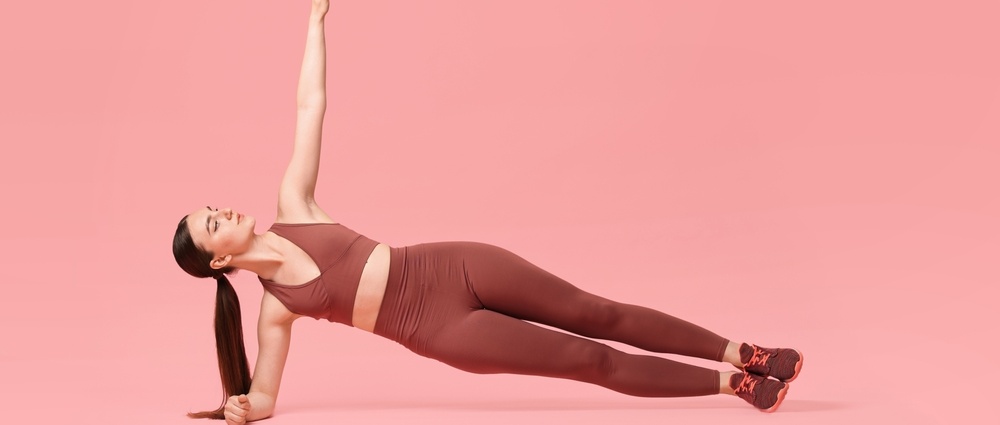
When it comes to building muscle, improving your core muscle strength has benefits that extend beyond toned abs. Core strength exercises can also give you better balance, stability, and good posture, and prevent or treat back pain. Better still, they can be performed in the comfort of your home, and there are many to choose from and incorporate into your exercise routine.
by Lynn Stephen

Healthy living
Deep resting squat - can this simple posture unlock flexibility, mobility, and longevity?
When we go to sit down, most of us instinctively head straight for a chair or comfy sofa without giving it a second thought. Modern life has normalised this way of sitting, with many of us rarely considering any other position. Over time, however, this habit can negatively affect our flexibility, mobility, and strength. Popular across much of the world, the deep resting squat offers a natural alternative - and a range of potential benefits.
by Hannah Boynton-Forshaw
About the authorView full bio

Emily Jane Bashforth
Feature Writer
NCTJ
Emily is a Feature Writer with Patient, writing articles on a variety of topics relating to health and well-being.
About the reviewerView full bio

Dr Sarah Jarvis
Clinical Consultant
MA (Cantab), BM, BCh (Oxon), DRCOG, FRCGP, MBE
After training in medicine at Cambridge and Oxford, Dr Sarah Jarvis MBE became a GP.
Article history
The information on this page is peer reviewed by qualified clinicians.
Article also available in English, German, Spanish, French, Italian, Portuguese, Hindi, Hebrew, Arabic, and Swedish.
18 Mar 2022 | Originally published
Authored by:
Emily Jane BashforthPeer reviewed by
Dr Sarah Jarvis
Join the conversation
Share your thoughts or experiences with others in our patient communities.

Ask, share, connect.
Browse discussions, ask questions, and share experiences across hundreds of health topics.

Feeling unwell?
Assess your symptoms online for free
Sign up to the Patient newsletter
Your weekly dose of clear, trustworthy health advice - written to help you feel informed, confident and in control.
By subscribing you accept our Privacy Policy. You can unsubscribe at any time. We never sell your data.
More in healthy living
- Bipolar disorder, public figures, and the line between explanation and accountability
- NewBox breathing - simple technique, surprising results
- Can certain foods mimic the effects of weight loss injections?
- Can spending time in nature benefit your mental health?
- Deep resting squat - can this simple posture unlock flexibility, mobility, and longevity?
- How gut bacteria affect mood, focus and brain health
- How to get your child the right support at school
- Is crying good for you?
- Is intermittent fasting a healthy way to lose weight?
- Mental health: keeping track of your symptoms and early interventions
- Natural protein verses protein powder: which is better for strength training?
- Switch off TV in the bedroom to avoid weight gain
- Tips for a healthier online life
- What is 'good mental health'?
- What is 'Skinnymaxxing' - and why are health experts concerned about it?
- What is cortisol belly? Why stress could be making it harder to lose belly fat
- What is forest bathing and can it improve your health?
- UpdatedWhat is Reformer Pilates and why is it so popular?
- What mental health support is available to veterans?
- What the World Cup can teach us about staying active