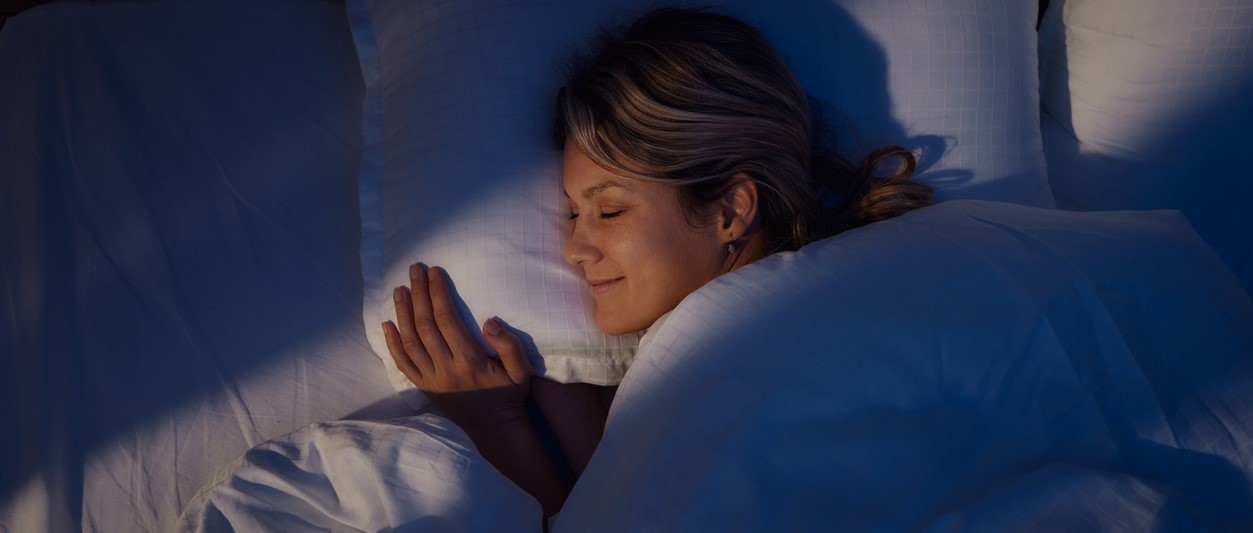
איך לישון טוב יותר
נבדק על ידי Dr Krishna Vakharia, MRCGPעודכן לאחרונה על ידי Amberley Davisעודכן לאחרונה 13 בפברואר 2024
עומד בהנחיות העריכה של Patient
- הורדהורד
- שתף
- Language
- דיון
- Ask Patient
- גרסת שמע
- הוסף למקורות מועדפים בגוגל
נדודי שינה הם תופעה נפוצה מאוד - לפחות 1 מתוך 3 אנשים חווים בעיות שינה. אך שינויים פשוטים יכולים לשפר את יכולתכם לישון היטב. אז איך אתם והכרית שלכם יכולים לחזור להיות חברים?
Explore support for sleep difficulties
קבלו ייעוץ רפואי מקצועי בנוחות של ביתכם. השלימו ייעוץ מקוון קצר, הזמין 24/7, ובקשתכם תיבדק על ידי איש צוות רפואי הרשום בבריטניה. משלוח למחרת זמין עבור טיפולים מתאימים.

Sleep deprivation can make you grumpy and miserable, it can affect your concentration, and make you more prone to accidents. But importantly, long-term נדודי שינה can increase your risk of התקף לב, שבץ ו סוכרת סוג 2. I share my tips on how to sleep better.
Create a space for sleeping
Keep your bedroom dark and quiet
Your bedroom should be a sanctuary for sleep. All too many of us use our bedrooms as a second office or sitting room - watching TV, using smartphones, even eating.
Your mind should subconsciously associate your bedroom with sleep. Blue light from electronic devices disrupts your sleep and an exciting late-night movie can set your mind whirring.
Keep your bedroom quiet and really dark - ban pinging smartphones and ticking clocks - and develop a wind-down bedtime ritual that ends with you getting into bed. Reading a book for a few minutes before lights out is fine.
Invest in a new mattress and bedding
Your bed makes a big difference to your quality of sleep too. An uncomfortable pillow or mattress can make it hard to drift off or wake you from sleep. And hot blankets or a duvet can leave you waking up sweating, especially around the menopause.
Invest in a new mattress and bedding if yours is old and consider layers of bedclothes to avoid getting too hot or cold.
Look at your lifestyle
What you get up to during the day can have a big effect on how you sleep at night.
Curb caffeine
In moderate amounts, קפאין is safe, can count towards your daily fluid intake and may even reduce the risk of dementia. But it's often used by shift workers and students for a reason - it keeps you awake.
If you're struggling to sleep, try decaff drinks from early afternoon. And bear in mind that energy drinks, colas and even chocolate contain caffeine too.
Don't sleep on a full stomach
Stomach acid can reflux into your gullet much more easily when you're lying down, as it doesn't have to travel against gravity. If you suffer from צרבת, avoid eating for at least three hours before bed to avoid being troubled by burning pain behind the breastbone.
Get active
פעילות גופנית is a great way to improve sleep, but avoid exercising too close to bedtime, when it can have the opposite effect.
Alcohol doesn't help
You may think אלכוהול helps you get to sleep but it leads to poor-quality sleep and early waking. Keep your alcohol intake down for better sleep.
Be realistic
Most people assume they need eight hours of sleep a night. While the average is 7-9 hours, if you only sleep six hours a night but don't feel tired the next day, that could be normal for you.
Sleeping tablets are not the answer
כדורי שינה only work in the short term and are highly addictive. What's more, they increase the risk of accidents and have been linked to a higher risk of death. If you're taking them regularly, speak with your GP about how to wean yourself off.
Put worries to bed
It's easy for your mind to start working overtime when you turn off the light. You may start turning over the day's stresses, worrying about how you're going to solve them. Obviously you can't solve them from bed and they'll still be there in the morning. So make an active effort to put your worries to bed before you put yourself down.
If necessary, jot down a list of things you need to do the next day, an hour or two before bedtime. If your mind does turn to them, don't get cross with yourself - just stop and gently remind yourself they don't belong in the bedroom. It will take a while, but it's a good habit to get into.
Could there be a medical problem?
דום נשימה חסימתי בשינה is a condition in which your airways close when you're asleep, temporarily blocking off air. Sufferers - who almost always snore - can go through hundreds of episodes a night where they stop breathing and jerk partly awake. You may not realise you're waking, but it often leads to sleepiness the next day.
Pain can also disrupt sleep. תסמונת הרגליים חסרות המנוחה leads to fidgety, uncomfortable legs which mean you need to keep moving around. If you think you might have one of these conditions, see your GP.
תודה למגזין My Weekly, שבו פורסם המאמר במקור.
Explore support for sleep difficulties
קבלו ייעוץ רפואי מקצועי בנוחות של ביתכם. השלימו ייעוץ מקוון קצר, הזמין 24/7, ובקשתכם תיבדק על ידי איש צוות רפואי הרשום בבריטניה. משלוח למחרת זמין עבור טיפולים מתאימים.
בחירות המטופלים עבור שינה ואינסומניה

חיים בריאים
יומן שינה
Please answer questions A to S each day over the next two weeks. There should be three sheets of paper for answers to be written in boxes. The aim is to measure the pattern and quality of your sleep, and factors that may affect your sleep over the course of two weeks.
מאת דני צ'אדבורן
חיים בריאים
נדודי שינה קשורים לסיכון מוגבר למחלות לב ושבץ
People who struggle to get a good night's rest may be at greater risk of developing cardiovascular problems, according to new research.
מאת אשווין בהנדארי
אודות המחברצפה בפרופיל המלא
עודכן על ידי

אמברלי דייוויס
כותב בכיר
BA (Hons), CPD
אמברלי היא כותבת בכירה ב-Patient וכתבה בהרחבה על מגוון נושאים בתחום הבריאות והרווחה.
נכתב על ידי

Dr Sarah Jarvis
יועץ קליני
MA (Cantab), BM, BCh (Oxon), DRCOG, FRCGP, MBE
לאחר הכשרה ברפואה בקיימברידג' ואוקספורד, ד"ר שרה ג'רוויס MBE הפכה לרופאת משפחה.
אודות המבקרצפה בפרופיל המלא

Dr Krishna Vakharia, MRCGP
קצין רפואה ראשי לבריאות, Optum UK
MBChB, MRCGP(2013), BMedSci (hons), DFSRH, DRCOG, PGDipDerm (Distn)
ד"ר קרישנה וקאריה היא רופאת משפחה ב-NHS. היא גם בוחנת קבועה לדיפלומה לתואר שני בדרמטולוגיה מעשית באוניברסיטת קרדיף וכן משמשת כקצינת הרפואה הראשית לבריאות ב-Optum UK.
שתפו את מחשבותיכם או חוויותיכם עם אחרים ב קהילות המטופלים שלנו.
גישה פשוטה לטיפולים ושירותי בריאות אמינים באינטרנט.
Common conditions
Get help with common conditions through the NHS, without a GP appointment.





הירשמו לניוזלטר של פיישנט
המנה השבועית שלך של עצות בריאות ברורות ואמינות - נכתבה כדי לעזור לך להרגיש מעודכן, בטוח ובשליטה.
על ידי הרשמה אתה מקבל את שלנו מדיניות הפרטיות שלנו. באפשרותך לבטל את המנוי בכל עת. לעולם לא נמכור את הנתונים שלך.