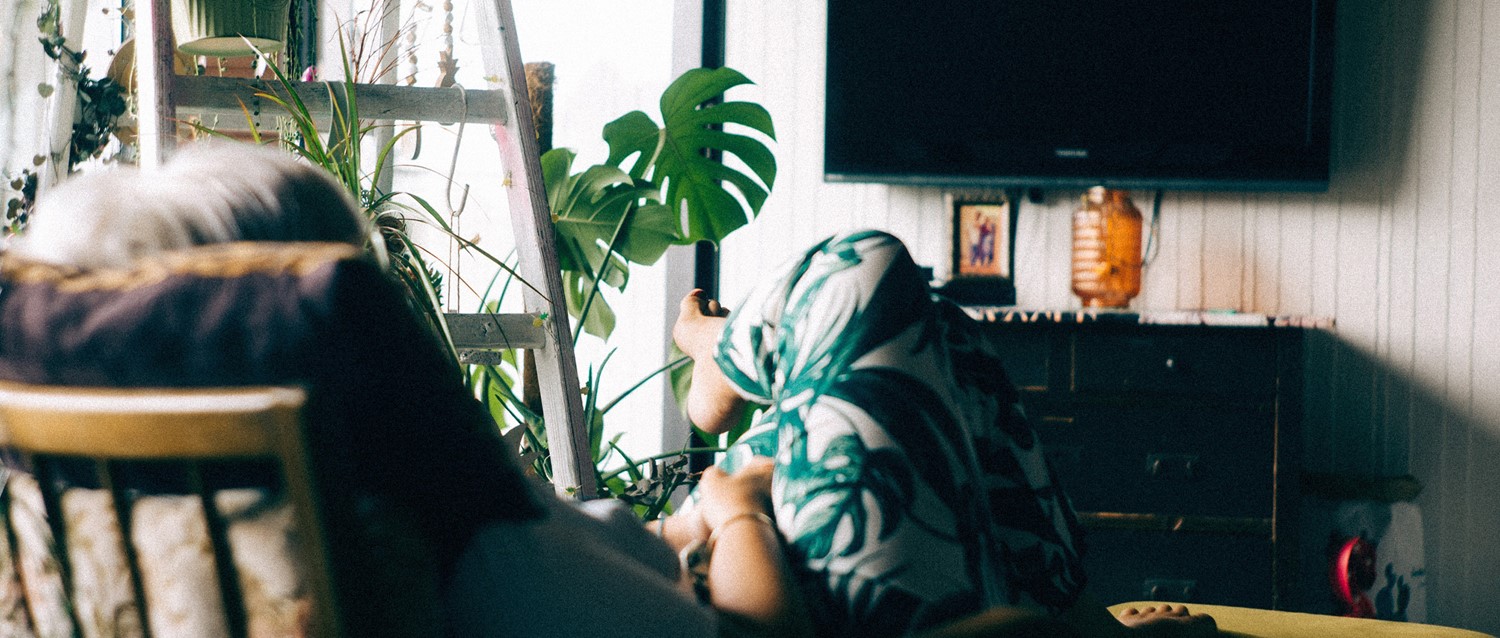
Switch off TV in the bedroom to avoid weight gain
Peer reviewed by Natalie HealeyLast updated by Natalie HealeyLast updated 11 Jun 2019
Meets Patient’s editorial guidelines
- DownloadDownload
- Share
- Language
- Discussion
- Audio Version
- Add to preferred sources on Google
Sleeping with a television or light on in your bedroom may be a risk factor for gaining weight, according to scientists.

The study, conducted at the National Institutes of Health, is the first to suggest an association between exposure to artificial light at night while sleeping and weight gain. The researchers believe total darkness at bedtime could reduce the chances of becoming obese.
The results varied with the level of artificial light exposure. Using a small nightlight was not associated with weight gain, whereas those who slept with a light or television on were 17% more likely to have gained five kilograms or more over five years.
The team looked at data from over 40,000 women. The participants were aged 35-74, had no history of cancer or heart disease, and were not shift workers or pregnant when the study began. Women were asked whether they slept with no light, a small nightlight, light outside of the room, or a light or television on in the room. Weight, height, waist and hip circumference and body mass index (BMI) measurements were recorded at the start of the study, and five years later at the end.
Dr Chandra Jackson, head of the NIEHS Social and Environmental Determinants of Health Equity Group, and one of the study's co-authors said: "Humans are genetically adapted to a natural environment consisting of sunlight during the day and darkness at night. Exposure to artificial light at night may alter hormones and other biological processes in ways that raise the risk of health conditions like obesity."
Of course, other factors may explain the association between artificial light and weight gain. But the researchers say their findings did not change when they controlled the data for characterisations that may be associated with artificial light exposure at night or weight gain, such as age, children in the home, race, calories consumed and physical activity.
Dr Michelle Miller, associate professor of biochemical medicine at the University of Warwick, said the research was promising but pointed out there were a number of limitations with the methods used.
"The study was only conducted in women; measures of light exposure were self-reported and non-quantifiable and sleep duration was also self-reported. The findings are however consistent with current advice that sleeping environments should be as dark as possible."
Patient picks for Obesity and weight loss

Healthy living
Does eating spicy food help you lose weight?
Many of us have a love-hate relationship when it comes to spicy food. Either you're smothering everything you eat with hot sauce, or you're shying away from a korma. But could a little red pepper or two in your meals actually be good for you? It's time to turn up the heat.
by Gemma Grange
Healthy living
How to talk to your child about their weight
Around a quarter to a third of schoolchildren are overweight or obese according to a House of Commons report. These alarming figures have led governments to introduce policies to get children fitter and healthier, such as a sugar tax on soft drinks and restrictions on the promotion of sugary, fatty foods. This may be great on a national basis but what should you do if your own child is overweight? Is it best to raise the topic and risk hurting their feelings, or should you ignore your child's expanding waistline but worry in silence about their future health and well-being?
by Dr Carrie Ruxton, PhD, Child Nutrition
Frequently asked questions
What is the recommended sleeping environment regarding light?
The findings consistently suggest that sleeping environments should be as dark as possible to potentially reduce the risk of health conditions such as obesity.
How reliable is this study on light exposure and weight gain?
While the research is considered promising, there were some limitations. Measures of light exposure and sleep duration were self-reported by participants and not objectively quantified. Also, the study was conducted exclusively in women.
Could other lifestyle factors explain the link between artificial light and weight gain?
The researchers did consider other factors like age, presence of children in the home, race, calorie intake, and physical activity. However, the association between artificial light and weight gain remained even after accounting for these variables.
Does having a small nightlight increase the risk of weight gain?
The study found no association between using a small nightlight and weight gain. The increased risk was observed in those who slept with a brighter light or a television on.
About the authorView full bio

Natalie Healey
Freelance journalist
BSc (Hons) Biomedical Science
She is a London-based health journalist who has been writing about science and medicine for several years. She is the former head of editorial at Patient.
About the reviewerView full bio
Natalie Healey
Freelance journalist
BSc (Hons) Biomedical Science
She is a London-based health journalist who has been writing about science and medicine for several years. She is the former head of editorial at Patient.
Article history
The information on this page is peer reviewed by qualified clinicians.
Article also available in English, German, Spanish, French, Italian, Portuguese, Hindi, Hebrew, Arabic, and Swedish.
11 Jun 2019 | Latest version
Join the conversation
Share your thoughts or experiences with others in our patient communities.

Ask, share, connect.
Browse discussions, ask questions, and share experiences across hundreds of health topics.

Feeling unwell?
Assess your symptoms online for free
Sign up to the Patient newsletter
Your weekly dose of clear, trustworthy health advice - written to help you feel informed, confident and in control.
By subscribing you accept our Privacy Policy. You can unsubscribe at any time. We never sell your data.
More in healthy living
- NewBiohacking - where to start, and where to stop
- Building healthy boundaries for a fresh start to the new year
- Could cold exposure boost your health and wellbeing?
- Exercise snacking - how small bursts of movement can boost your mindset
- HIIT for weight loss: how does it compare to traditional cardio?
- How does losing a lot of weight affect your mental health?
- How to drink less over Christmas and the New Year
- How to improve your self-esteem and be kinder to yourself
- Is getting a sleep divorce the key to better rest?
- Is running bad for your knees?
- More than just entertainment: Jeanie Y. Chang on K-dramas and mental health
- What causes sleepwalking and how can you stop?
- What is 'good mental health'?
- UpdatedWhat is Reformer Pilates and why is it so popular?
- What is somatic exercise? Exploring the mind-body connection
- What to do when your child can't sleep
- Why do we find it comforting to re-watch our favourite movies?
- Why does drinking alcohol affect your sleep?
- Will the government's obesity strategy work?
- Work, rest, repeat: How to break the burnout cycle