
Do you need to worry about side effects from vaccines?
Peer reviewed by Dr Sarah JarvisLast updated by Abi MillarLast updated 13 Dec 2019
Meets Patient’s editorial guidelines
- DownloadDownload
- Share
- Language
- Discussion
- Audio Version
- Add to preferred sources on Google
Like all medical treatments, vaccinations carry risks as well as benefits. But with scare stories abounding on social media, should you be concerned about possible side effects?
It should go without saying that vaccinations are a crucial part of staying healthy. Whether we're talking about routine injections in childhood, or travel jabs before you go abroad, vaccinations can protect you against any number of potentially deadly diseases. Importantly, since you won't be able to pass on those diseases, it also protects those around you.
Unfortunately, getting the facts right about vaccinations can mean sifting through a lot of misinformation. This year, the UK saw a sharp rise in cases of measles, which public health experts have linked to a drop in the number of children receiving the MMR jab (for measles, mumps and rubella).
They suggested the drop might be due, to a large extent, to 'anti-vaxxer' myths on discussion boards. One of these is the idea that the MMR vaccine causes autism. While this theory has been thoroughly and repeatedly debunked, it continues to rear its head on social media.
As Gino Martini, chief scientist at the Royal Pharmaceutical Society points out, this trend is extremely worrying.
"How many of the people on the discussion forums are actually medical doctors with the right advice?" he says. "We're getting into a situation where people aren't getting the information. People go on Facebook and have conversations, and suddenly they aren't vaccinating anymore. This is important because the diseases we're trying to prevent are very nasty."
What are the risks of getting vaccinated?
While vaccinations can cause side effects, these effects are typically very mild, and the risks associated with contracting the disease far outweigh the risks of getting vaccinated.
"You might experience cold-like symptoms, a high temperature, or aches and pains," says Martini. "Those are the kinds of adverse events you see while your body adapts to the vaccination. You may also experience some pain at the site of administration."
Vaccines work by introducing a small amount of bacteria, virus or toxin into the body. Because the bacteria, virus or toxin have been killed or weakened, there's no risk of contracting the disease in question. However, your body responds as if it were under attack, and mounts an immune response. If, in the future, you do encounter that disease, you'll have an army of antibodies ready to fight it.
This means that any adverse effects you experience are unlikely to be caused by the bacteria, virus or toxin. Most of the common side effects (such as a sore arm or redness) are caused by the injection, or by your own immune system fighting against the weakened invaders.
The risk of even mild allergic reaction to the vaccine is small. In this case, you're more likely to be reacting to one of the added ingredients than to the virus. The person administering the jab will ask you about allergies first - egg protein and pork gelatine are possible culprits.
What are the chances of serious side effects?
Serious adverse events, while possible, are very rare - and they tend to make the news precisely because they're so unusual. You may have read reports last year about two people who died after receiving the yellow fever vaccination. If you're considering getting the jab, this tragic news needs to be viewed in context.
According to the World Health Organization, serious side effects occur at a rate of around 0.09 to 0.4 cases per 10,000 doses of the yellow fever vaccine, in populations who haven't been exposed to the virus. By contrast, the serious form of yellow fever is fatal around half the time.
On a similar note, the rate of serious allergic reaction is around 1-2 cases per million across all vaccines. Compare that with the death rate for measles (around 1 in 500), and for flu (around 200 deaths in the UK every winter), and it's obvious which is riskier.
"What we need to understand are the risks and benefits - how many people are dying from yellow fever, how many people are dying from measles?" says Martini. "Clearly, adverse effects are tragic for the individual and the family but they are rare, and we need to balance this with the risks associated with that disease."
Multiple vaccines - double the trouble?
Another important question is what happens when you get multiple vaccinations. If you're going travelling, for example, you may need five or more injections at once. And in the UK, a two-month-old baby will receive the PCV, Rotavirus, 6-in-1 and MenB vaccines on the same visit.
Of course, being injected isn't fun, and being repeatedly injected is even less fun. Your arm may be sorer than it would be with a single vaccine. And if you start to feel unwell during any point in the process, you should stop and seek advice from the person administering the vaccine.
However, you don't need to worry about some kind of compound side effect, or overloading the immune system. Even a baby's immune system is well equipped to cope, and is exposed to many times more antigens every day than those contained in any vaccine - multiple or otherwise. Avoiding multiple or combination vaccines will only draw out the process.
If you're still on the fence, it's important to remember that vaccinations prevent up to three million deaths worldwide every year, and the introduction of vaccination programmes has wiped out many diseases that used to be killers.
On top of that, your pharmacist, nurse or doctor should be able to help you with any concerns that arise. As Martini explains, they're there to put your mind at rest, and walk you through what to expect, This will always include information about possible side effects.
"If you’re worried, the first port of call is always to talk to the pharmacist or nurse. They'll be able to advise you," he says. "They'll look at the vaccine and the manufacturer's advice, because it's information that can help the patient and reassure them."
Patient picks for Vaccinations
Infections
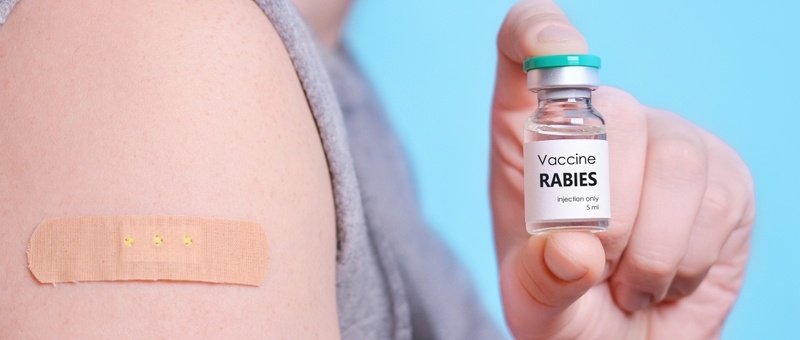
Everything you need to know about the rabies jab
If you are travelling overseas, travel vaccinations against some diseases are compulsory. There is, however, one disease which is usually fatal without prompt treatment and where a pre-travel vaccination is not compulsory: rabies.
by Glynis Kozma

Infections
Vaccination myths you need to stop believing
Despite immunisation being one of the most effective public health measures ever introduced - currently preventing 2-3 million deaths a year - there’s still a growing number of parents who are hesitant to vaccinate their child. We look at the misconceptions that parents should stop believing.
by Karen Gordon
Frequently asked questions
How do vaccines protect both the vaccinated individual and those around them?
Vaccinations prevent you from getting potentially deadly diseases. Because you won't get infected, you cannot pass the disease on to others, thus protecting the wider community.
What specifically are 'anti-vaxxer' myths, and why are public health experts concerned about them?
Anti-vaxxer myths are pieces of misinformation, often spread online, suggesting that vaccines cause harm. Public health experts are concerned because these myths lead to lower vaccination rates, which can result in a resurgence of diseases that were once controlled, like measles.
Can I get the disease the vaccine is protecting against from the vaccine itself?
No, you cannot contract the disease from the vaccine. Vaccines contain a killed or weakened form of bacteria, virus, or toxin, which means there is no risk of catching the actual disease from the jab.
Why do some people experience cold-like symptoms or a high temperature after vaccination?
These symptoms are typically mild side effects that occur because your body is mounting an immune response. Your immune system reacts as if it were under attack, preparing to fight the disease, which can cause temporary, mild discomfort.
What should I do if I feel unwell during or after a vaccination appointment?
If you start to feel unwell at any point during or after the vaccination process, you should stop and seek advice from the person who is administering the vaccine or a healthcare professional.
How can I effectively address my concerns about vaccinations?
The best way to address your concerns is to speak with a pharmacist, nurse, or doctor. They can provide accurate information, reassure you, and explain what you can expect, including potential side effects, based on the specific vaccine and manufacturer's advice.
About the authorView full bio

Abi Millar
Freelance Journalist
BA (Hons), MA
Abi is a freelance journalist with a special interest in health and medicine writing.
About the reviewerView full bio

Dr Sarah Jarvis
Clinical Consultant
MA (Cantab), BM, BCh (Oxon), DRCOG, FRCGP, MBE
After training in medicine at Cambridge and Oxford, Dr Sarah Jarvis MBE became a GP.
Article history
The information on this page is peer reviewed by qualified clinicians.
Article also available in English, German, Spanish, French, Italian, Portuguese, Hindi, Hebrew, Arabic, and Swedish.
13 Dec 2019 | Latest version
Join the conversation
Share your thoughts or experiences with others in our patient communities.

Ask, share, connect.
Browse discussions, ask questions, and share experiences across hundreds of health topics.

Feeling unwell?
Assess your symptoms online for free
Sign up to the Patient newsletter
Your weekly dose of clear, trustworthy health advice - written to help you feel informed, confident and in control.
By subscribing you accept our Privacy Policy. You can unsubscribe at any time. We never sell your data.
More in infections
- Can you get chlamydia from kissing?
- Cystitis in men
- Everything you need to know about the rabies jab
- How good is PEP for preventing HIV?
- How long before you travel should you get vaccinated?
- Is it easy to have an HIV test?
- Oral sex: what you need to know to stay healthy
- Scientists identify a mechanism to 'neutralise' HIV
- Should HIV prevention pills be available on the NHS?
- Video: What are the different types of STI?
- What is HMPV and should we be worried?
- What is walking pneumonia?
- What side effects are associated with the yellow fever vaccine?
- What to do if you think you have an STI
- What you need to know about pneumonia
- When to seek medical treatment for flu
- Why has there been an increase of hepatitis in children?
- Why have I been offered the shingles vaccine?