מה גורם לעור שלנו להתפרץ בפריחה?
נבדק על ידי ד"ר שרה ג'רוויסנכתב על ידי Sarah Grahamפורסם במקור 5 Apr 2019
עומד בהנחיות העריכה של Patient
- הורדהורד
- שתף
- Language
- דיון
- Ask Patient
- גרסת שמע
- הוסף למקורות מועדפים בגוגל
סרפדת - also known as urticaria - is a relatively common itchy rash that causes red or white bumps on the skin. According to the British Association of Dermatologists (BAD), it affects around one in five people at some point in their lives, and in around half of cases the trigger is unknown. But, if you're breaking out in hives, here's what could be behind those itchy bumps.
Explore tablets for allergy symptoms
קבלו ייעוץ רפואי מקצועי בנוחות של ביתכם. השלימו ייעוץ מקוון קצר, הזמין 24/7, ובקשתכם תיבדק על ידי איש צוות רפואי הרשום בבריטניה. משלוח למחרת זמין עבור טיפולים מתאימים.

בחירות וידאו עבור פריחות בעורספריית סרטונים
"Hives is caused by the release of histamine from skin cells called mast cells," explains Dr Justine Kluk of the British Association of Dermatologists.
These chemicals cause fluid to leak from tiny blood vessels just under the surface of your skin, and it's this fluid that forms those bumpy weals on the skin. Meanwhile, histamine chemicals also cause your blood vessels to widen, or dilate, which makes those red or white bumps flare up.
"It typically causes itchy pink or white raised areas of skin, which can look like nettle rash. These areas, known as weals, can appear anywhere on the body and may move from one site on the skin to another over a 24-hour period," Kluk says.
So what triggers the release of histamines? Known triggers include physical stimuli, coming into contact with an allergen, skin contact with certain substances, and viral infections like a cold or flu. However, Kluk explains: "In people with the most common type of hives - spontaneous hives - a trigger is not normally identified."
Physical triggers
Possible physical triggers include heat, cold, sweat, physical pressure, or tight clothes, as well as specific foods and alcohol. Food allergies, reactions to bites or stings, and allergies to certain medications can also all act as triggers for hives, while some people develop the rash after coming into direct skin contact with certain cosmetics, perfumes, plants, latex, or chemicals.
If you're suffering from hives, Kluk also recommends avoiding the medicines codeine, aspirin, ibuprofen and naproxen, which, she says "can increase the release of histamine from mast cells, thus acting as a driver for the hives".
לחץ has also been shown to lower the threshold for many skin conditions to flare up, although Kluk says she wouldn't expect it to be the only reason for hives appearing.
Chronic hives
In chronic cases, where the rash is persistent, Kluk says: "You may have an underlying medical condition that is driving the process, and this would typically be investigated through blood testing."
This type of urticaria, she adds, may also be triggered by factors in the blood, such as antibodies which work against the mast cells.
"If this is suspected, a dermatologist or allergist will include this in their panel of blood tests."
Chronic hives is uncommon, however, and is defined as hives lasting for more than six weeks. Acute (short-lived) hives develops suddenly and typically only lasts 24-48 hours. In some cases, the rash may only last a few hours, but any episode of hives lasting less than six weeks is considered 'acute', even if you suffer from recurring flare-ups.
Treating hives
When it comes to tackling hives, Kluk says: "Treatments can be used to suppress the symptoms, rather than curing the condition. The most common treatment is antihistamine tablets, which block the effect of histamine and reduce the itch and rash."
If you experience recurring hives regularly, she explains, your doctor will likely recommend that you take an antihistamine daily to keep the symptoms at bay.
"Other treatment options for hives may include oral steroids," Kluk adds. "And, in people with severe chronic spontaneous hives, a new biological treatment injection called omalizumab has been made available in specialist clinics."
Avoiding triggers
If you know what tends to trigger your hives, the best course of action is obviously to steer clear as much as possible. However, as Kluk points out: "Triggers vary between patients, so there are no set rules for how to avoid triggering hives."
Keeping a symptom diary or going for an allergy test can be useful for working out if there's a specific trigger - for example, if you're more likely to develop hives after eating a certain food or coming into contact with a particular substance. You can then try avoiding or cutting these out to see if it helps stave off the rash.
בחירות המטופלים עבור פריחות בעור
בריאות העור, הציפורניים והשיער
תלונות עור נפוצות: הבנת פטרת שמש
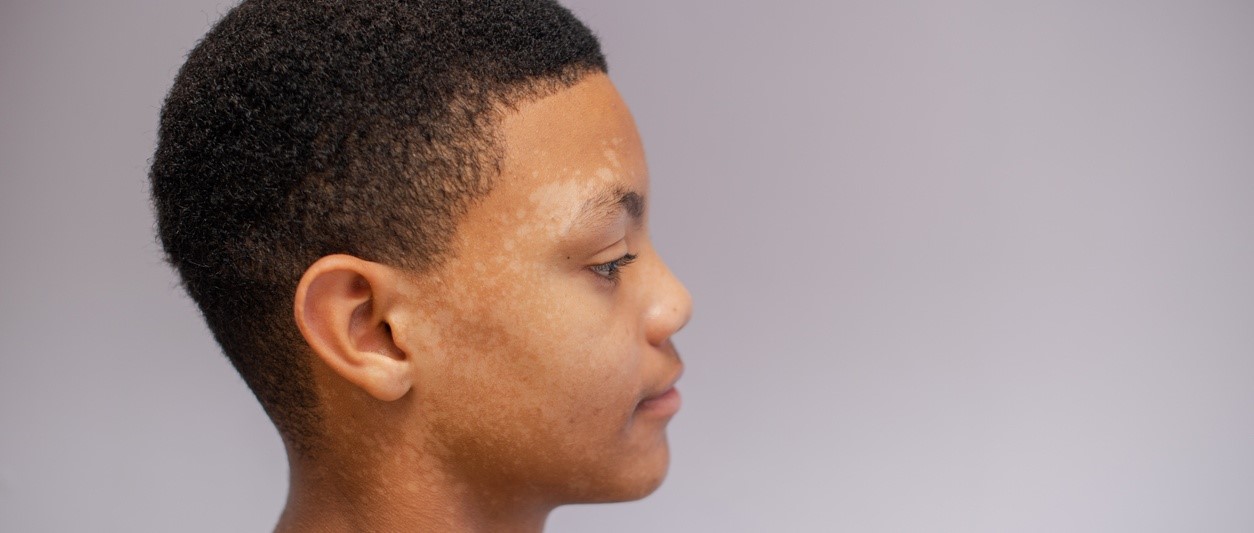
If you've noticed a rash of patchy colours develop on your skin, you may have tinea versicolor - which also goes by the name pityriasis versicolor. This common skin condition can happen to anyone, no matter how healthy and fit they are, and can be managed with various treatments.
מאת אמברלי דייוויס
בריאות העור, הציפורניים והשיער
מהם הגורמים הנפוצים לפריחות בקיץ?
טמפרטורות גבוהות או חשיפה לשמש יכולות לפעמים להיות חדשות רעות לעור, ולהוביל לפריחות קיץ. פריחות בעור יכולות להיות נפוצות יותר בתנאים חמים או לחים - במיוחד פריחת חום - אז אם לך או לילדך יש פריחה חדשה בתקופה זו של השנה, יכולות להיות לכך מספר סיבות שונות.
מאת לורנס היגינס
אודות המחברצפה בפרופיל המלא
נכתב על ידי

Sarah Graham
עיתונאי בריאות עצמאי
תואר שני, עיתון, עיתונאות
שרה גרהאם היא עיתונאית בריאות עצמאית זוכת פרסים, ומייסדת הבלוג הפמיניסטי לבריאות נשים Hysterical Women.
אודות המבקרצפה בפרופיל המלא

Dr Sarah Jarvis
יועץ קליני
MA (Cantab), BM, BCh (Oxon), DRCOG, FRCGP, MBE
לאחר הכשרה ברפואה בקיימברידג' ואוקספורד, ד"ר שרה ג'רוויס MBE הפכה לרופאת משפחה.
שתפו את מחשבותיכם או חוויותיכם עם אחרים ב קהילות המטופלים שלנו.
הירשמו לניוזלטר של פיישנט
המנה השבועית שלך של עצות בריאות ברורות ואמינות - נכתבה כדי לעזור לך להרגיש מעודכן, בטוח ובשליטה.
על ידי הרשמה אתה מקבל את שלנו מדיניות הפרטיות שלנו. באפשרותך לבטל את המנוי בכל עת. לעולם לא נמכור את הנתונים שלך.