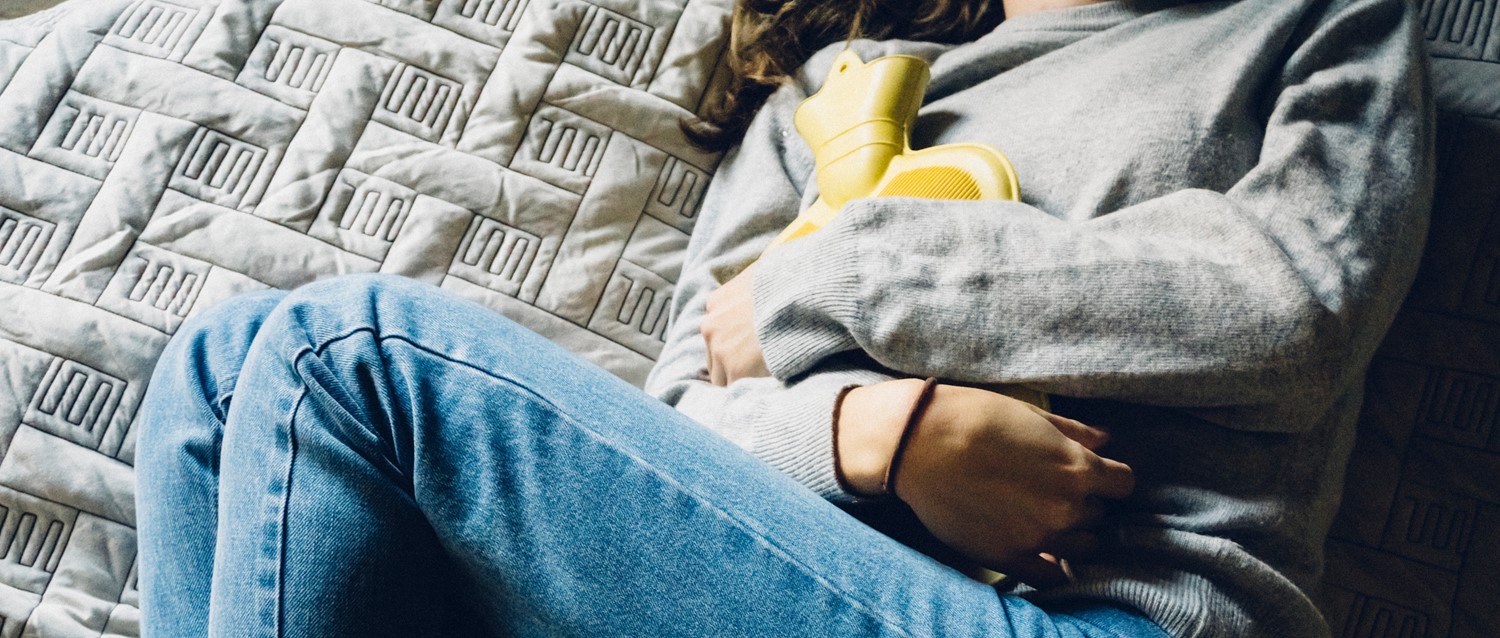
כמה כאבי מחזור נחשבים תקינים?
נבדק על ידי ד"ר שרה ג'רוויסנכתב על ידי לידיה סמיתפורסם במקור 27 Jan 2019
עומד בהנחיות העריכה של Patient
- הורדהורד
- שתף
- Language
- דיון
- Ask Patient
- גרסת שמע
- הוסף למקורות מועדפים בגוגל
Most women will experience period pain at some point in their lives, which can range from a dull ache to sharp pains. For some, menstrual cramps can be managed with pain medications, but for other women, severe pain - known as severe dysmenorrhoea - can be debilitating and seriously impact their quality of life.
Find relief from period pain
קבלו ייעוץ רפואי מקצועי בנוחות של ביתכם. השלימו ייעוץ מקוון קצר, הזמין 24/7, ובקשתכם תיבדק על ידי איש צוות רפואי הרשום בבריטניה. משלוח למחרת זמין עבור טיפולים מתאימים.

Going to work with period pain
ב YouGov survey carried out in 2017, 42% of respondents said period pain had affected their ability to do their jobs - and 82% said their employers made no accommodations for it.
"After coming off the pill my וסת pains have grown worse and worse," says Amy, 32. "Often leading to me needing to cancel plans, but I don't phone in sick as it's still socially unacceptable for that.
"My pain affects my thighs and back, it sort of takes over for three out of my four day periods," she adds. "However painkillers don't seem to cure them. Hot water bottle, paracetamol and riding it out is my plan each month."
Why are periods painful?
וסתי or period cramps occur when the muscular wall of the womb contracts more vigorously during your period, in order to encourage the womb lining to shed away.
When the muscular wall of the womb contracts, it compresses the blood vessels lining your womb, which cuts off the blood supply. Without the supply of oxygen, the tissues in your womb release chemicals that trigger pain.
At the same time, your body also produces chemicals called prostaglandins, which encourage the womb muscles to contract further - causing more pain.
Painful periods are divided into two main groups. In 'secondary dysmenorrhoea', there is an underlying cause for the pain. In 'primary dysmenorrhoea' the cause isn't clear, but it may be that some people produce more prostaglandins.
What causes period pain?
"Sometimes there isn't a reason why some women have more painful periods than others, but often there is," says Mr Narendra Pisal, a consultant gynaecologist at London Gynaecology. "And even if everything is normal, we can always do something to help alleviate the pain."
אנדומטריוזיס
אנדומטריוזיס is one of the most common reasons for painful periods, Pisal explains. "This is where the inner lining of the uterus is inside the abdomen, causing painful periods and sometimes also pain during sex," he says.
It is a chronic and debilitating condition that causes painful or heavy periods and may also lead to infertility, fatigue and bowel and bladder problems.
Yet despite one in ten women being affected by endometriosis, it takes an average of 7.5 years from the onset of symptoms to get a diagnosis - with many women dismissed as 'just' having period pain.
שרירנים
שרירנים are another common cause of pain during your period. "These are common benign (non-cancerous) lumps of the uterine muscle, which can cause painful and heavy periods," Pisal says.
Many women are unaware they have fibroids because they don't have any symptoms, but those who do may experience abdominal pain, lower back pain, a frequent need to urinate, constipation and pain during sex, along with heavy periods.
Adenomyosis
A medical condition called adenomyosis may also cause heavy, painful or irregular periods, as well as pain during sex and bowel problems.
"This is where the lining of the uterus is in the wall of the uterus and can cause trapping of blood and inflammation during periods which is painful," Pisal says.
וסת כבדה
"Heavy periods with clots are often painful too," he adds. A heavy period is defined as losing 80 ml or more of blood during each period, or having periods that last longer than a week, or both, according to the NHS.
If your periods are heavy, you may have to change your sanitary products every hour or two, pass blood clots larger than a 10p coin, or bleed through your clothing despite pads and tampons. The NHS offers an online self-assessment to find out whether your periods are heavy.
Hormonal imbalance
"Hormonal imbalance is often the cause when there is no other physical explanation," Pisal adds.
מחלה דלקתית של האגן (PID)
Painful periods may also be caused by מחלת דלקת אגן (PID), when the womb, Fallopian tubes and ovaries become infected with bacteria and inflamed. Although many women don’t have pelvic inflammatory disease symptoms, some may experience heavy or painful periods, lower abdominal pain, discomfort during sex, pain during urinating, bleeding between periods or unusual vaginal discharge.
What are the signs that period pain could be something more serious?
If you are struggling with painful periods, it's important not to suffer in silence. Painful menstrual cramps don’t always indicate an underlying problem, but Pisal says there are a few signs that the pain could be something more serious.
The first is intensity. "If you need to take constant painkillers or cannot do your day-to-day activities, you need to seek medical advice, diagnosis and treatment," he says. "Associated symptoms, such as fainting, loose motions, painful motions, and vomiting, also indicate that you need to see a doctor."
Needing to take time off work or school can also be a sign. "If your periods are affecting the quality of life in a major way, it is important to take steps to alleviate the symptoms," Pisal adds.
You should also take note of the heaviness of your periods. "If the pain is associated with heavier periods with clots and flooding, that can indicate a physical problem such as uterine fibroids," he says.
Likewise, כאב during sex shouldn’t be ignored, as it could be an indication of a condition such as endometriosis.
What helps period pain?
Seeing your GP
"Always see your doctor to discuss your symptoms," Pisal says. You should see your GP if you have intense pain or מחזורים כבדים, or if your normal pattern of periods changes - eg, if it becomes irregular.
Your GP may want to carry out a pelvic examination to help diagnose or rule out certain conditions. They may refer you for a pelvic ultrasound, which doesn't hurt and will detect any abnormalities in your reproductive organs. They may also refer to you a specialist.
משככי כאבים
"Simple painkillers can help reduce pain, but don't underestimate the power of a hot water bottle," says Pisal. "Prescription medications such as tranexamic acid (reduces the amount of menstrual bleeding) and mefenamic acid (great for relieving spasms) are very effective."
Studies have shown paracetamol is not as effective at reducing period pain as ibuprofen or aspirin.
The contraceptive pill
"Taking the גלולה למניעת הריון משולבת often can make the periods lighter and less painful," Pisal says.
This can ease period pain because it thins the womb lining and reduces the amount of prostaglandin your body releases.
Mirena coil (intrauterine system)
The Mirena coil is a type of intrauterine system, or IUS, which is a hormonal type of contraception that is placed in your womb (uterus) by a doctor or nurse.
It releases the hormone progestogen to stop you from getting pregnant and lasts for up to five years. It can also be used to reduce heavy periods, which can also help with cramping pain.
שינויים באורח החיים
א Australian study published in 2014 found women who smoke are more likely to experience severe cramps during menstruation, so quitting may help reduce the intensity.
And although exercising may be the last thing on your mind when you're on your period, gentle exercise - such as a walk - can help relieve pain and improve well-being. Taking time to להירגע, such as having a warm bath, can also help.
Find relief from period pain
קבלו ייעוץ רפואי מקצועי בנוחות של ביתכם. השלימו ייעוץ מקוון קצר, הזמין 24/7, ובקשתכם תיבדק על ידי איש צוות רפואי הרשום בבריטניה. משלוח למחרת זמין עבור טיפולים מתאימים.
בחירות המטופלים עבור וסת ובעיות וסת
בריאות האישה
למה כדאי לעקוב אחרי המחזור שלך
New technology means it's easier than ever to keep track of your social life, work and even your health. Period tracking apps have grown in popularity in recent years, and for good reason. Keeping track of your menstrual cycle, whether on your phone or on paper, can enable you to understand your body, recognise symptoms and keep track of your fertility.
מאת מילי אוונס
בריאות האישה
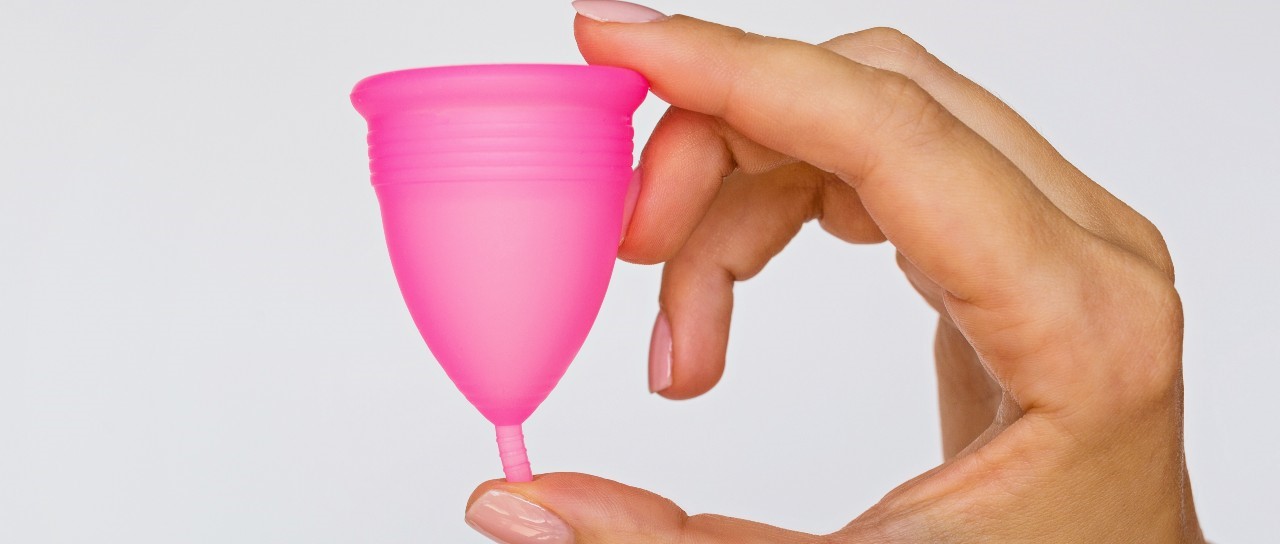
האם גביעוניות יכולות לסייע במאבק בעוני מחזור?
עוני מחזורי נוצר כאשר אנשים מתקשים להשיג מוצרי מחזור בשל מגבלות כלכליות, והוא משפיע על חיי היומיום של מיליוני אנשים שמקבלים וסת ברחבי העולם. אחת מכל עשר נשים שמקבלות וסת במדינה אינה יכולה להרשות לעצמה לקנות מוצרי מחזור.
מאת אמילי ג'יין בשפורת
אודות המחברצפה בפרופיל המלא
נכתב על ידי

לידיה סמית
כותב תכנים
BA, MA, MSc
לידיה סמית' היא עיתונאית וסופרת כתבות זוכת פרסים שכתבה בהרחבה על בריאות נשים ובריאות נפשית. היא לומדת כעת לתואר שני בפסיכולוגיה.
אודות המבקרצפה בפרופיל המלא

Dr Sarah Jarvis
יועץ קליני
MA (Cantab), BM, BCh (Oxon), DRCOG, FRCGP, MBE
לאחר הכשרה ברפואה בקיימברידג' ואוקספורד, ד"ר שרה ג'רוויס MBE הפכה לרופאת משפחה.
שתפו את מחשבותיכם או חוויותיכם עם אחרים ב קהילות המטופלים שלנו.
גישה פשוטה לטיפולים ושירותי בריאות אמינים באינטרנט.
Common conditions
Get help with common conditions through the NHS, without a GP appointment.





הירשמו לניוזלטר של פיישנט
המנה השבועית שלך של עצות בריאות ברורות ואמינות - נכתבה כדי לעזור לך להרגיש מעודכן, בטוח ובשליטה.
על ידי הרשמה אתה מקבל את שלנו מדיניות הפרטיות שלנו. באפשרותך לבטל את המנוי בכל עת. לעולם לא נמכור את הנתונים שלך.