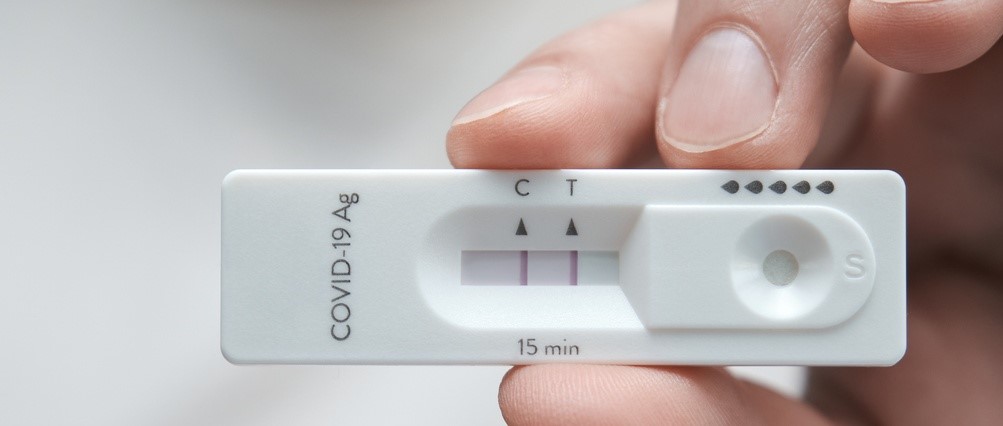
מה אנחנו יודעים על הווריאנטים החדשים של COVID-19, אריס ופירולה
נבדק על ידי Dr Krishna Vakharia, MRCGPנכתב על ידי לידיה סמיתפורסם במקור 12 ספטמבר 2023
עומד בהנחיות העריכה של Patient
- הורדהורד
- שתף
- Language
- דיון
- Ask Patient
- גרסת שמע
- הוסף למקורות מועדפים בגוגל
With lockdowns a thing of the past, COVID-19 may not be at the forefront of everyone's minds - but it is continuing to spread. And as long as it does so, mutations of the virus, often referred to as different variants, will continue to emerge. Here we look at what we know about the two new strains, Eris and Pirola.
What we know about the new COVID-19 variant Eris
As a virus spreads from person to person, its genetic make-up gradually changes. This mutation process helps to ensure the virus can survive, to allow it to continue spreading and reproducing.
Since it emerged, COVID-19 has continued to mutate into many different variants, which has enabled it to evade immune responses and חיסונים. So even though getting your jabs will prevent against serious illness, they may not always stop you from getting the virus. However, your symptoms will be milder.
One of the newest COVID-19 variants - called EG.5.1 or Eris - emerged in the UK over the summer. First classified as a variant by the World Health Organization (WHO) on 9th August1, it is a descendent of the אומיקרון variant which first appeared in November 2021 and has had many sub-variants.
Eris is now the second most common variant in the UK2 and the most prevalent in the United States, according to the Centers for Disease Control and Prevention (CDC)3.
What are the symptoms of Eris?
Currently, there is no evidence to suggest Eris causes any new COVID-19 symptoms. The symptoms we are aware of include - חום נמוך, aches and pains, a continuous cough, changes in taste and/or smell, עייפות, runny nose and a כאב גרון.
Is Eris dangerous?
Although hospital admissions for COVID-19 have risen over the summer4, the WHO has said the public health risk posed by Eris is low. The rise in cases and hospital admissions have been attributed to waning immunity and a rise in indoor mixing because of the wet weather.
Mary Ramsay, head of immunisation at the UK Health Security Agency, said in a statement: "The latest data shows that COVID-19 cases continue to rise. To help combat the spread of the virus, we continue to advise that anyone with symptoms of a respiratory infection should try to stay at home and away from others - especially those who are vulnerable.
"Hospitalisations are also increasing, but still remain at very low levels. ICU admissions have increased in this week's report, but remain extremely low."
The best way to protect yourself from any COVID-19 variant is to keep up-to-date with your booster vaccinations, as this protects you against severe disease.
What we know about the new COVID-19 variant Pirola
Another COVID-19 variant called BA.2.86 or Pirola is also spreading5. Like Eris, Pirola is another sub-variant of אומיקרון. This variant was detected in the UK on 18th August and has also been identified in Israel, Denmark and the US.
מהם התסמינים של פירולה?
The symptoms of Pirola are similar to other COVID-19 variants and include - חום נמוך, aches and pains, a continuous cough, changes in taste and/or smell, עייפות, runny nose and a sore throat.
Is Pirola dangerous?
Experts have noted that Pirola has many genetic differences from previous versions of COVID-196.
Because this variant has more mutations, it may be more likely to cause ‘breakthrough infections’ - where people still get infected with the virus despite being fully vaccinated. However, being vaccinated prevents serious illness if you do catch COVID-19.
It is too soon to know whether the Pirola variant will cause more severe illness compared with previous variants, according to the CDC. At the moment, though, there's no evidence to suggest it's more dangerous.
It's important to get your חיסונים to prevent against serious illness with any variant of COVID-19.
How to protect yourself against COVID-19
Get your COVID-19 vaccinations.
Wash your hands frequently and thoroughly.
Wear a mask in public.
Avoid other people if you have symptoms or get a positive result after doing a test.
Test yourself if you have symptoms.
Let fresh air into your home.
קריאה נוספת
בחירות המטופלים עבור מידע על וריאנטים

COVID-19
מהם התסמינים של וריאנט הקורונה פיורלה?
מקרי COVID-19 נמצאים בעלייה, מונעים על ידי התפשטות של וריאנט חדש שנקרא פירולה. אבל איך תוכל לדעת אם יש לך את הנגיף - והאם עליך לבודד את עצמך?
מאת לידיה סמית
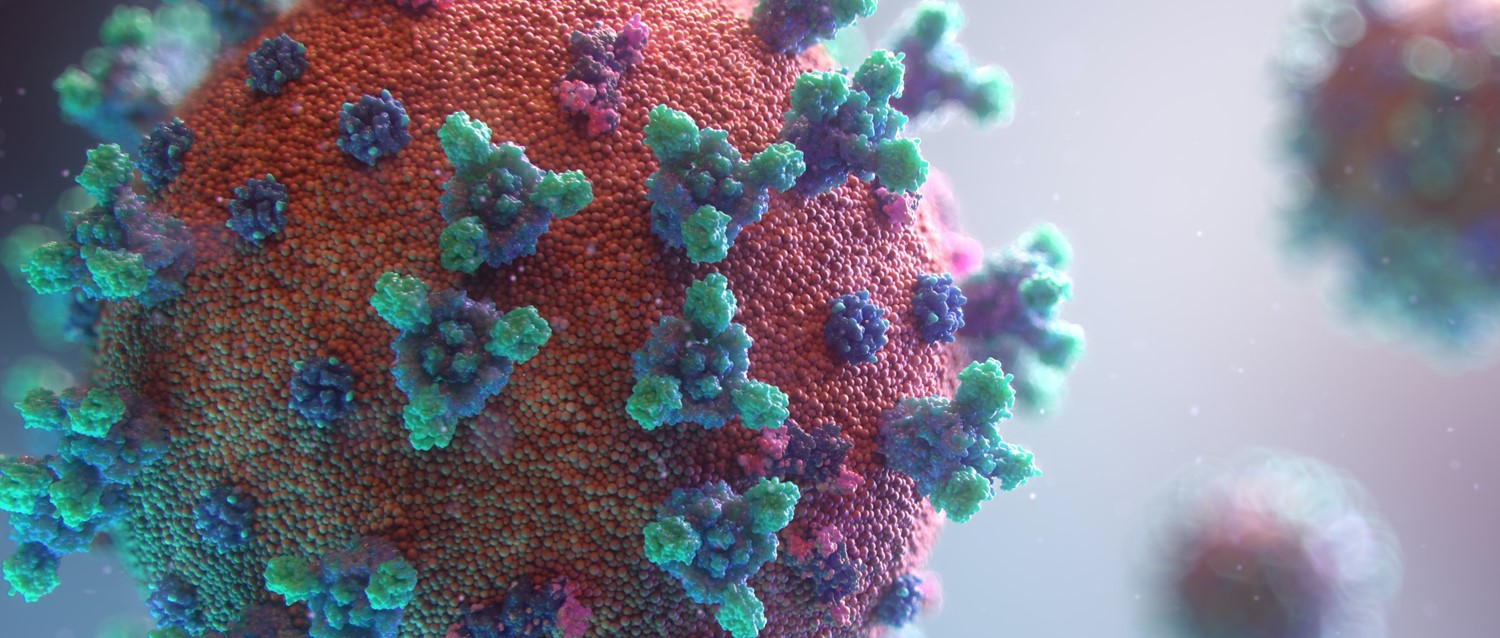
COVID-19
COVID-19: האם אומיקרון מהווה איום גדול יותר מהווריאנט דלתא?
עברו פחות משלושה שבועות מאז שהמדענים בדרום אפריקה ובבוצואנה השמיעו את האזעקה על זן חדש ומדאיג של COVID-19. מאז, זן האומיקרון התפשט במהירות, מה שהוביל להאצת תוכנית החיסונים המשלימים בבריטניה. אבל האם זן האומיקרון מהווה איום גדול יותר מאשר הזנים הקודמים - ומה אנחנו יודעים עליו עד כה?
מאת לידיה סמית
אודות המחברצפה בפרופיל המלא
נכתב על ידי

לידיה סמית
כותב תכנים
BA, MA, MSc
לידיה סמית' היא עיתונאית וסופרת כתבות זוכת פרסים שכתבה בהרחבה על בריאות נשים ובריאות נפשית. היא לומדת כעת לתואר שני בפסיכולוגיה.
אודות המבקרצפה בפרופיל המלא

Dr Krishna Vakharia, MRCGP
קצין רפואה ראשי לבריאות, Optum UK
MBChB, MRCGP(2013), BMedSci (hons), DFSRH, DRCOG, PGDipDerm (Distn)
ד"ר קרישנה וקאריה היא רופאת משפחה ב-NHS. היא גם בוחנת קבועה לדיפלומה לתואר שני בדרמטולוגיה מעשית באוניברסיטת קרדיף וכן משמשת כקצינת הרפואה הראשית לבריאות ב-Optum UK.
שתפו את מחשבותיכם או חוויותיכם עם אחרים ב קהילות המטופלים שלנו.
גישה פשוטה לטיפולים ושירותי בריאות אמינים באינטרנט.
Common conditions
Get help with common conditions through the NHS, without a GP appointment.





הירשמו לניוזלטר של פיישנט
המנה השבועית שלך של עצות בריאות ברורות ואמינות - נכתבה כדי לעזור לך להרגיש מעודכן, בטוח ובשליטה.
על ידי הרשמה אתה מקבל את שלנו מדיניות הפרטיות שלנו. באפשרותך לבטל את המנוי בכל עת. לעולם לא נמכור את הנתונים שלך.