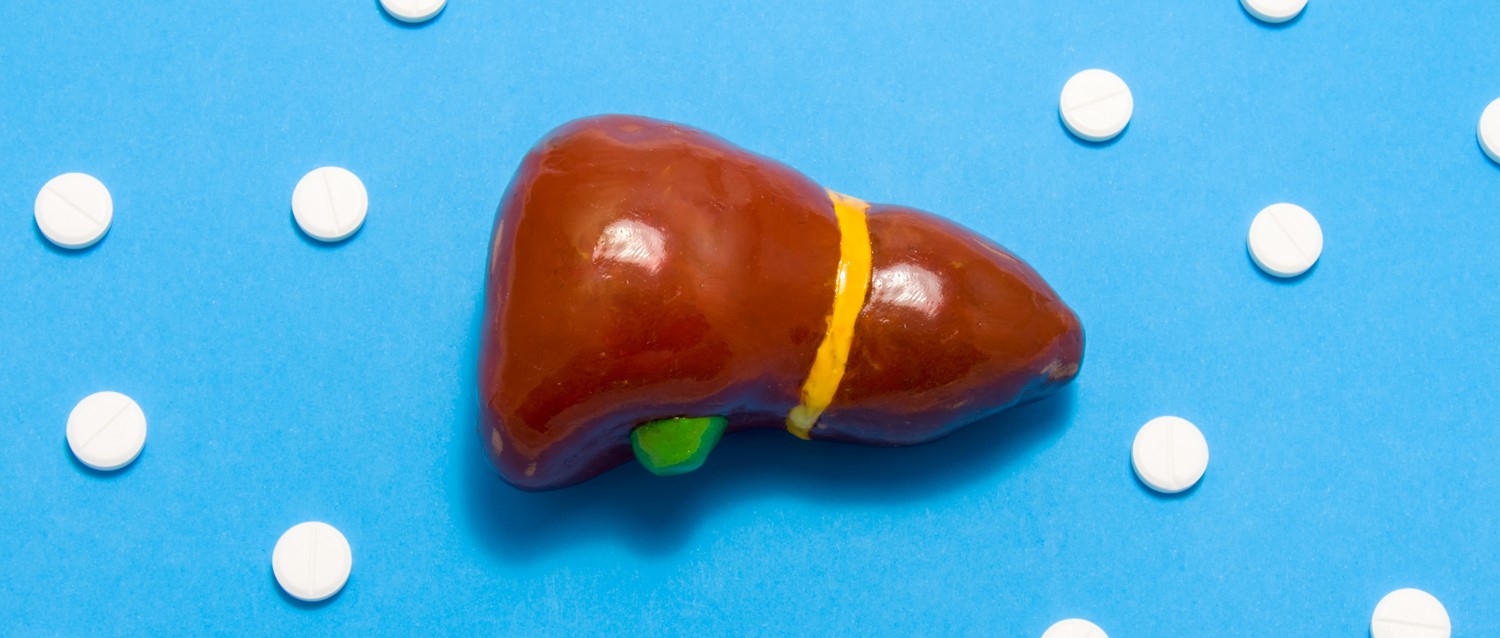
מהי דלקת כבד אוטואימונית וכיצד היא שונה מצורות אחרות?
נבדק על ידי Dr Krishna Vakharia, MRCGPנכתב על ידי Amberley Davisפורסם במקור 29 Jul 2022
עומד בהנחיות העריכה של Patient
- הורדהורד
- שתף
- Language
- דיון
- Ask Patient
- גרסת שמע
- הוסף למקורות מועדפים בגוגל
You may have heard of hepatitis, but did you know that this liver condition can be both contagious and non-contagious? There are several causes of hepatitis, and different causes correspond to different types of the disease. Autoimmune hepatitis is an uncommon cause that may lead to serious complications.
Hepatitis has many causes
How rare is autoimmune hepatitis?
It is thought that around 10,000 people in the UK are living with autoimmune hepatitis1. This makes up a small percentage of people living with a type of הפטיטיס - where your liver becomes inflamed (swollen) risking further liver damage and serious complications.
The type of hepatitis you have is related to what caused this liver inflammation. These are all treated differently, and fall into the following categories:
Viral hepatitis (includes hepatitis A, B, C, D, and E) - each letter corresponds to a particular virus that can spread from person to person, causing infections that lead to hepatitis.
Toxic hepatitis - potential toxins (substances that can be harmful to your body) include alcohol (alcoholic hepatitis) chemicals, or drugs. This includes some medications which have been known to trigger toxic reactions in some people.
מחלת כבד שומני שאינה נגרמת מאלכוהול - describes a range of conditions caused by a build-up of fat in the liver. Hepatitis is one possible effect this can have.
הפטיטיס אוטואימונית - a condition where your immune system attacks and causes damage to your liver.
What is autoimmune hepatitis?
Autoimmune hepatitis is an autoimmune disease; this means that your body's מערכת חיסונית makes antibodies to attack your liver cells, mistaking them for foreign cells that could cause you harm. Experts have identified two types of autoimmune hepatitis: type 1 and type 2. Your body makes different antibodies in each type.
This internal attack can cause inflammation and liver damage. Experts are not sure why this happens in some people and not in others, but there are a few possible triggers:
Is autoimmune hepatitis hereditary?
You could have a genetic predisposition to autoimmune hepatitis. This means that certain genes passed on to you from your family could make your immune system more likely to turn on its own cells. This is why 30-50% of people with autoimmune hepatitis also have other autoimmune conditions, such as סוכרת סוג 1 ו מחלת בלוטת התריס1.
Can certain substances cause autoimmune hepatitis?
Just like toxic hepatitis, certain harmful substances such as medicines and chemicals can cause your liver to become inflamed. Whereas in toxic hepatitis it's these toxins themselves that cause the damage, in autoimmune hepatitis it's your body's defence response that does the harm.
Can stress cause autoimmune hepatitis?
The link between רגשי and autoimmune disease has been implicated in many studies. One study found a significantly higher incidence of autoimmune diseases, such as דלקת מפרקים שגרונית ו זאבת, among those previously diagnosed with stress-related illnesses2.
Another that focused specifically on people living with autoimmune hepatitis found that those who were stressed were more likely to relapse (have their symptoms return after treatment)3.
How do you test for autoimmune hepatitis?
Symptoms of autoimmune hepatitis can range from non-existent or mild (for example, feeling tired, sick, or achy) to severe (for example, yellow skin, dark urine, or abnormal blood vessels).
In fact, many people have no symptoms for quite some time, which means that most will only be diagnosed when they are tested for an unrelated condition.
When your symptoms suggest you may have hepatitis, your doctor can run the following tests:
Blood tests, including liver function tests and other blood tests that measure antibodies found in autoimmune diseases.
An ultrasound scan of the liver.
A small sample of the liver can be taken and studied under a microscope (a liver biopsy).
Can autoimmune hepatitis be cured?
While some types of hepatitis are acute (short-term), autoimmune hepatitis is always chronic (lasts longer than six months) and is often with you for life. As the inflammation gradually damages your liver cells, there is a risk of serious and even life-threatening complications.
כוללים:
The good news is that treatment makes a huge difference. This comes in the form of various medicines that improve your symptoms and reduce your chances of developing these complications.
How long can you live with autoimmune hepatitis?
Within 10 years of developing autoimmune hepatitis, it is thought that your chances of dying are twice that of someone without autoimmune hepatitis4. However, medicines are dramatically changing the course of the disease and are providing hope:
Without treatment - roughly 40-50% of people with severe autoimmune hepatitis die within six months to five years.
With treatment - around 84-94% of people live beyond the 10-year mark5 and have a normal life expectancy.
Can you live a normal life with autoimmune hepatitis?
It's one thing looking at life expectancy, but what about the quality of your life? Thanks to treatment, most people with autoimmune hepatitis feel well most of the time. It's common to be on treatment on-and-off throughout your life, as autoimmune hepatitis symptoms often return.
The general advice is to follow a תזונה בריאה, as this may reduce the risk of complications.
Can you drink alcohol with autoimmune hepatitis?
As all alcoholic beverages can cause further harm to your liver, ideally you should avoid drinking. Failing that, you should only drink in very small amounts. Alcohol causes inflammation and can be a sole cause of (alcoholic) hepatitis. If your liver is already inflamed, drinking can speed up liver damage that leads to serious illness.
קריאה נוספת
בחירות המטופלים עבור כבד וכיס המרה

בריאות מערכת העיכול
דיאטה לאבני מרה: מזונות שכדאי לאכול ולהימנע מהם
1 in 3 women and 1 in 6 men will develop gallstones at some point. Gallstones are small stones - usually made up of bile - that form in your gallbladder. Here we share the foods that can prevent gallstones, trigger uncomfortable symptoms, or make them better.
מאת לין סטיבן

בריאות מערכת העיכול
האם זה יכול להיות אבני מרה?
Gallstones are very common: around one in three women and one in six men will get them at some point. However, they don't always cause symptoms - around two in three people who have gallstones don't know they have them. But they are also a common cause of tummy pain. They get more common with age and those who are overweight, smoke, have type 2 diabetes or high cholesterol, take the oral contraceptive pill, or have lost a lot of excess weight in a short amount of time, have an increased risk of gallstones. They can sometimes run in families.
מאת ד"ר שרה ג'רוויס
אודות המחברצפה בפרופיל המלא
נכתב על ידי

אמברלי דייוויס
כותב בכיר
BA (Hons), CPD
אמברלי היא כותבת בכירה ב-Patient וכתבה בהרחבה על מגוון נושאים בתחום הבריאות והרווחה.
אודות המבקרצפה בפרופיל המלא

Dr Krishna Vakharia, MRCGP
קצין רפואה ראשי לבריאות, Optum UK
MBChB, MRCGP(2013), BMedSci (hons), DFSRH, DRCOG, PGDipDerm (Distn)
ד"ר קרישנה וקאריה היא רופאת משפחה ב-NHS. היא גם בוחנת קבועה לדיפלומה לתואר שני בדרמטולוגיה מעשית באוניברסיטת קרדיף וכן משמשת כקצינת הרפואה הראשית לבריאות ב-Optum UK.
שתפו את מחשבותיכם או חוויותיכם עם אחרים ב קהילות המטופלים שלנו.
גישה פשוטה לטיפולים ושירותי בריאות אמינים באינטרנט.
Common conditions
Get help with common conditions through the NHS, without a GP appointment.





הירשמו לניוזלטר של פיישנט
המנה השבועית שלך של עצות בריאות ברורות ואמינות - נכתבה כדי לעזור לך להרגיש מעודכן, בטוח ובשליטה.
על ידי הרשמה אתה מקבל את שלנו מדיניות הפרטיות שלנו. באפשרותך לבטל את המנוי בכל עת. לעולם לא נמכור את הנתונים שלך.