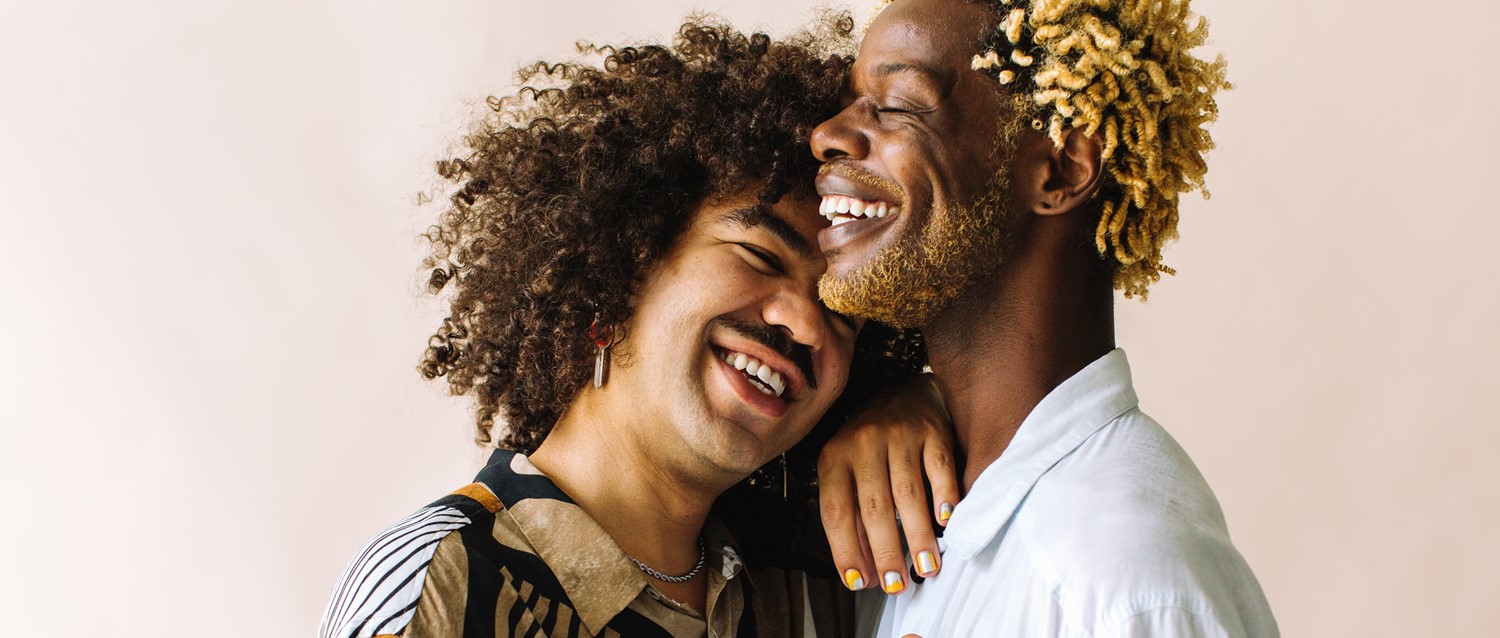
ניפוץ סטריאוטיפים ומיתוסים על גברים הומואים
נבדק על ידי Dr Krishna Vakharia, MRCGPעודכן לאחרונה על ידי Emily Jane Bashforthעודכן לאחרונה 7 Jul 2022
עומד בהנחיות העריכה של Patient
- הורדהורד
- שתף
- Language
- דיון
- גרסת שמע
- הוסף למקורות מועדפים בגוגל
Gay stereotypes and myths can have severe mental and physical health consequences. It wasn't so long ago that it was illegal to be gay in Britain. While areas of society have progressed, it's important we continue dismantling harmful misconceptions to create safe spaces for LGBTQ+ people to be themselves.
What does it mean to be gay?
A gay man is someone who has a romantic and/or sexual orientation towards other men. 'Gay' has also become a more generic term for other members of the LGBTQ+ community, with some lesbians preferring it to 'lesbian,' and non-binary people using the label too.
A brief history of homosexuality
It has been a long process for gay men to have the rights and visibility they have today. In some countries, same-sex relationships are still punishable by death (including Afghanistan, Nigeria and Qatar).
As for the UK, it wasn't until 1967 when sex between two men over the age of 21 and 'in private' was decriminalised with The Sexual Offences Act.
The first Pride was held in London in 1972 before Section 28 was introduced in 1988 to "prohibit the promotion of homosexuality by local authorities". This included schools. Section 28 was only repealed in 2003.
Meanwhile, it took until 1992 for the World Health Organization (WHO) to declassify same-sex attraction as a mental illness and the Marriage (Same Sex Couples) Act was passed in 2013. This, essentially, made lesbian and gay marriages lawful.
Same-sex marriage only became legal in Northern Ireland in 2020.
How do stereotypes about gay men affect them?
Workplace discrimination
The Equality Act 2010 protects LGBTQ+ people from direct discrimination, indirect discrimination, harassment and victimisation at work. However, 35% of LGBTQ+ employees hide their identity for fear of discrimination1. 12% say they wouldn't feel confident reporting any homophobic or biphobic bullying to their employer, despite 18% of LGBTQ+ staff being targeted with negative comments or conduct from work colleagues because they're LGBTQ+. This number is even higher for Black, Asian and minority ethnic employees.
Hate crimes and the pandemic
Recorded hate crimes soared during the pandemic specifically. From January to August 2021, at least 14,670 homophobic hate crime offences were recorded, compared with 10,817 in 2019.
LGBTQ+ anti-violence charity Galop says they saw victims experiencing forms of abuse and violence that were either exacerbated by the pandemic itself or caused by it.
"We have some people who were victims of abuse and attacks because of being blamed for the pandemic itself, either because perpetrators thought the pandemic was an act of God - because of the existence of LGBTQ+ people - or because of the community's association with the last major pandemic in people's minds, and that’s the HIV/AIDs pandemic," says chief executive Leni Morris.
Mental health and homelessness
There have long been disparities between mental health problems in LGBTQ+ and non-LGBTQ+ folk. In 2011, for example, a study found that LGBTQ+ people were eight times more likely to attempt suicide and six times more likely to be דיכאון if they had unsupportive families2.
It has since been consistently reported that LGBTQ+ people have increased levels of mental health problems.
Gay men specifically are vulnerable to depression. The prevalence of depression amongst gay men is three times higher than that of the general adult population3. Meanwhile, gay men are more likely to have suicidal thoughts, plans or attempts.
Young LGBTQ+ people make up 24% of the youth homeless population in Britain. In 2021, youth homelessness charity AKT's LGBTQ+ report found 92% of those surveyed said being homeless has had a negative impact on their mental health, while 58% said it impacted their physical health. 17% felt they had to have casual sex to find somewhere to stay while homeless4.
Accessing healthcare
According to Stonewall, gay men are more likely to avoid seeking healthcare for fear of discrimination from staff. For example, 1 in 4 gay and bisexual men have never been tested for sexually transmitted infections (מחלות מין).
Healthcare providers have a legal duty to treat LGBTQ+ people fairly under the Equality Act 2010. However, many still remain anxious or scared about seeking medical advice for a health concern.
Dispelling gay men stereotypes ...
All gay men are camp, flamboyant and have a particular fashion sense
There is a multitude of ways for gay men to be visible. However, there are still stereotypes around how gay men dress, look and even sound, perpetuating the idea that you can 'tell' if someone is gay because their appearance is more 'camp' or 'feminine'. This subject area is vast and complicated. However, the 'feminine' gay stereotype can negatively impact how gay men view their bodies and it can make gay people feel like they need to fit into a box in order for their sexuality to be valid. It is known that gay men have higher rates of eating disorders and body dissatisfaction than straight men.
It's important to remember that being gay doesn't look one way. While one gay man might come across as happily flamboyant and enjoy wearing stereotypically 'feminine' outfits, another may not. Being a gay man is defined by attraction to other men, not a dress sense.
However, it is worth noting that many LGBTQ+ people use their clothing and certain stereotypes to seek out their people and signal to one another. This dates way back, most famously to the 1970s when gay men placed handkerchiefs in their back pockets when they were seeking casual sex. Each colour, and even which pocket it was in, had a meaning. Codes were essential to the development of communities and safe spaces.
All gay men are promiscuous and frequently have unprotected sex
The sexual desires and behaviour of gay men vary from person to person, just like straight men. While some may be very sexually active, some are also celibate. However, there is a gay stereotype that all gay men 'sleep around'.
This is an idea greatly perpetuated by the media for decades, such as the Queer as Folk drama of 1999. While some gay men enjoy hooking up on dating apps or having frequent casual sex, the expectation for all gay men to want the same can impact confidence and self-esteem. Some of these expectations tied to gay identity surrounding sex are enforced by the gay community itself.
In fact, 15% of men say they have low interest in sex5. While casual sex and 'promiscuity' shouldn't be shamed (especially since there was a time when gay men could not be so open about their desires), we need also to acknowledge that gay male desire and sexual practices aren't one-size-fits-all.
Every gay man has HIV
Rates of HIV have been higher amongst members of the LGBTQ+ community for a long time. However, for the first time in a decade, the number of HIV infections in heterosexual people has actually surpassed that of gay and bisexual men in the UK. This follows a report from the Health Security Agency (HSA), showing that there has been a 50% increase in new diagnoses in straight men and women, with a 45% increase in gay and bisexual גברים6
HIV is not only confined to LGBTQ+ people. Therefore, referring to it as a "gay disease" is both harmful and medically inaccurate. Anyone of any sexuality can become infected, as HIV doesn't discriminate. However, certain people are more vulnerable. Those who have sex without condoms or who share needles are most at risk.
While not everyone has the same level of risk to getting HIV, everyone can reduce their risk of becoming infected. Becoming more educated on the reality of HIV - and other aspects of sexuality - can ensure everyone has access to the support they need and spaces in society are safe for people to be themselves.
קריאה נוספת
בחירות המטופלים עבור Gender identity
חיים בריאים
איך לתמוך בילדך הטרנסג'נדר
"Some years ago, at a young age, our daughter Sophie* first told us they were a girl. This was quite a shock at the time, as we'd thought they were born male. It turned out we were mistaken," says Joe*, who tweets as @DadTrans and blogs at Growing Up Transgender with his partner @FierceMum.
מאת שרה גרהם

חיים בריאים
ניפוץ סטריאוטיפים ומיתוסים על לסביות
There are many misconceptions and lesbian stereotypes surrounding how they look and act, what they're interested in and the reality of their relationships. As result, young people often struggle to accept their own identities, and lesbians can be treated unfairly or even outcast from environments completely.
מאת אמילי ג'יין בשפורת
אודות המחברצפה בפרופיל המלא

Emily Jane Bashforth
כותב תכנים
NCTJ
אמילי היא כותבת תוכן ב-Patient, כותבת מאמרים על מגוון נושאים הקשורים לבריאות ורווחה.
אודות המבקרצפה בפרופיל המלא

Dr Krishna Vakharia, MRCGP
קצין רפואה ראשי לבריאות, Optum UK
MBChB, MRCGP(2013), BMedSci (hons), DFSRH, DRCOG, PGDipDerm (Distn)
ד"ר קרישנה וקאריה היא רופאת משפחה ב-NHS. היא גם בוחנת קבועה לדיפלומה לתואר שני בדרמטולוגיה מעשית באוניברסיטת קרדיף וכן משמשת כקצינת הרפואה הראשית לבריאות ב-Optum UK.
היסטוריית המאמר
המידע בעמוד זה נבדק על ידי קלינאים מוסמכים.
המאמר זמין גם ב אנגלית, גרמנית, ספרדית, צרפתית, איטלקית, פורטוגזית, הינדי, עברית, ערבית, and שוודית.
7 Jul 2022 | הגרסה האחרונה

שאלו, שתפו, התחברו.
עיין בדיונים, שאל שאלות ושתף חוויות במאות נושאים בריאותיים.

מרגיש לא טוב?
הערך את הסימפטומים שלך באינטרנט בחינם
הירשמו לניוזלטר של פיישנט
המנה השבועית שלך של עצות בריאות ברורות ואמינות - נכתבה כדי לעזור לך להרגיש מעודכן, בטוח ובשליטה.
על ידי הרשמה אתה מקבל את שלנו מדיניות הפרטיות שלנו. באפשרותך לבטל את המנוי בכל עת. לעולם לא נמכור את הנתונים שלך.
עוד בנושא חיים בריאים
- האם מזונות מסוימים יכולים לחקות את ההשפעות של זריקות לירידה במשקל?
- האם באמת אפשר להיות בכושר ולהיות שמן?
- האם חשיפה לקור יכולה לשפר את הבריאות והרווחה שלך?
- האם מזג אוויר קר מגביר ירידה במשקל?
- האם שינה טובה באמת משפרת את העור שלך?
- האם לחץ גורם לעלייה במשקל?
- מחצלות הארקה: האם הן יכולות לשפר את רווחתך?
- כיצד חיידקי המעי משפיעים על מצב הרוח, הריכוז ובריאות המוח
- כמה זמן מסך זה יותר מדי?
- איך להירדם מהר: 5 שיטות פשוטות לשינה מהירה
- איך לשפר את הביטחון העצמי שלך ולהיות אדיב יותר לעצמך
- איך לעצור את 'אשמת האמא' מלהשפיע על הבריאות הנפשית שלך
- איך להתאמן בגל חום
- האם פילאטיס טוב לירידה במשקל?
- טיפוח אינטימיות: 6 טיפים למערכות יחסים ארוכות טווח
- כבה את הטלוויזיה בחדר השינה כדי להימנע מעלייה במשקל
- קושי בשינה? האשם עשוי להיות משהו שאכלת
- מה לעשות אם אתה מרגיש בודד
- מדוע שתיית אלכוהול משפיעה על השינה שלך?
- למה המוח שלנו מכור לחדשות רעות