
כיצד תסמונת השחלות הפוליציסטיות משפיעה על בריאות הנפש שלך
נבדק על ידי ד"ר שרה ג'רוויסנכתב על ידי לידיה סמיתפורסם במקור 17 Dec 2017
עומד בהנחיות העריכה של Patient
- הורדהורד
- שתף
- Language
- דיון
- Ask Patient
- גרסת שמע
- הוסף למקורות מועדפים בגוגל
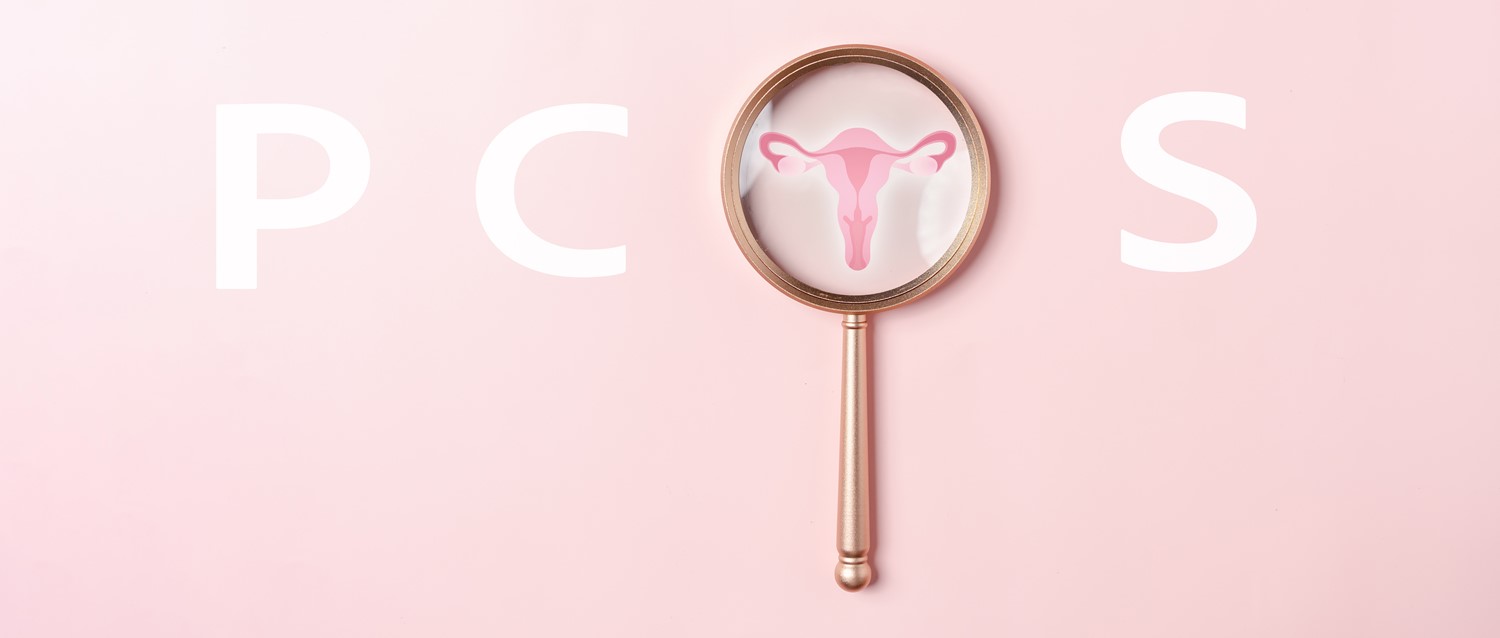
תסמונת השחלות הפוליציסטיות (PCOS) is one of the most common hormone disorders in the UK, affecting at least one in ten women. Yet despite this, we still don't know exactly what causes the condition, and its potentially debilitating symptoms.
Women can experience distressing symptoms, including פוריות מופחתת, excessive facial or body hair, weight gain, hair loss and אקנה. And now, research into PCOS has brought to light another devastating effect: women with the condition may be more likely to suffer from mental health problems.
Explore support for PCOS symptoms
קבלו ייעוץ רפואי מקצועי בנוחות של ביתכם. השלימו ייעוץ מקוון קצר, הזמין 24/7, ובקשתכם תיבדק על ידי איש צוות רפואי הרשום בבריטניה. משלוח למחרת זמין עבור טיפולים מתאימים.

What is PCOS?
What is PCOS?
PCOS affects the way the ovaries work and is characterised by irregular periods, excess androgens - a high level of 'male hormones' in the body - and polycystic ovaries, where the ovaries become enlarged and contain lots of fluid-filled sacs which surround the eggs.
When researchers at the University of Cardiff assessed the mental health history of more than 17,000 women diagnosed with the condition, the results showed those with PCOS were more likely to be diagnosed with דיכאון, חרדה ו הפרעה דו־קוטבית.
We don't know what causes the condition, which can run in families and is related to abnormal hormone levels - including high levels of insulin - but can affect any woman. And we don't know exactly why PCOS and mental health problems are linked - whether it is down to hormonal imbalances or other factors.
It's even more complicated because symptoms such as difficulty getting pregnant - not just the condition itself - can severely impact mental well-being too. Other issues associated with PCOS, such as excess hair growth and acne, can also lead to low self-esteem.
It is also possible for mental health problems to stem from a combination of both PCOS itself and the symptoms associated with it.
"I was told it would be almost impossible for me to conceive"
Sarah*, who is in her late 20s and did not want to be identified, was diagnosed with PCOS in her final year of university.
"I'd had really irregular periods ever since I'd started menstruating and it had got to the point where I was either having three periods a month, or none for five months," she says. "One of the things that has stayed with me since the diagnosis is how I was told it would be almost impossible for me to conceive naturally."
This wasn't something Sarah thought about until three years later, when she experienced a הפלה. "All of a sudden, it dawned on me that that may have been my one chance of being a mother and the impact of my PCOS on that hit home."
Two years afterwards, one of Sarah's family members had a baby. "I was delighted at the news when the little one arrived, and immediately went out buying all sorts of toys and gifts to send home. But that evening it hit me. In what became the beginnings of a severe mental breakdown, I was suddenly overcome by the fact that I would probably never experience that for myself."
"I do believe my PCOS diagnosis really played a role in triggering how I reacted to my relatives' baby," she says. "The prospect of never having a child myself was never ever addressed by my GP when I was diagnosed. I got an: 'Oh, yeah, and you might find it hard to have children.' But that was all."
"There was certainly no groundwork put in at all as to how the condition might have affected me in the future."
More research needed
According to Aled Rees, one of authors of the Cardiff University study, there are a number of reasons why women with PCOS might be prone to mental illness - but further work is necessary to understand the exact mechanisms involved.
"The effect of PCOS on mental health is under-appreciated. Our work shows that screening for mental health disorders should be considered during clinical assessments," he says, adding more work is needed to find out whether all women with PCOS are exposed to mental health risks.
A 2014 study carried out by the Columbia University School of Nursing found irregular menstrual cycles to be the symptom of PCOS most strongly associated with psychiatric problems. The trial was small - involving the evaluation of 126 women with the condition - but it also found body hair and menstrual problems were linked to anxiety.
Not all women with PCOS experience mental health problems, of course, but dealing with aspects of the condition, such as weight gain and acne, can be extremely distressing - particularly when society has a one-dimensional illustration of beauty as being slim and hairless.
Where to seek support
Professor Adam Balen, spokesperson for the הקולג' המלכותי למיילדות וגינקולוגיה and chair of the British Fertility Society, says PCOS is a multifaceted condition which impacts many aspects of health and well-being.
"PCOS may have significant impacts on quality of life and may be associated with a higher risk of mood disorders," he says.
"It is important that healthcare professionals are aware of the full range of signs of symptoms of PCOS and ensure that appropriate attention is given both to their management and their impact on an individual's mental health."
Although there is no cure, symptoms can be managed through medical treatment and lifestyle changes such as losing weight, exercising regularly and eating a balanced diet.
Most women with PCOS are able to get pregnant, Balen says, adding it is key to seek advice from a GP to refer you to a fertility specialist.
Explore support for PCOS symptoms
קבלו ייעוץ רפואי מקצועי בנוחות של ביתכם. השלימו ייעוץ מקוון קצר, הזמין 24/7, ובקשתכם תיבדק על ידי איש צוות רפואי הרשום בבריטניה. משלוח למחרת זמין עבור טיפולים מתאימים.
בחירות המטופלים עבור תסמונת השחלות הפוליציסטיות
הורמונים
מה הקשר בין תסמונת השחלות הפוליציסטיות לסוכרת?
Polycystic ovary syndrome (PCOS) is an incurable endocrine condition affecting up to one in ten women in the UK. It's most commonly associated with hormonal symptoms, such as acne, excess hair growth, weight gain, irregular periods, and reduced fertility. However, it is also associated with seemingly unrelated long-term health risks, like type 2 diabetes and cardiovascular disease. In fact, women with PCOS are as much as 40% more likely to develop type 2 diabetes than women without the condition - so what exactly is the link between PCOS and diabetes?
מאת שרה גרהם
הורמונים
8 מיתוסים נפוצים על תסמונת השחלות הפוליציסטיות (PCOS)
Polycystic ovary syndrome is one of the most common yet misunderstood women's health conditions. With misinformation circulating the internet, we sort fact from fiction and explore how myths about PCOS might be harming women with this condition.
מאת אמברלי דייוויס
אודות המחברצפה בפרופיל המלא
נכתב על ידי

לידיה סמית
כותב תכנים
BA, MA, MSc
לידיה סמית' היא עיתונאית וסופרת כתבות זוכת פרסים שכתבה בהרחבה על בריאות נשים ובריאות נפשית. היא לומדת כעת לתואר שני בפסיכולוגיה.
אודות המבקרצפה בפרופיל המלא

Dr Sarah Jarvis
יועץ קליני
MA (Cantab), BM, BCh (Oxon), DRCOG, FRCGP, MBE
לאחר הכשרה ברפואה בקיימברידג' ואוקספורד, ד"ר שרה ג'רוויס MBE הפכה לרופאת משפחה.
שתפו את מחשבותיכם או חוויותיכם עם אחרים ב קהילות המטופלים שלנו.
גישה פשוטה לטיפולים ושירותי בריאות אמינים באינטרנט.
Common conditions
Get help with common conditions through the NHS, without a GP appointment.





הירשמו לניוזלטר של פיישנט
המנה השבועית שלך של עצות בריאות ברורות ואמינות - נכתבה כדי לעזור לך להרגיש מעודכן, בטוח ובשליטה.
על ידי הרשמה אתה מקבל את שלנו מדיניות הפרטיות שלנו. באפשרותך לבטל את המנוי בכל עת. לעולם לא נמכור את הנתונים שלך.