מה גורם לפצעים בפה וכיצד לטפל בהם
נבדק על ידי Dr Krishna Vakharia, MRCGPנכתב על ידי Amberley Davisפורסם במקור 27 Jan 2023
עומד בהנחיות העריכה של Patient
- הורדהורד
- שתף
- Language
- דיון
- גרסת שמע
- הוסף למקורות מועדפים בגוגל
Around one in five of us experience mouth ulcers, and although they may be painful or irritating, they're usually nothing to worry about. We share expert self-care tips to soothe and speed up recovery, as well as advice on when a mouth ulcer could be a symptom of something more serious.
What are mouth ulcers?
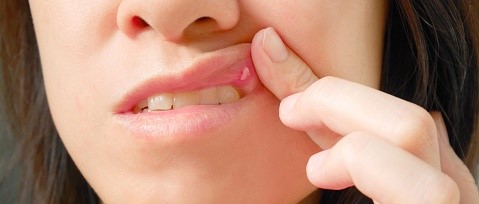
כיבים בפה, sometimes called canker sores, are small, painful sores that can develop inside your mouth - inside your cheeks, on the roof of your mouth, on your tongue, or at the base of your gums. They can be raised, and may be red, yellow, white, or grey in colour.
Although they can cause some discomfort and pain - especially when pressed or nudged during eating - mouth ulcers are normally harmless and clear up by themselves within 1-2 weeks.
Not a cold sore
It's easy to muddle mouth ulcers and cold sores, but these aren't the same.
Appear outside the mouth, rather than inside – usually on your outer lips or around the outside of your mouth.
Are painful and dry blisters that tend to form a yellow crust.
Often begin with tingling, itching, or burning.
Are caused by a virus – and this makes treatment different to mouth ulcers.
What causes mouth ulcers?
If you develop a mouth ulcer as a one-off occurrence, the chances are it was caused by a minor trauma. Did you bite your cheek while brushing your teeth? Burn your tongue on a hot drink? Perhaps you have poorly fitting dentures?
In most cases, why some people have mouth ulcers that keep returning is more of a scientific mystery. This is called recurrent aphthous stomatitis, and the cause is not known.
It's thought that whatever causes mouth ulcers triggers an immune system reaction that results in the sore1. We also know that mouth ulcers aren't infectious - you can't spread them to anyone.
What about mouth ulcer triggers?
Dr Ross Perry is a GP and medical director of Cosmedics. He explains that, while the cause of mouth ulcers isn't fully known, if you keep getting them it's likely that they are being triggered by one of the following factors:
לחץ.
Acidic foods.
When could it be a disease?
Sometimes, mouth ulcers can also be a symptom of another underlying health problem that needs to be identified and treated.
Dr Perry says: "Speak to your GP or dentist if your mouth ulcers gets larger, lasts for more than three weeks, causes you extreme pain, or if you develop a חום נמוך."
Can gut conditions cause mouth ulcers?
In rare cases, recurring mouth ulcers could be a symptom of some gastrointestinal diseases, such as Crohn’s disease and coeliac disease. If your mouth ulcers last more than 1-2 weeks and you notice other signs of מחלת קרוהן או מחלת צליאק around the same time, speak to your GP about getting tested.
Can cancer cause mouth ulcers?
Mouth ulcers that last a long time - three weeks or more - are the most common sign of mouth cancer2. This type of cancer is usually linked to heavy drinking ו עישון, and cancerous ulcers most often appear under the tongue. You should also look out for the other symptoms of mouth cancer.
Remember, though, that this is still a relatively rare cause of mouth ulcers and the only way to know for sure is to get either your dentist or GP to examine the sore/s in question.
How to treat mouth ulcers
As mouth ulcers are usually nothing to worry about, unless you have other concerning symptoms, you can wait to see if they clear up within a week or two.
Alternatively, to ease any pain or discomfort, Dr Perry says that there are self-care soothing methods you can use.
"You can purchase several products over the counter in pharmacies to treat mouth ulcers which will help to not only soothe but also speed up the recovery."
Options include:
Painkillers - available lozenges, mouthwash, sprays, and gels.
Antimicrobial mouthwash.
Corticosteroid lozenges.
"A home method is warm water with half a teaspoon of salt. A good gargle of this will help to relieve any pain," adds Dr Perry.
How to prevent mouth ulcers
If your mouth ulcers are caused by any of the common triggers, Dr Perry says these lifestyle hacks can help keep your mouth ulcer-free.
To keep mouth ulcers at bay:
Try and keep your mouth as clean as possible.
Use a high-quality toothbrush - to reduce the risk of damage when you brush your teeth.
Drink plenty of water – to prevent dehydration.
Eat a good balanced diet rich in vitamin A, C and E - your immune system may be weakened by mineral and vitamin deficiencies. Eating plenty of fruit and vegetables will help.
קריאה נוספת
בחירות המטופלים עבור Oral health
טיפול אוראלי ודנטלי
מה גורם לגוש על הלשון?
A poster to our forums noticed a swelling under their tongue. The swelling developed a few days ago and was soft but firm. They thought it might be a swollen sublingual salivary gland. They thought cancer was unlikely, as they were only 18.
מאת ד"ר לורנס קנוט

טיפול אוראלי ודנטלי
מה גורם לגג הפה לגרד?
After thirty-odd years in general practice, you think you've seen it all. But the fascination of medicine is that you still occasionally come across something you've never encountered before - like an itchy roof of mouth. Patient 1 posted on our forum that she got itching at the top of her mouth near the back. She could get it day and night and it could happen at any time of year.
מאת ד"ר לורנס קנוט
אודות המחברצפה בפרופיל המלא

אמברלי דייוויס
כותב בכיר
BA (Hons), CPD
אמברלי היא כותבת בכירה ב-Patient וכתבה בהרחבה על מגוון נושאים בתחום הבריאות והרווחה.
אודות המבקרצפה בפרופיל המלא

Dr Krishna Vakharia, MRCGP
קצין רפואה ראשי לבריאות, Optum UK
MBChB, MRCGP(2013), BMedSci (hons), DFSRH, DRCOG, PGDipDerm (Distn)
ד"ר קרישנה וקאריה היא רופאת משפחה ב-NHS. היא גם בוחנת קבועה לדיפלומה לתואר שני בדרמטולוגיה מעשית באוניברסיטת קרדיף וכן משמשת כקצינת הרפואה הראשית לבריאות ב-Optum UK.
היסטוריית המאמר
המידע בעמוד זה נבדק על ידי קלינאים מוסמכים.
המאמר זמין גם ב אנגלית, גרמנית, ספרדית, צרפתית, איטלקית, פורטוגזית, הינדי, עברית, ערבית, and שוודית.
27 Jan 2023 | פורסם במקור
נכתב על ידי:
אמברלי דייוויסנבדק על ידי
Dr Krishna Vakharia, MRCGP

שאלו, שתפו, התחברו.
עיין בדיונים, שאל שאלות ושתף חוויות במאות נושאים בריאותיים.

מרגיש לא טוב?
הערך את הסימפטומים שלך באינטרנט בחינם
הירשמו לניוזלטר של פיישנט
המנה השבועית שלך של עצות בריאות ברורות ואמינות - נכתבה כדי לעזור לך להרגיש מעודכן, בטוח ובשליטה.
על ידי הרשמה אתה מקבל את שלנו מדיניות הפרטיות שלנו. באפשרותך לבטל את המנוי בכל עת. לעולם לא נמכור את הנתונים שלך.
עוד בטיפול אוראלי ודנטלי
- האם תרגילי פנים טובים לשינה, דיבור ובריאות הפה?
- אי שוויון דנטלי: מה זה ולמה הוא קיים?
- כיצד לצחצח ולשמור על שיני ילדך
- איך להתמודד עם שיניים רגישות
- איך להתגבר על הפחד מרופא השיניים
- כיצד להגן על שיני ילדך
- איך לטפל בשפתיים סדוקות בחורף הזה
- האם הלבנת שיניים בטוחה?
- עודכןהאם שטיפת מים יעילה?
- האם הפה שלך גורם לך לחלות? כיצד מחלת חניכיים משפיעה על יותר מאשר רק השיניים שלך
- האם כדאי לנקות את הלשון כל יום?
- החטיפים הטובים ביותר לשיניים בריאות
- הסיבות לריח רע מהפה שלך
- המדריך האולטימטיבי לשימוש בחוט דנטלי
- דברים שאולי אינכם יודעים על דיספלזיה קליידוקרניאלית
- מה גורם לגוש על הלשון?
- מהו חיוך פרוסקו? טיפים לשמירה על השיניים בחג המולד הזה
- מה לעשות כשאתה מרגיש שהרפס מתקרב
- מה השיניים שלך אומרות על הבריאות שלך
- מה גורם לריח הפה שלך בבוקר?