מתי אחזור להיות פורייה לאחר הפסקת השימוש באמצעי מניעה?
נבדק על ידי Dr Krishna Vakharia, MRCGPנכתב על ידי לידיה סמיתפורסם במקור 22 נובמבר 2023
עומד בהנחיות העריכה של Patient
- הורדהורד
- שתף
- Language
- דיון
- גרסת שמע
- הוסף למקורות מועדפים בגוגל
אם את רוצה להביא ילד לעולם, כנראה שיש לך הרבה שאלות - כולל כמה זמן יכול לקחת עד שתהיי שוב פורייה אם השתמשת בגלולות למניעת הריון או בהתקן תוך רחמי. ולמרות שכל אחד שונה, הנה מה שאנחנו יודעים על פוריות לאחר הפסקת שימוש בסוגים שונים של אמצעי מניעה.

Contraceptive pill
There are two different types of hormonal contraceptive pills available in the UK: The גלולה המכילה פרוגסטוגן בלבד which contains only one type of hormone, and the גלולה המשולבת - which contains the hormones oestrogen and progestogen.
There is no evidence suggesting a significant delay in the return of fertility after you’ve stopped taking the progestogen-only pill or the combined pill. It can take up to three months for your periods to return to their usual cycle, though. The first period after coming off the pill is known as a withdrawal bleed, but the next one is your first natural period.
In theory, you could become בהריון immediately after you come off either medication. However, there are many other factors that can affect your fertility, including your age, your health, stress and conditions such as polycystic ovary syndrome. Sometimes, it can take longer to become pregnant even without any underlying conditions.
Dr Hana Patel, a GP and Medico-Legal Expert Witness, says: “The contraceptive pills stop your body from ovulating, but as soon as you stop them this process kicks back into action.
“So, it's possible to get pregnant as soon as you come off the pill - more than 8 out of 10 couples will get pregnant within a year of starting to have regular sex without contraception1. Long-term contraceptive use has no impact on fertility, however, fertility naturally declines with age.”
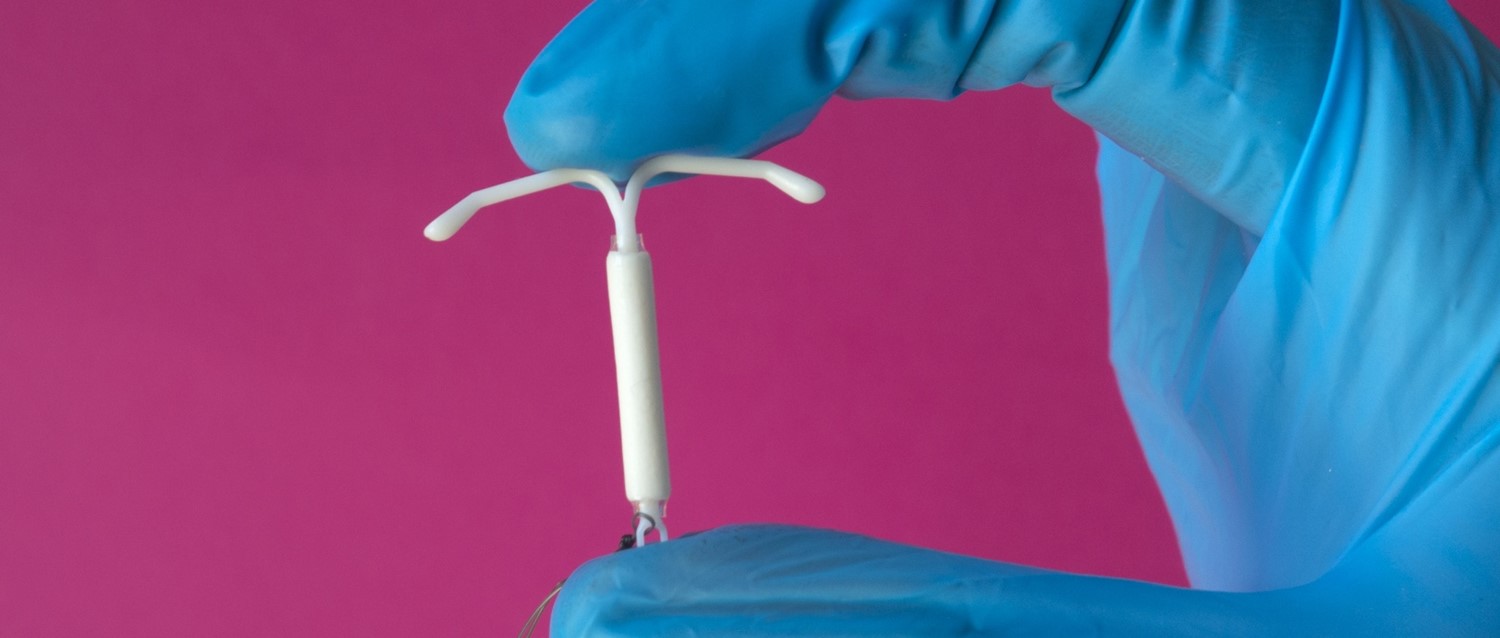
Copper coil and hormonal coil
The copper coil (intrauterine contraceptive device, IUD) sits inside the womb (uterus) and works for up to 10 years. It can be taken out at any time by a specially trained doctor or nurse. No hormones are involved in the copper coil, so your body doesn’t have to readjust after having it removed.
“Your natural fertility will return immediately after the copper coil is removed, so you could become pregnant straight away, but it may take longer,” says Patel.
The hormonal coil (intrauterine system, IUS) often has the brand name Mirena, and releases a hormone called levonorgestrel. Once fitted, it can last for between 3 to 5 years depending on the type. However, once removed- like the copper coil - your fertility can come straight back.
If you do not want to get pregant but want to stop using the IUS or IUD, you should start using another method of אמצעי מניעה for at least seven days before removal.
הזרקה למניעת הריון
The contraceptive הזרקה lasts for 2 to 3 months and releases the hormone progestogen to prevent pregnancy. There are three long-acting injectables available in the UK. The most commonly used is Depo-Provera, which lasts 13 weeks. Sayana Press lasts for 13 weeks and Noristerat needs to be injected every eight weeks.
“It can take up to one year for your fertility to return to normal after the injection wears off. So it may not be suitable if you want to have a baby in the near future,” says Patel. This delay is not related to the length of time you use this method of contraception.
However, fertility varies widely between individuals and might happen faster to some than others, so those wishing to stop contraceptive injectables and avoid unplanned pregnancies should start another contraceptive method before or at the time of their next scheduled injection.
After being on the contraceptive injection, your periods may change too. Some may experience irregular bleeding during the first few months or they may be heavier and longer.
Progestogen-only Implant
The progestogen-only שתל is a small flexible plastic rod placed under the skin in the upper arm. It releases the hormone progestogen into your bloodstream to prevent pregnancy and lasts for three years.
After the implant, natural fertility will return quickly - so contraception is required straight away after it is removed.
Contraceptive patch or ring
The contraceptive מדבקה contains oestrogen and progestogen. It is stuck on to the skin so that the two hormones are continuously delivered to the body to stop you getting pregnant.
The vaginal ring is a small soft, plastic ring that you place inside your vagina. It releases a continuous dose of oestrogen and progestogen into the bloodstream to to stop you getting pregnant.
There is no significant delay in return to fertility once women stop using these methods.
Are there any side effects when coming off contraception?
“After coming off אמצעי מניעה, especially ones that contain hormones, side effects may occur from withdrawal and changes in your body’s chemistry,” says Patel. “These side effects include - Headaches, weight change, אקנה, mood swings or missed or irregular periods.”
Getting pregnant
To maximise your chances of getting pregnant after coming off contraception, there are several things you can do, like eat healthily, stay active, quit smoking and cut down, or stop drinking,alcohol.
Ideally, you should take folic acid supplements if you are thinking of getting pregnant and continue taking them until at least the 12th week of הריון.
It’s important to visit your doctor to discuss pregnancy if you have any medical conditions or if you take medication - do not stop any medication without speaking to your GP first.
Your doctor will also be able to advise you if you have been trying to get pregnant but have not yet conceived.
“Some women may choose to start tracking their menstrual cycle with apps that note changes in your cervical mucus and basal temperatures which can help you determine a fertile window,” says Patel. “However, your GP will recommend having regular intercourse every two to three days.”
קריאה נוספת
בחירות המטופלים עבור אמצעי מניעה

בריאות מינית
מיתוסים על גלולת היום שאחרי - הופרכו
Sometimes, despite our best intentions, accidents happen. If you find yourself needing emergency contraception because of unprotected sex, try not to panic. Here we debunk the most common misconceptions about taking 'the morning after pill'.
מאת ד"ר ג'ניפר קלי, MRCGP

בריאות מינית
האם אמצעי מניעה הורמונליים משפיעים על החשק המיני שלך?
Anyone who has used hormonal contraception has most likely seen the long list of potential side effects. Next to the health warnings, 'change in sex drive' is easy to ignore. But for women who experience them, changes in libido can be frustrating and upsetting.
מאת מילי אוונס
אודות המחברצפה בפרופיל המלא

לידיה סמית
כותב תכנים
BA, MA, MSc
לידיה סמית' היא עיתונאית וסופרת כתבות זוכת פרסים שכתבה בהרחבה על בריאות נשים ובריאות נפשית. היא לומדת כעת לתואר שני בפסיכולוגיה.
אודות המבקרצפה בפרופיל המלא

Dr Krishna Vakharia, MRCGP
קצין רפואה ראשי לבריאות, Optum UK
MBChB, MRCGP(2013), BMedSci (hons), DFSRH, DRCOG, PGDipDerm (Distn)
ד"ר קרישנה וקאריה היא רופאת משפחה ב-NHS. היא גם בוחנת קבועה לדיפלומה לתואר שני בדרמטולוגיה מעשית באוניברסיטת קרדיף וכן משמשת כקצינת הרפואה הראשית לבריאות ב-Optum UK.
היסטוריית המאמר
המידע בעמוד זה נבדק על ידי קלינאים מוסמכים.
המאמר זמין גם ב אנגלית, גרמנית, ספרדית, צרפתית, איטלקית, פורטוגזית, הינדי, עברית, ערבית, and שוודית.
22 נובמבר 2023 | פורסם במקור
נכתב על ידי:
לידיה סמיתנבדק על ידי
Dr Krishna Vakharia, MRCGP

שאלו, שתפו, התחברו.
עיין בדיונים, שאל שאלות ושתף חוויות במאות נושאים בריאותיים.

מרגיש לא טוב?
הערך את הסימפטומים שלך באינטרנט בחינם
הירשמו לניוזלטר של פיישנט
המנה השבועית שלך של עצות בריאות ברורות ואמינות - נכתבה כדי לעזור לך להרגיש מעודכן, בטוח ובשליטה.
על ידי הרשמה אתה מקבל את שלנו מדיניות הפרטיות שלנו. באפשרותך לבטל את המנוי בכל עת. לעולם לא נמכור את הנתונים שלך.
עוד בבריאות מינית
- כיצד סרטן יכול להשפיע על חיי המין שלך
- כמה נפוצה אי פוריות גברית, ומה גורם לה?
- כיצד תסמונת המעי הרגיז משפיעה על מין, דייטים ומערכות יחסים
- באיזו תדירות כדאי לבקר במרפאת בריאות מינית לבדיקה?
- איך להגיע לאורגזמה בקלות רבה יותר במהלך סקס
- כיצד למנוע שפיכה מוקדמת
- תזונה של מזון מהיר קשורה לספירת זרע נמוכה
- הכנה לבדיקה פאפ כמישהי ששרדה אלימות מינית
- קונים סמויים: האם נשים מקבלות את הייעוץ הטוב ביותר לגבי אמצעי מניעה?
- חינוך מיני לבני נוער: המשאבים הדיגיטליים הטובים ביותר עבור ילדכם
- הבנת וולוודיניה ומדוע היא גורמת לכאב במהלך יחסי מין
- וידאו: מהם הסוגים השונים של מחלות מין?
- מה האוניברסיטאות עושות כדי לתמוך בבריאות המינית של הסטודנטים?
- מה תפקוד לקוי של זיקפה יכול לומר על הלב שלך
- איך זה לעבור את גיל המעבר כשיש לך HIV
- מה שצריך לדעת לפני שלוקחים תרופות לבעיות זקפה
- מה צעירים באמת רוצים מחינוך מיני
- מהו עתיד אמצעי המניעה?
- מדוע מחלות מין נמצאות בעלייה בקרב אנשים מבוגרים?
- מדוע יש עלייה במקרי העגבת?