דלקת קרום הריאה
נבדק על ידי Dr Colin Tidy, MRCGPעודכן לאחרונה על ידי Dr Doug McKechnie, MRCGPעודכן לאחרונה 21 אפריל 2023
עומד בהנחיות העריכה של Patient
- הורדהורד
- שתף
- Language
- דיון
- גרסת שמע
- הוסף למקורות מועדפים בגוגל
דלקת ריאות נגרמת כתוצאה מדלקת של קרום הריאה הסמוך לריאה. לרוב היא נגרמת על ידי זיהום עם חיידק (זיהום ויראלי). במקרים אלו הכאב יכול להיות חמור אך חולף במהרה. הפרעות ריאה שונות אחרות יכולות גם לגרום ל'כאב פלאוריטי' דומה לדלקת ריאות.
כאב פלאוריטי הוא כאב בחזה שלרוב הוא חד ו'דוקר' בחלק מהחזה. הכאב בדרך כלל מחמיר כשנושמים פנימה או משתעלים.
במבט חטוף
Pleurisy is inflammation of the pleura, the lining around the lungs.
The main symptom is a sharp chest pain, made worse by breathing or coughing.
Viral infections are the most common cause, with symptoms usually easing within days.
More serious causes include bacterial infections, blood clots, or lung cancer.
See a doctor for pleurisy symptoms, especially if pain develops slowly or does not ease.
Get emergency help for severe chest pain, coughing up blood, or breathing difficulties.
תסמינים של דלקת קרום הריאה
התסמין העיקרי של דלקת קרום הריאה, או בעיות אחרות שמשפיעות על קרום הריאה, הוא 'כאב פלאוריטי' כאבים בחזה. זה בדרך כלל כאב חד ודוקר.
ייתכן שתחוש כאב פלאוריטי בחזה בכל מקום, בהתאם למיקום הדלקת או הבעיה בפלאורה. הכאב מחמיר בעת נשימה פנימה או שיעול, כיוון שזה גורם לשני חלקי הפלאורה המודלקת להתחכך זה בזה.
תסמינים נוספים של דלקת קרום הריאה
אם הדלקת של קרום הריאה שלך נגרמת על ידי סיבה חמורה יותר, סביר להניח שיהיו לך תסמינים נוספים. תסמינים אלו כוללים:
כאב שמתפתח לאט במשך מספר ימים או שבועות.
כאב שאינו נרגע ונעלם לאחר מספר ימים.
קוצר נשימה (תחושת מחנק) או קשיי נשימה אחרים.
כל סימפטום אחר שאינך בטוח לגביו, או שאינך יכול להסביר.
כמה זמן נמשכים תסמיני דלקת קרום הריאה?
זה תלוי בסיבה. דלקת קרום הריאה הנגרמת על ידי וירוס בדרך כלל נרגעת תוך מספר ימים. אם היא נגרמת על ידי משהו אחר, זה יכול לקחת יותר זמן.
מתי לפנות לרופא
דבר עם רופא אם יש לך תסמינים של דלקת קרום הריאה. יכול להיות קשה לדעת אם כאב בחזה נובע ממשהו רציני, ולכן עדיף לנקוט בזהירות.
עליך לקבל עזרה רפואית דחופה. התקשר ל-999 (אם אתה בבריטניה), או גש למחלקת החירום הקרובה ביותר אם יש לך:
כאב חזה חמור.
שיעול עם דם.
קוצר נשימה או קשיי נשימה אחרים.
אבחון דלקת קרום הריאה
הדבר החשוב ביותר באבחון הסיבה לכאב פלאוריטי הוא שהרופא ידבר איתך על התסמינים שלך ויבדוק אותך. רוב הסיבות לכאב פלאוריטי חמור יותר יכללו תסמינים נוספים מלבד הכאב, כפי שהוזכר לעיל. בדיקת רופא עשויה גם להראות סימנים מסוימים שיכולים להצביע על הסיבה.
איך בודקים דלקת קרום הריאה?
רופא עשוי לקבוע בדיקות כגון צילום חזה אם אתה מפתח כאב פלאוריטי והסיבה אינה ברורה. צילום חזה הוא תקין בזיהום נפוץ עם חיידק (פלאוריטיס ויראלי) אך עשוי להראות חריגות כאשר ישנן סיבות אחרות לכאב. לעיתים נעשים בדיקות נוספות אם יש חשד לסיבה חמורה.
כמה חמורה היא דלקת קרום הריאה?
זה תלוי בסיבה.
דלקת קרום הריאה הנגיפית אינה חמורה. היא משתפרת לאחר מספר ימים ואינה גורמת לבעיות חמורות.
גורמים אחרים לדלקת קרום הריאה יכולים להיות חמורים. לדוגמה, זיהומים חמורים בריאות (דלקת ריאות) וקרישי דם בריאות (תסחיף ריאתי) יכול להיות מסכן חיים.
טיפול בדלקת קרום הריאה
אם יש לך זיהום עם חיידק (דלקת קרום הריאה ויראלית), קח משככי כאבים באופן קבוע עד שהכאב יפחת. הרופא שלך עשוי לרשום משככי כאבים חזקים יותר אם הכאב חמור.
אם יש לך סיבות אחרות לכאב פלאוריטי, כמו זיהום ריאות חמור (דלקת ריאות) או קריש דם בריאה (תסחיף ריאתי), הטיפול תלוי בסיבה. טיפולים אחרים עשויים לכלול:
אנטיביוטיקה, לזיהומים חיידקיים בריאות כמו דלקת ריאות.
הליך לניקוז נוזלים מסביב לריאה, אם יש שם הצטברות של נוזלים תפליט פלאורלי).
מדללי דם, לקריש דם בריאה (תסחיף ריאתי).
מהי הפלאורה?
ריאות ודרכי נשימה עם קרום הריאה
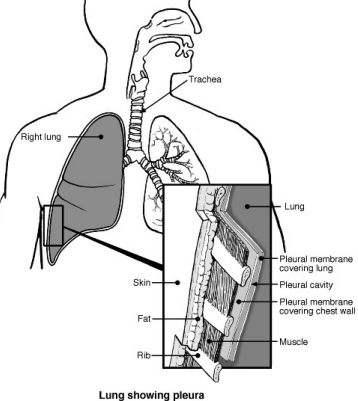
הפלאורה היא קרום דק עם שתי שכבות. שכבה אחת מצפה את החלק הפנימי של דופן החזה. השכבה השנייה מכסה את הריאות.
בין שתי שכבות הפלאורה (חלל הפלאורה) יש כמות קטנה של נוזל. זה עוזר לריאות ולדופן החזה לנוע בצורה חלקה כשאתה נושם.
מה גורם לדלקת קרום הריאה?
הגורמים לדלקת קרום הריאה כוללים:
זיהום ויראלי (הגורם הנפוץ ביותר) - הכאב נמשך בדרך כלל מספר ימים ונעלם כאשר הווירוס מתנקה והדלקת שוככת.
זיהום חיידקי (בדרך כלל חיידקי דלקת ריאות).
זיהום פטרייתי (נפוץ יותר אצל אנשים עם מערכת חיסון מוחלשת).
קרישי דם בריאות (תסחיף ריאתי). זהו הגורם החמור הנפוץ ביותר לכאב חזה פלאוריטי.
פציעות חזה.
דלקת הקשורה עם צורות מסוימות של דלקת פרקים.
האם דלקת קרום הריאה מדבקת?
זה תלוי בסיבה. למרות שדלקת קרום הריאה עצמה אינה מדבקת, חלק מהגורמים לדלקת קרום הריאה, כמו זיהומים ויראליים וחיידקיים, הם מדבקים. אחרים - כמו קרישי דם בריאה או סרטן ריאות - אינם יכולים לעבור מאדם לאדם.
האם אפשר למנוע דלקת קרום הריאה?
קשה למנוע דלקת קרום הריאה לחלוטין. אך ישנם דברים שיכולים להפחית את הסיכוי לפתח אחד מהגורמים לדלקת קרום הריאה, כגון:
קבלת חיסונים כאשר מומלץ (למשל ה חיסון לשפעת).
היגיינה, כמו שטיפת ידיים לאחר השימוש בשירותים, לפני הכנת או אכילת מזון, לפני נגיעה בפנים, ולפני ואחרי טיפול באנשים אחרים. זה יכול להפחית את הסיכויים להידבק בזיהומים ויראליים או חיידקיים.
הימנעות או הפסקת עישון .עישון מגביר את הסיכון לזיהומים בריאות ולגורמים חמורים אחרים לדלקת קרום הריאה, כמו סרטן הריאות.
שמירה על משקל בריא. להיות בעלי עודף משקל או השמנת יתר מגביר את הסיכון לקרישי דם.
סיבוכים של דלקת קרום הריאה
זה תלוי בסיבת הדלקת הצדר. דלקת צדר ויראלית בדרך כלל משתפרת ללא כל טיפול. סיבות חמורות יותר לדלקת הצדר, כמו זיהומים חיידקיים, יכולות לגרום לסיבוכים כגון:
נוזל סביב הריאה (א תפליט פלאורלי).
מוגלה מצטברת סביב הריאה עם דלקת ריאות חיידקית (אמפיאמה).
ריאה כלואה שלא מתנפחת במלואה (תמט).
אלח דם, עם זיהומים חיידקיים.
קשיי נשימה.
בחירות המטופלים עבור כאב בחזה

חזה וריאות
פנאומוטורקס
A pneumothorax is sometimes called a "collapsed lung" and it describes the condition in which air has become trapped next to a lung. Many cases occur without warning, particularly in healthy young men. Some develop as a complication of a chest injury or a lung disease. The most common symptom is a sudden sharp chest pain followed by pains on breathing in. Some people become breathless. In most cases, the pneumothorax clears without needing treatment. The trapped air of a large pneumothorax may need to be removed if it causes breathing difficulty. An operation is needed in some cases.
מאת ד"ר פיליפה וינסנט, MRCGP

חזה וריאות
קוסטוכונדריטיס
קוסטוכונדריטיס היא מצב כואב של דופן החזה, הנגרם על ידי דלקת מקומית במפרקים של כלוב הצלעות.
מאת ד"ר סורנגי מנדיס, MRCGP
שאלות נפוצות
Can smoking cause pleurisy?
Smoking does not directly cause pleurisy, but it significantly increases the risk of lung infections and other serious conditions like lung cancer, which are known causes of pleurisy. Avoiding or stopping smoking can help reduce these risks.
Does pleurisy go away on its own?
Pleurisy caused by a viral infection often resolves on its own within a few days as the virus clears and the inflammation subsides. However, if pleurisy is due to other causes, it might require specific treatment and won't go away by itself.
Can pleurisy be dangerous?
The seriousness of pleurisy depends entirely on its underlying cause. While viral pleurisy is generally not serious and improves quickly, other causes like major lung infections (pneumonia) or blood clots in the lung (pulmonary emboli) can be life-threatening and are considered very dangerous.
What should I avoid doing if I have pleurisy?
The article does not explicitly list things to avoid. However, it mentions pain is made worse by breathing in or coughing. If pain is severe, it is best to seek medical attention immediately. For viral pleurisy, pain relief is recommended. For other causes, treatment depends on the underlying condition.
Can I fly with pleurisy?
The article does not contain information about flying with pleurisy. However, some causes of pleurisy, such as a collapsed lung (pneumothorax) or blood clots, can be exacerbated by changes in air pressure during flights. It is important to consult a healthcare professional to determine if it is safe to fly based on the specific cause and severity of your pleurisy.
Can pleurisy lead to pneumonia?
Pleurisy is a symptom, and pneumonia can be a cause of pleurisy. If the pleurisy is caused by a serious bacterial infection like pneumonia, it could lead to complications such as fluid around the lung, pus collecting around the lung (empyema), or even sepsis if not treated.
קריאה נוספת והפניות
- כאב חזה שהחל לאחרונה; הנחיות קליניות של NICE (מרץ 2010, עודכן נובמבר 2016)
- הנחיות החברה הבריטית למחלות פלאורליות; החברה הבריטית לרפואת ריאות - BMJ (2023).
- Reamy BV, Williams PM, Odom MR; כאב חזה פלאוריטי: מיון האבחנה המבדלת. רופא משפחה אמריקאי. 1 בספטמבר 2017;96(5):306-312.
אודות המחברצפה בפרופיל המלא

Dr Doug McKechnie, MRCGP
כותב רפואי
MA, MBBS, MSc, DRCOG, MRCP(UK), MRCGP(2021), FHEA
ד"ר דאג מקקני הוא רופא משפחה ב-NHS העובד בלונדון. הוא עובד במשרה מלאה קלינית ומשמש גם כסגן ראש המודול לפרקטיקה קלינית ומקצועית בבית הספר לרפואה של יוניברסיטי קולג' לונדון.
אודות המבקרצפה בפרופיל המלא

Dr Colin Tidy, MRCGP
רופא כללי, מחבר רפואי
MBBS, MRCGP, MRCP (Paediatrics), DCH
ד"ר קולין טיידי הוא רופא ב-NHS, הממוקם באוקספורדשייר.
היסטוריית המאמר
המידע בעמוד זה נכתב ונבדק על ידי קלינאים מוסמכים.
המאמר זמין גם ב אנגלית, גרמנית, ספרדית, צרפתית, איטלקית, פורטוגזית, הינדי, עברית, ערבית, and שוודית.
הסקירה הבאה מתוכננת ל: 19 אפריל 2028
21 אפריל 2023 | הגרסה האחרונה

שאלו, שתפו, התחברו.
עיין בדיונים, שאל שאלות ושתף חוויות במאות נושאים בריאותיים.

מרגיש לא טוב?
הערך את הסימפטומים שלך באינטרנט בחינם
הירשמו לניוזלטר של פיישנט
המנה השבועית שלך של עצות בריאות ברורות ואמינות - נכתבה כדי לעזור לך להרגיש מעודכן, בטוח ובשליטה.
על ידי הרשמה אתה מקבל את שלנו מדיניות הפרטיות שלנו. באפשרותך לבטל את המנוי בכל עת. לעולם לא נמכור את הנתונים שלך.