מהי דיאטה דלת פחמימות והאם היא בריאה?
נבדק על ידי Dr Colin Tidy, MRCGPעודכן לאחרונה על ידי Heather Ainsworthעודכן לאחרונה 2 ביוני 2025
עומד בהנחיות העריכה של Patient
- הורדהורד
- שתף
- Language
- דיון
- גרסת שמע
- הוסף למקורות מועדפים בגוגל
כשמדובר באכילה בריאה, כל קבוצת מזון חשובה. זה כולל פחמימות, קבוצת המזון עתירת האנרגיה שמניעה את כל מה שאנחנו עושים, מהנשימה ועד לריצה. עם זאת, מכיוון שמזונות עשירים בפחמימות מספקים הרבה אנרגיה, דיאטות דלות פחמימות אומצו על ידי אנשים המעוניינים להשיג ירידה משמעותית במשקל.
מהי דיאטה דלת פחמימות?
דיאטה דלת פחמימות מגבילה את צריכת המזונות העשירים בפחמימות כמו לחם, פסטה, אורז ומזונות עתירי סוכר. כאשר אתה מעכל פחמימות, הן הופכות לגלוקוז, סוג של סוכר שהגוף שלך משתמש בו לאנרגיה. מסיבה זו, דיאטה דלת פחמימות עשויה לשמש לסיוע כללי בהרזיה, או לעזור לאנשים עם סוכרת לנהל את רמות הסוכר בדם שלהם.
איך דיאטה דלת פחמימות עובדת?
כאשר אתה צורך פחות אנרגיה מהמזון ממה שהגוף שלך זקוק לו, הוא לוקח ושורף את האנרגיה הנדרשת ממאגרי השומן - תהליך הידוע כקטוזיס1. אתה יכול להפעיל שריפת שומנים על ידי הפחתת צריכת הפחמימות שלך, ולכן האנרגיה. זה עשוי לגרום לך לאבד כמות משמעותית של משקל.
סוגי דיאטות דלות פחמימות
דיאטות דלות פחמימות פופולריות כוללות:
דיאטת אטקינס - דיאטה דלת פחמימות, עשירה בחלבונים ושומנים.
דיאטה קטוגנית - דיאטה דלת פחמימות ועשירה בשומנים.
דיאטת דוקאן - דיאטה דלת פחמימות ועשירה בחלבון.
דיאטת פליאו - דיאטה דלת פחמימות, עשירה בחלבון וסיבים תזונתיים.
הפופולריות של דיאטות כאלה - שנעזרת בחלקה על ידי הסלבריטאים שמקדמים אותן - נתנה לפחמימות מוניטין רע, אבל חשוב להבין שיש מזונות עשירים בפחמימות שהם בריאים. העובדה היא שכולם צריכים פחמימות כדי לבצע פונקציות גופניות חיוניות ופעילויות פיזיות.
מהם היתרונות של דיאטה דלת פחמימות?
ירידה במשקל
דיאטות דלות פחמימות מסייעות בירידה במשקל על ידי הפעלת שריפת שומן במקום לאגור אותו. דיאטות אלו כוללות בדרך כלל יותר חלבון ושומנים בריאים שעוזרים לשמור על תחושת שובע לאורך זמן - כלומר תצרכו באופן טבעי פחות קלוריות ככל שהתיאבון שלכם יפחת.
עם זאת, עדיין אפשר לעלות במשקל כשאוכלים מזון דל פחמימות. הדיאטנית הרשומה רייצ'ל בול מסבירה:
"הפחתת פחמימות בתזונה שלך עשויה להוביל לעלייה בצריכת השומן, שלמעשה מכיל יותר קלוריות מאשר פחמימות, גרם לגרם. אם אתה שוקל דיאטה דלת פחמימות רק לצורך ירידה במשקל, זכור שזהו ה צריכת קלוריות כוללת זה הכי חשוב, וישנם סיכונים של חוסר תזונתי כאשר מצמצמים קבוצה שלמה של מזון."
"דיאטה דלת פחמימות אינה מיוחדת או עליונה על כל שיטה אחרת להפחתת צריכת קלוריות. יש אנשים שמוצאים שהגבלת צריכת הפחמימות עוזרת להם לרדת במשקל, אך אין לחתוך את כל הפחמימות. שיטה טובה יותר היא לבסס ארוחות על ירקות וחלבונים דלי שומן כדי לשמור על גרעון קלורי."
ניהול סוכרת סוג 2
פחמימות הן אחת הסיבות העיקריות לעלייה ברמות הסוכר בדם. על ידי אכילת פחות פחמימות, ניתן להפחית את רמות הגלוקוז וה-HbA1c בדם, ולאפשר ניהול טוב יותר של סוכרת סוג 2.
בול מסביר עוד "אם המטרה שלך היא להפוך סוכרת סוג 2, דיאטה דלת פחמימות היא אחת האסטרטגיות לירידה מהירה ומשמעותית במשקל. עם זאת, יש לבצע זאת בתמיכת הרופא והדיאטנית שלך, שכן ייתכן שיהיה צורך לשנות את מינוני התרופות שלך."
בריאות לב משופרת
דיאטות דלות פחמימות יכולות להוריד את לחץ הדם ורמות הטריגליצרידים - כמות השומן בדם, ולשפר את רמות הכולסטרול - שכולם חשובים לשמירה על לב בריא.
אובדן שומן - במיוחד שומן ויסצרלי - יכול להשפיע באופן משמעותי על בריאות הלב שלך על ידי הפחתת הסיכון ללחץ דם גבוה ולכולסטרול גבוה תוך כדי שיפור תפקוד כלי הדם.
כמה פחמימות יש בתזונה דלת פחמימות?
דיאטה דלת פחמימות אינה תוכנית ארוחות עם סט חוקים נוקשה. עם זאת, הוועדה המייעצת המדעית לתזונה (SACN) הפיקה דוח2 על דיאטות דלות פחמימות למבוגרים עם סוכרת סוג 2 בהן נעשה שימוש בקטגוריות הבאות:
דיאטה דלת פחמימות/קטו - 20-50 גרם פחמימות ליום (גרם/יום).
דיאטה דלת פחמימות - 50-130 גרם ליום.
פחמימות מתונות - 130-230 גרם ליום.
עתיר פחמימות - יותר מ-230 גרם ליום.
בול ממליץ שאנשים שיש להם סוכרת סוג 2 והם בעל עודף משקל יש לשאוף לצרוך בין 50 ל-130 גרם פחמימות ביום.
"עם זאת, תוכניות דיאטה דלות פחמימות רבות אינן מגדירות את המזונות המותרים בפועל, ולכן לא ברור כיצד ניתן להגיע לתוצאות אלו. חלק מהתוכניות עשויות להגדיר יעד של סך הפחמימות בגרמים, בעוד שאחרות עשויות להחריג או להגביל את כל הדגנים, תפוחי האדמה והאורז. זו סיבה נוספת לכך שאין הסכמה חזקה לגבי כמויות הפחמימות המומלצות."
אילו מאכלים אפשר לאכול בדיאטה דלת פחמימות?
מזונות שניתן לאכול בדיאטה דלת פחמימות כוללים בדרך כלל:
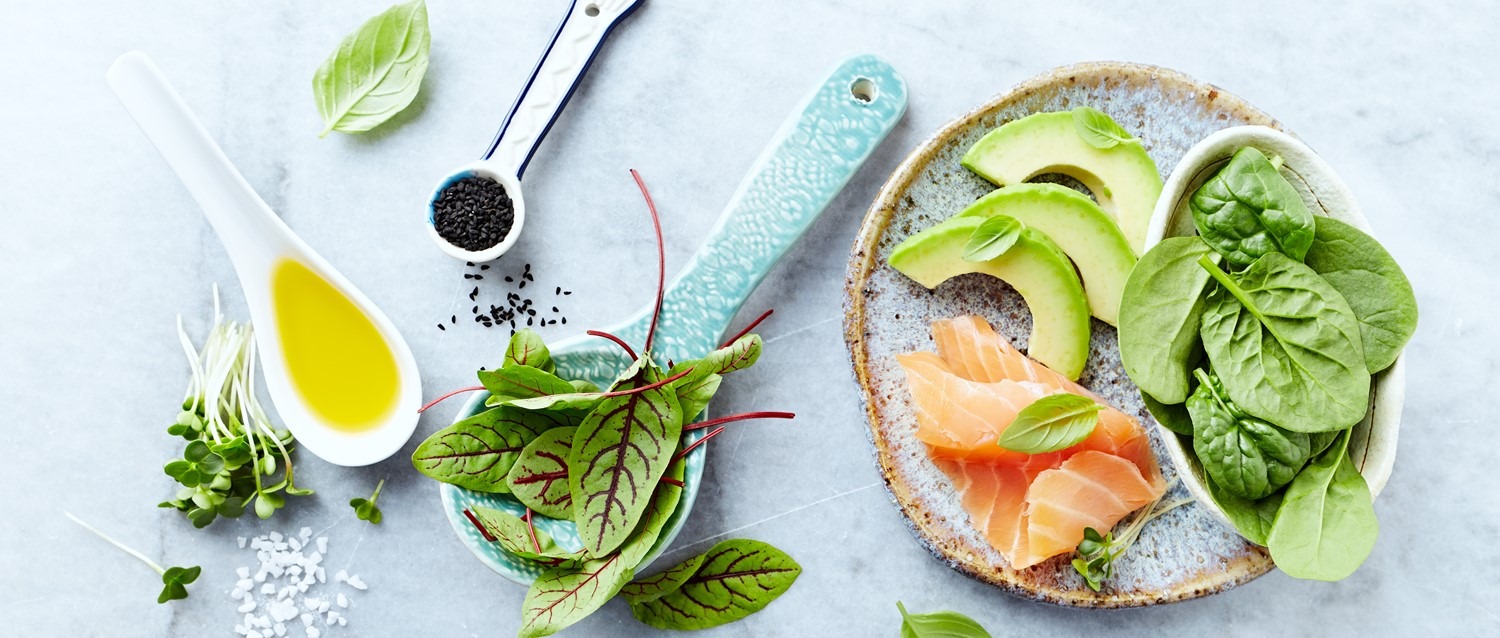
דגים ופירות ים - סלמון, טונה, בקלה ומקרל.
בשרים רזים - חזה עוף וחזיר.
אגוזים וזרעים - בוטנים, אגוזי מלך וזרעי דלעת.
פירות דלי פחמימות - אוכמניות, תותים ואבטיח.
ירקות עליים - קייל, תרד וכרוב.
מוצרי חלב - גבינה, יוגורטים ללא סוכר ושמנת.
ביצים.
מה לאכול בדיאטה דלת פחמימות
אילו מאכלים כדאי להימנע מהם בדיאטה דלת פחמימות?
מזונות שכדאי להגביל בתזונה דלת פחמימות כוללים בדרך כלל:
לחמים - לחם לבן, לחם מחיטה מלאה, לחם רב דגנים, בייגלים, בגטים ולחם מחמצת.
פסטה לבנה ואטריות.
אורז - לבן, חום, בסמטי ויסמין.
דגני בוקר מתוקים וחטיפי דגנים.
מאפים - עוגות, פשטידות, מאפינס ועוגיות.
מזונות סוכר - ממתקים, שוקולד, גלידה, יוגורטים ממותקים, דבש וסירופ.
משקאות ממותקים - סודה מלאה, מיצי פירות, שייקים ומשקאות אנרגיה.
האם דיאטה דלת פחמימות בריאה?
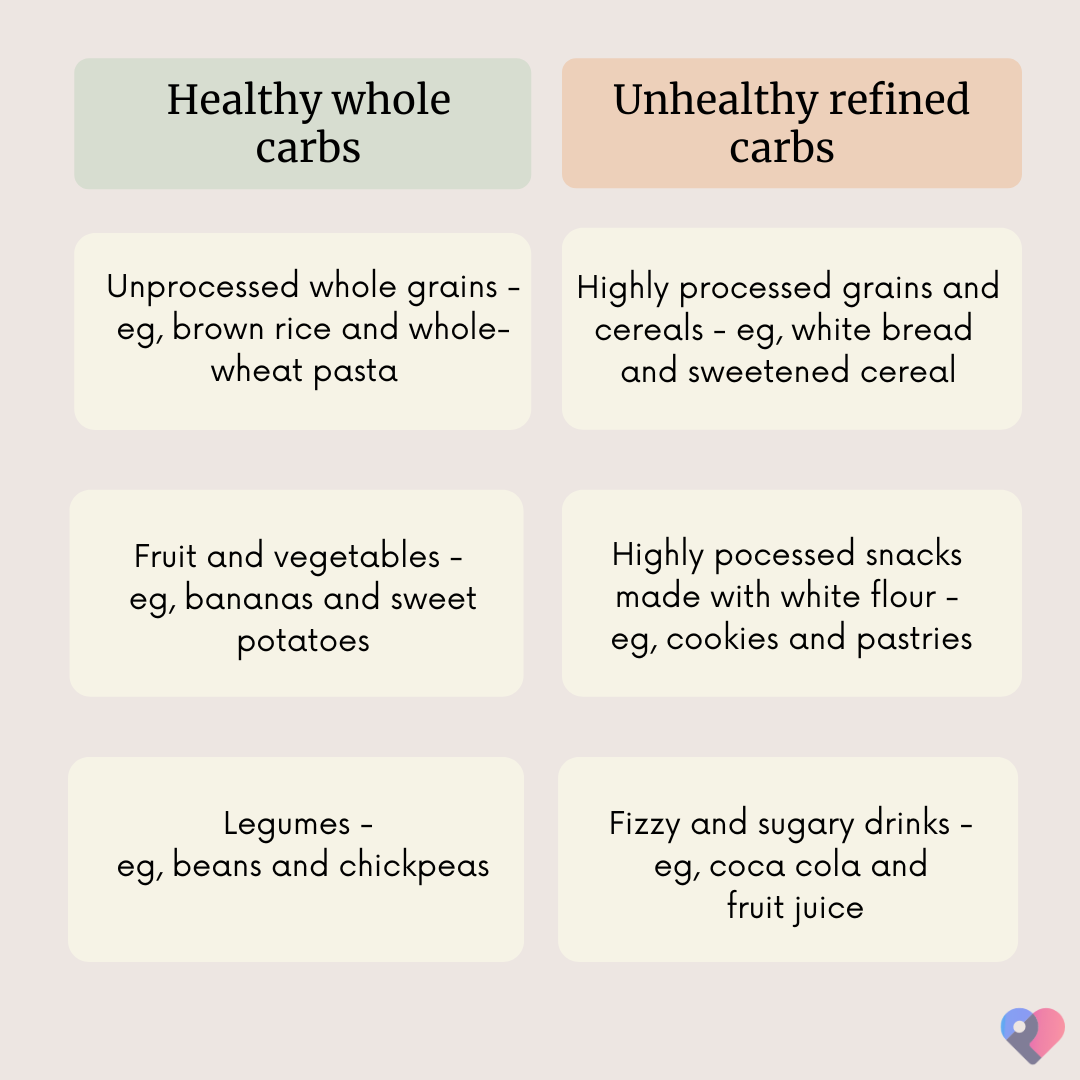
תזונה בריאה ומאוזנת צריכה לכלול את כל קבוצות המזון, ולכן חשוב לא להגזים בהגבלת פחמימות. אם אתם מגבילים מזונות עתירי פחמימות, ודאו שאתם בוחרים במזונות פחמימתיים בריאים. הצורות הנפוצות ביותר הן סוכרים, סיבים ועמילנים. אלו מחולקים עוד ל:
פחמימות מלאות ומורכבות - נחשבות לבריאות מכיוון שהן מעובדות במידה מינימלית ועשירות בסיבים תזונתיים וכן בוויטמינים ומינרלים חשובים אחרים.
פחמימות מזוקקות ופשוטות - אלו עברו עיבוד נוסף שמסיר סיבים תזונתיים. מזונות מעובדים מאוד בדרך כלל חסרים חומרים מזינים אחרים ומכילים סוכר מוסף, מה שיכול לגרום לעליות ברמות הגלוקוז בדם. פחמימות פשוטות מכילות גם פחמימות שמתעכלות בקלות, מה שמגביר את הסיכוי לעלייה במשקל.
ככל שמדובר במחקר, הבטיחות והסיכונים של דיאטה דלת פחמימות היו נושא למחלוקת. בחלקו, זה בגלל שדיאטות אלו לעיתים קרובות מוגדרות בצורה לא ברורה, מה שמקשה על השוואת מחקרים.
יתרה מזאת, למרות שיש ראיות ברורות לכך שתזונה דלת פחמימות יכולה לסייע בירידה במשקל ולעזור בניהול רמות הסוכר בדם בסוכרת, ההשפעות הבריאותיות לטווח הארוך של דיאטה זו אינן ידועות3.
רבים מהמומחים מאמינים כי תופעת לוואי של צריכה נמוכה או נמוכה מאוד של פחמימות יכולה להוביל לתזונה דלה מבחינה תזונתית, וזה עשוי להשפיע על הבריאות הכללית של האדם4.
מתי לא תמיד מומלץ דיאטה דלת פחמימות?
אם אתה תת משקל - עליך להימנע מכל דיאטות מגבילות, כולל דיאטות דלות בפחמימות, שכן זה יכול לפגוע ברצינות בבריאותך, כולל בעיות בריאות הקשורות לחסרים תזונתיים ולתפקוד התקין של גופך.
אם חווית הפרעת אכילה - עליך להימנע מכל דיאטה שכן זה עלול לגרום להחמרה במצבך.
אם יש לך סוכרת סוג 1 - הגורם החשוב ביותר לניהול רמות הסוכר בדם עבור סוג זה של סוכרת הוא המינון המתאים של אינסולין. דיאטות דלות פחמימות עלולות להיות מסוכנות אם אתם נוטלים אינסולין, לכן תמיד יש לדון בשינויים תזונתיים עם אנשי המקצוע בתחום הבריאות המטפלים בסוכרת שלכם.
זה לא תמיד מתאים אם יש לך סוכרת סוג 2 - איש המקצוע הבריאותי שלך ייעץ לך על אפשרויות הטיפול הטובות ביותר עבורך, כולל גורמי אורח חיים אחרים ותרופות.
זה לא תמיד מתאים אם אתה סובל מעודף משקל או השמנת יתר ונמצא בסיכון גבוה לפתח סוכרת סוג 2 - ביצוע שינויים מסוימים באורח החיים תוך שמירה על תזונה עשירה יחסית בפחמימות טובות נחשב בדרך כלל לאסטרטגיה בטוחה ויעילה במניעת סוכרת סוג 24. אם נאמר לך שאתה בסיכון לסוכרת סוג 2, תמיד עקוב אחר ההמלצות הרפואיות של איש המקצוע הבריאותי שלך.
קריאה נוספת
בחירות המטופלים עבור דיאטה
תזונה ודיאטה
כל מה שצריך לדעת על צום הסרדינים של 3 ימים
ייתכן ששמעתם אנשים מדברים על משהו שנקרא צום סרדינים. למרות השם, זה לא אומר לוותר על הדגים הכסופים הקטנים. אם זה היה כך, כנראה שזה לא היה הופך לטרנד - אחרי הכל, מי אוכל מספיק סרדינים כדי להזדקק להפסקה מהם מלכתחילה? למעשה, צום סרדינים אומר לאכול רק סרדינים למשך עד 72 שעות. אנו בוחנים מקרוב מאיפה הגיע צום הסרדינים, המחשבה מאחוריו, והאם הטרנד הבריאותי המוזר הזה באמת עושה את מה שהוא מבטיח.
מאת ויקטוריה ראו
תזונה ודיאטה
מהי הדיאטה הקוריאנית?
הדיאטה הקוריאנית - המכונה לעיתים קרובות דיאטת K - מושרשת במאכלים המסורתיים שנהנים מהם בקוריאה. עם העלייה הגלובלית בפופולריות של התרבות הקוריאנית, העניין בדיאטת K עלה, בעיקר בשל היתרונות הבריאותיים הנראים שלה. אנו בוחנים מה כוללת דיאטת K, והאם היא טובה עבורך.
מאת ויקטוריה ראו
אודות המחברצפה בפרופיל המלא

אמברלי דייוויס
כותב בכיר
BA (Hons), CPD
אמברלי היא כותבת בכירה ב-Patient וכתבה בהרחבה על מגוון נושאים בתחום הבריאות והרווחה.
אודות המבקרצפה בפרופיל המלא

Dr Colin Tidy, MRCGP
רופא כללי, מחבר רפואי
MBBS, MRCGP, MRCP (Paediatrics), DCH
ד"ר קולין טיידי הוא רופא ב-NHS, הממוקם באוקספורדשייר.
היסטוריית המאמר
המידע בעמוד זה נבדק על ידי קלינאים מוסמכים.
המאמר זמין גם ב אנגלית, גרמנית, ספרדית, צרפתית, איטלקית, פורטוגזית, הינדי, עברית, ערבית, and שוודית.
הסקירה הבאה מתוכננת ל: 2 ביוני 2028
2 ביוני 2025 | הגרסה האחרונה
25 יוני 2022 | פורסם במקור
נכתב על ידי:
אמברלי דייוויס

שאלו, שתפו, התחברו.
עיין בדיונים, שאל שאלות ושתף חוויות במאות נושאים בריאותיים.

מרגיש לא טוב?
הערך את הסימפטומים שלך באינטרנט בחינם
הירשמו לניוזלטר של פיישנט
המנה השבועית שלך של עצות בריאות ברורות ואמינות - נכתבה כדי לעזור לך להרגיש מעודכן, בטוח ובשליטה.
על ידי הרשמה אתה מקבל את שלנו מדיניות הפרטיות שלנו. באפשרותך לבטל את המנוי בכל עת. לעולם לא נמכור את הנתונים שלך.
עוד בתזונה ותזונה
- 6 פירות יער בריאים וטעימים ומתכונים
- 7 מזונות עשירים בברזל שכדאי להוסיף לתזונה שלך
- דיאטה לריפלוקס חומצי: מזונות שכדאי לאכול ולהימנע מהם
- האם קומבוצ'ה יכולה לשפר את הבריאות שלך?
- האם ויטמינים באמת יכולים למנוע נשירת שיער?
- דיאטה לכבד שומני: מזונות שכדאי לאכול ולהימנע מהם
- דבש עשוי להיות הדחף הטבעי שאתה צריך כדי להמריץ את האימונים שלך
- עודכןאיך לבנות שרירים בתזונה טבעונית
- כיצד לשמור על תזונה בריאה לילדך בבית הספר התיכון
- איך שאתה מכין את האוכל שלך חשוב
- תזונה ל-PCOS: מה לאכול כדי לנהל את התסמינים
- הדיאטה הרדוקטארית: איך לאכול פחות בשר
- מהי תופעת ה"נשנוש", ומדוע היא משתלטת על המטבחים שלנו?
- מהי דיאטת אורניש והאם היא יכולה לשנות את בריאותך?
- מהי דיאטת וולומטריקס, והאם כדאי לנסות אותה?
- What is the Whole30 diet?
- אילו מאכלים עוזרים להילחם בזיהום?
- מדוע דיאטות אופנתיות יכולות למעשה להוביל לעלייה במשקל