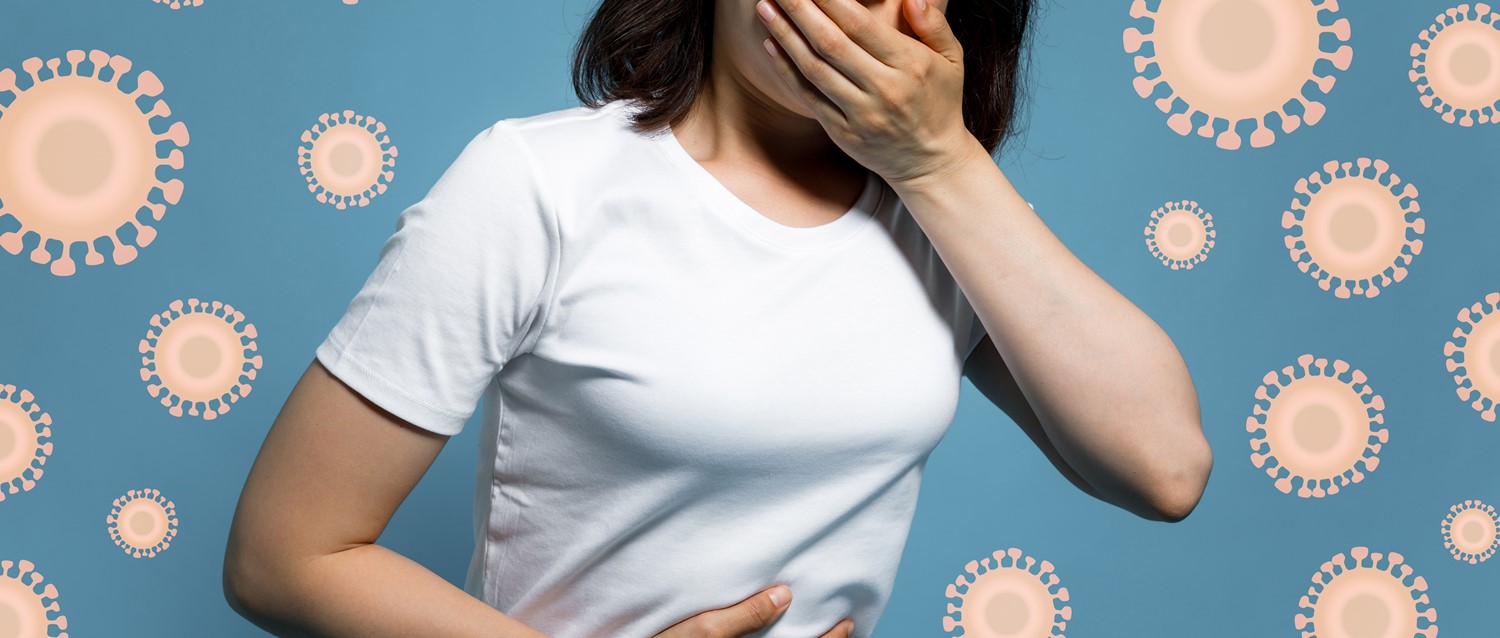
איך לטפל בהרעלת מזון בבית
נבדק על ידי Dr Krishna Vakharia, MRCGPעודכן לאחרונה על ידי Victoria Rawעודכן לאחרונה 25 Nov 2024
עומד בהנחיות העריכה של Patient
- הורדהורד
- שתף
- Language
- דיון
- Ask Patient
- גרסת שמע
- הוסף למקורות מועדפים בגוגל
While symptoms of food poisoning usually subside quite quickly, they can still cause discomfort and put you out of action. We have some tips to help manage food poisoning at home and reduce your chance of getting it in the future.
Find relief from diarrhoea
קבלו ייעוץ רפואי מקצועי בנוחות של ביתכם. השלימו ייעוץ מקוון קצר, הזמין 24/7, ובקשתכם תיבדק על ידי איש צוות רפואי הרשום בבריטניה. משלוח למחרת זמין עבור טיפולים מתאימים.

בחירות וידאו עבור גסטרואנטריטיסספריית סרטונים
What is food poisoning?
הרעלת מזון is caused by eating something that has been contaminated with germs or toxins. Many germs can cause food poisoning, including bacteria, parasites, and viruses.
How do you get food poisoning?
Dr Hana Patel explains that many foods can cause food poisoning. Often food poisoning is caused by eating food after its advised use by date, or eating contaminated food.
Other causes of food poisoning include:
Improperly cooked food, or food cooked using incorrect cooking instructions - for example raw or undercooked meat.
Eating frozen food after it has been left out of the freezer for too long.
If the person preparing the food is unwell and their germs have spread.
If the person preparing the food hasn’t washed their hands first - cross contamination.
Food being reheated against advice.
Food being frozen or chilled against advice.
Food not being stored correctly.
Thorrun Govind, Pharmacist and Fellow of the Royal Pharmaceutical Society, says: "Food poisoning can be caused by a few different bacteria - campylobacter is quite common in the UK. There's also סלמונלה or Escherichia coli (אי קולי). Food can be contaminated by viruses, such as the נורו־וירוס, too."
What are the symptoms of food poisoning?
Symptoms of food poisoning include:
הקאה.
בחילה.
חום.
שלשול.
Abdominal pains.
Body aches.
High temperature - above 38°C.
Chills all over.
עייפות.
איך לטפל בהרעלת מזון בבית
Govind's tips for managing food poisoning at home
Have lots of fluids to avoid dehydration - mainly water - avoid alcohol, caffeine, and fizzy drinks.
Avoid other people to reduce the likelihood of passing on illness.
Stay off work or school for 48 hours after your last episode of vomit or diarrhoea.
Make sure you've had no symptoms for at least two days before socialising again.
Consult your pharmacist for medicine to help manage symptoms.
You should rest as much as possible while you have food poisoning. Even if you don't feel like eating, try to have small, light portions. Plain foods are good, such as plain toast or crackers.
How long does food poisoning last?
If you have food poisoning, you will likely feel unwell a short time after eating, perhaps a few hours. However, symptoms can be delayed by a few days, even weeks.
Vomiting typically only lasts a day or two, but sometimes longer. As for diarrhoea, this commonly lasts for several days.
Patel says symptoms of food poisoning tend to pass within a week.
Do I need to see a doctor about food poisoning?
If your symptoms last for longer than a week and over-the-counter medicines haven't helped, it might be time to get advice from your doctor.
These lasting symptoms could be the sign of an infection, which will need treatment.
You also need to see someone if you are finding you are passing less and less urine, or you cannot manage any oral fluids at all. In these cases, you should go to your nearest hospital.
You should be extra mindful and seek medical advice if you are a pregnant woman, elderly, have a weakened immune system due to a long-standing health condition, or if your food poisoning was caught abroad.
How to prevent food poisoning
While it might not be possible to avoid food poisoning completely, there are safety measures you can follow when preparing and eating food to minimise your odds.
As mentioned before, there are various hygiene factors which often contribute to food poisoning. Therefore, you should ensure you wash your hands thoroughly with soap and warm water before making a meal or eating. This is also important if you're feeding someone else.
If you are unwell, do not get involved with the food preparation process.
You should also:
Make sure your hair is tied back before cooking.
Remove jewellery.
Roll-up long sleeves.
Avoid touching your face mid-meal preparation.
Avoid touching pets before and during meal preparation.
Ensure work surfaces are clean.
When it comes to the food itself, make sure you are following the instructions on the packaging, rather than trying to cut corners. This means being extra careful when freezing, chilling, or reheating food, knowing what temperatures to cook things on and how long for, and what food should look or feel like when it is fully cooked.
The standard advice from the Food Standards Agency is to cook food until it has reached a core temperature of 70°C and stayed at that temperature for 2 minutes. This is particularly important when cooking meat.
Cooking food at the correct temperature, for the right amount of time means there's more chance of harmful bacteria being destroyed. Using a sterilised temperature probe can help you determine how hot your food is. Make sure the tip of the probe enters the thickest part of your food for an accurate reading.
Additionally, always wash fruits and vegetables before eating, and keep raw foods separate on your kitchen counter. If you plan to use one utensil or chopping board for multiple food items, wash the item in between. A specific chopping board should be kept for raw foods only.
Once you are finished in the kitchen, wash down your surfaces and clean your utensils with hot, soapy water.
בחירות המטופלים עבור גסטרואנטריטיס
בריאות מערכת העיכול
איך להימנע מבעיות בבטן
We've all had them - those horrible bouts of sickness and diarrhoea. You'll usually recover with no ill effects within a few days - especially with these top tips. But how can you minimise the misery?
מאת ד"ר שרה ג'רוויס

בריאות מערכת העיכול
כיצד להתמודד עם גסטרואנטריטיס
Gastroenteritis is an intestinal infection that causes being sick, diarrhoea, abdominal cramps, and other symptoms. These symptoms usually aren't harmful but can be debilitating, so self-care is essential during recovery. Here we look at the best ways to help you recover from gastroenteritis.
מאת ויקטוריה ראו
אודות המחברצפה בפרופיל המלא
עודכן על ידי

Victoria Raw
כותב תכנים
תואר ראשון (בהצטיינות), ספרות אנגלית
ויקטוריה היא כותבת תוכן ב-Patient, ותחומי העניין המיוחדים שלה כוללים רווחה נפשית, מגמות חברתיות והשפעת הטכנולוגיה על בריאותנו.
נכתב על ידי

Emily Jane Bashforth
כותב תכנים
NCTJ
אמילי היא כותבת תוכן ב-Patient, כותבת מאמרים על מגוון נושאים הקשורים לבריאות ורווחה.
אודות המבקרצפה בפרופיל המלא

Dr Krishna Vakharia, MRCGP
קצין רפואה ראשי לבריאות, Optum UK
MBChB, MRCGP(2013), BMedSci (hons), DFSRH, DRCOG, PGDipDerm (Distn)
ד"ר קרישנה וקאריה היא רופאת משפחה ב-NHS. היא גם בוחנת קבועה לדיפלומה לתואר שני בדרמטולוגיה מעשית באוניברסיטת קרדיף וכן משמשת כקצינת הרפואה הראשית לבריאות ב-Optum UK.
שתפו את מחשבותיכם או חוויותיכם עם אחרים ב קהילות המטופלים שלנו.
הירשמו לניוזלטר של פיישנט
המנה השבועית שלך של עצות בריאות ברורות ואמינות - נכתבה כדי לעזור לך להרגיש מעודכן, בטוח ובשליטה.
על ידי הרשמה אתה מקבל את שלנו מדיניות הפרטיות שלנו. באפשרותך לבטל את המנוי בכל עת. לעולם לא נמכור את הנתונים שלך.