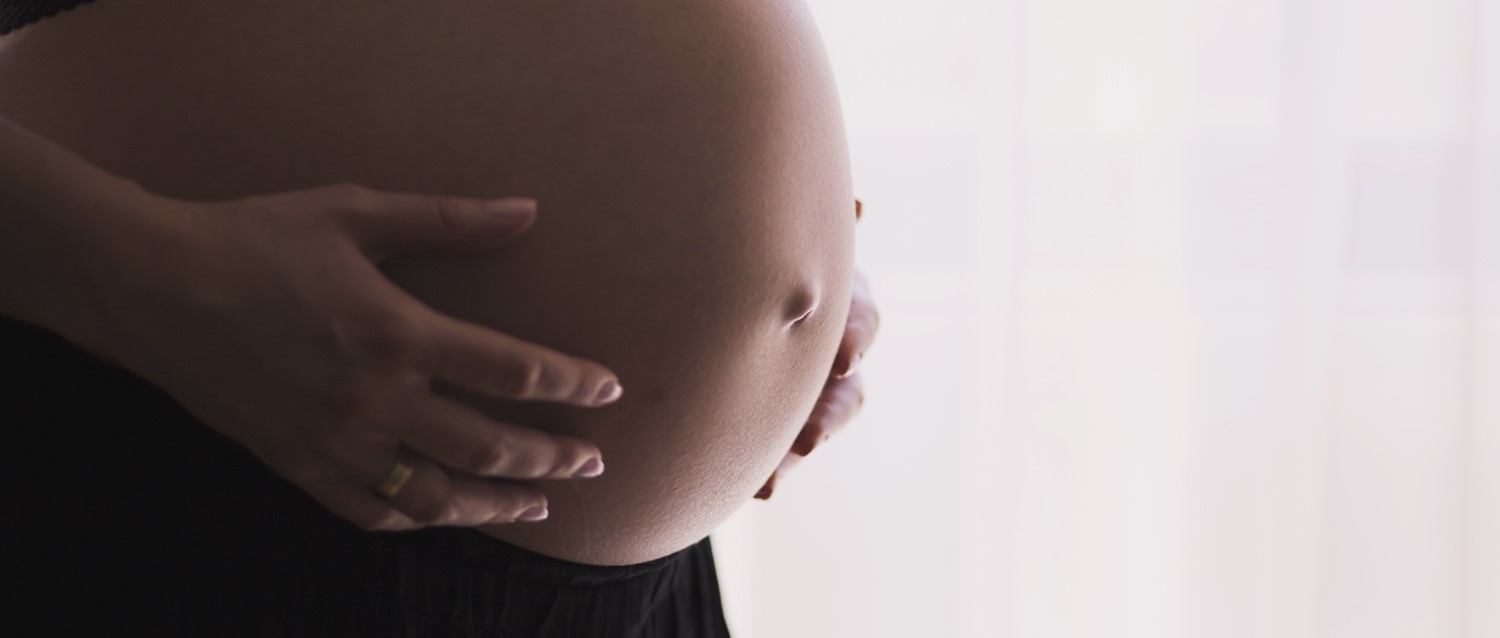
האם כדאי לדאוג מכאבי אגן במהלך ההריון?
נבדק על ידי ד"ר שרה ג'רוויסעודכן לאחרונה על ידי Karen Gordonעודכן לאחרונה 24 ינואר 2018
עומד בהנחיות העריכה של Patient
- הורדהורד
- שתף
- Language
- דיון
- גרסת שמע
- הוסף למקורות מועדפים בגוגל
כאב באגן or discomfort is common during הריון and can be a real concern for many mums-to-be. It can occur at almost any point and its impact can range from a few twinges to debilitating pain.
According to Dr Katy Vincent, senior pain fellow, locum consultant gynaecologist and member of the Wellbeing of Women Research Advisory Committee, most women will experience some pelvic discomfort in pregnancy and many would describe it as pain. But sometimes pain can be a red flag that something more serious is wrong. So, what are the most common causes and when is it time to consult your midwife?
הירשמו לקורס ההריון הבריא שלנו בחינם למשך 8 שבועות!
בכל שבוע נשתף מידע שימושי וטיפים חיוניים בנושאים כמו תזונה, פעילות גופנית, בריאות נפשית, תסמינים שכדאי לשים לב אליהם והכנה ללידה, כדי לעזור לך לנווט במסע ההריון שלך בכל שלב שבו את נמצאת.
על ידי הרשמה אתה מקבל את שלנו מדיניות הפרטיות שלנו. באפשרותך לבטל את המנוי בכל עת. לעולם לא נמכור את הנתונים שלך.
Pelvic pain during the first trimester
In the first 8 to 12 weeks of pregnancy, it's quite common to get accommodation pain, which feels like mild abdominal twinges or cramps. If you have any pains that are stronger or longer-lasting, it's important to see your GP for advice. "In early pregnancy, הפלה commonly presents with pain," says Vincent. Unfortunately, as many as 25% of pregnancies in the UK end in miscarriage, making it a very common occurrence. The main symptoms are vaginal bleeding and lower abdominal pain or pelvic cramps.
"If someone develops pain in their first trimester, you always need to rule out an הריון חוץ רחמי, which is when a pregnancy tries to develop outside of the womb," says Mr Pandelis Athanasias, consultant obstetrician and gynaecologist at the London Women's Centre.
Ectopic pregnancies occur in about 1% of pregnancies and the symptoms include pain on one side of the lower abdomen or pelvis. "An ultrasound scan will tell you where the pregnancy is located and whether it's viable," says Athanasias.
If the corpus luteum, a small fluid-filled sac on the ovary which releases progesterone until the placenta takes over, ruptures during the first trimester, this can also considerable pain.
Pelvic pain isn't always due to the pregnancy itself and doesn't always come from the womb, says Ms Shirin Irani, consultant gynaecologist at Spire Parkway Hospital. "You would also want to rule out דלקת התוספתן, a זיהום בדרכי השתן, אבנים בכליות and even עצירות."
Pelvic pain during the second and third trimester
Going into your second trimester, you may start to feel pain in one or both your sides of your abdomen. As your womb grows, the round ligaments stretch and thicken to accommodate and support your growing bump. "Ligament pain is more common in the second trimester of pregnancy and it usually gets better in the third trimester," says Athanasias.
Later in pregnancy, pelvic girdle pain (PGP) is probably the most common cause of pelvic pain and is estimated to occur in 20% of pregnancies.
"When you're pregnant, the fixed joint called the symphysis pubis becomes softer and starts to move a bit and become strained," explains Dr Karen Morton, consultant gynaecologist and founder of Dr Morton's medical helpline. "It's so painful and tender, it can literally leave a woman unable to walk. She may need crutches or even a wheelchair because of this incapacitating pain."
Morton says that the practicality of the immobility of PGP is most concerning because, when pregnant women become immobile, their circulation diminishes. "They are more at risk of deep vein thrombosis (DVT) through their immobility, and it's important they're given supportive stockings to compress their lower legs or given blood thinning injections."
How do you know if pelvic pain is something more serious?
If pain is associated with bleeding at any stage in pregnancy, Vincent recommends getting this checked out. "Similarly, if this is accompanied by an offensive הפרשה נרתיקית or sudden loss of fluid, speak with your doctor or midwife. A fever, which is generally a sign of being generally unwell, could also be an indication of something more serious such as chorioamnionitis (infection within the uterus) or a kidney infection," she says.
"Pain may be associated with reduced fetal movements. This should always be reviewed at the maternity unit. The baby's movement may respond to simple measures such as drinking an iced or hot drink."
She also recommends consulting a doctor if you have a very hard abdomen (described as woody), which is a classic symptom of a placental abruption, where the placenta separates from the uterus.
"Finally, if the pains come and go, and they are getting stronger and closer together, this could be early labour and should be checked out - sooner rather than later - if under 37 weeks," says Vincent.
Effective self-help options for pelvic pain
As long as serious causes have been excluded, Vincent recommends the following self-help options.
Try taking a painkiller, such as paracetamol, which is safe to take during pregnancy.
Take warm baths. These relax muscles and reduces stress and anxiety.
Drink plenty of water and rehydrate. Dehydration can supposedly worsen Braxton Hicks, and exacerbate constipation, as well as worsen a urine infection as more concentrated urine irritates the bladder.
Wear a pelvic support belt. If pain is due to PGP, a support belt takes some of the weight off the pelvis and acts a little like the muscles that are not functioning effectively
Stop wearing high heels. If the pain is muscular in origin, it will put less strain on the pelvis.
בחירות המטופלים עבור סיבוכים
הריון
מתי כדאי ומתי לא כדאי לדאוג במהלך ההריון שלך
לעיתים קרובות נתפסת כתקופה של ליטוף הבטן, קישוט חדר התינוקות וציפייה נרגשת, ההריון יכול גם להיות מלווה בדאגות. רוב הנשים, במיוחד במהלך ההריון הראשון שלהן, חוות תסמינים בלתי צפויים, וייתכן שימצאו זאת קשה לדעת מתי לפנות לעזרה.
מאת גיליאן הארווי
הריון
מה גורם לסחרחורת בהריון?
ניווט בין כל השינויים הפיזיים, ההורמונליים והרגשיים שמתרחשים במהלך ההריון יכול להיות קשה - וזה לא תמיד מסע חלק. ככל שהתינוק שלך גדל וגופך מתרגל, זה נפוץ להרגיש חולשה, חוסר יציבות או סחרחורת. אבל למה הריון יכול לגרום לסחרחורת, מה אפשר לעשות בנוגע לזה ומתי כדאי לפנות לעזרה רפואית?
מאת לידיה סמית
אודות המחברצפה בפרופיל המלא

קארן גורדון
עיתונאי עצמאי
NCTJ
קארן היא עיתונאית עצמאית מוסמכת NCTJ עם עניין מיוחד בבריאות.
אודות המבקרצפה בפרופיל המלא

Dr Sarah Jarvis
יועץ קליני
MA (Cantab), BM, BCh (Oxon), DRCOG, FRCGP, MBE
לאחר הכשרה ברפואה בקיימברידג' ואוקספורד, ד"ר שרה ג'רוויס MBE הפכה לרופאת משפחה.
היסטוריית המאמר
המידע בעמוד זה נבדק על ידי קלינאים מוסמכים.
המאמר זמין גם ב אנגלית, גרמנית, ספרדית, צרפתית, איטלקית, פורטוגזית, הינדי, עברית, ערבית, and שוודית.
24 ינואר 2018 | הגרסה האחרונה

שאלו, שתפו, התחברו.
עיין בדיונים, שאל שאלות ושתף חוויות במאות נושאים בריאותיים.

מרגיש לא טוב?
הערך את הסימפטומים שלך באינטרנט בחינם
הירשמו לניוזלטר של פיישנט
המנה השבועית שלך של עצות בריאות ברורות ואמינות - נכתבה כדי לעזור לך להרגיש מעודכן, בטוח ובשליטה.
על ידי הרשמה אתה מקבל את שלנו מדיניות הפרטיות שלנו. באפשרותך לבטל את המנוי בכל עת. לעולם לא נמכור את הנתונים שלך.
עוד בהריון
- האם התזונה ואורח החיים שלך יכולים לשפר את הפוריות?
- האם מיינדפולנס עוזר במהלך ההריון והלידה?
- חיסון לשפעת בהריון אינו גורם לבעיות בריאות אצל ילדים
- כמה זמן לחכות לפני הילד השני שלך
- איך להתמודד עם כאבים במפשעה ובאגן במהלך ההריון
- איך להתמודד עם צרבת במהלך הריון
- כיצד לנהל הריון כאשר יש לך הפרעת אכילה
- איך לתמוך בחבר לאחר הפלה או לידה שקטה
- האם גסטרואנטריטיס מזיק בהריון?
- הרכבת תקציב לתינוק שלך
- המזון והמשקאות שיש להימנע מהם בחופשה אם את בהריון
- וידאו: האם אנדומטריוזיס יכול להתרחש במהלך הריון?
- וידאו: כיצד משפיע PID על הפוריות?
- מה גורם לסחרחורת בהריון?
- מה לא לומר למישהו שחווה בעיות פוריות
- מה לעשות אם את צריכה הפלה
- מה לארוז לחופשת הלידה שלך
- אילו ויטמינים להריון אני באמת צריכה?
- מדוע הקפאת ביציות נמצאת בעלייה והאם זה בטוח?
- למה לא כדאי להשתמש בדופלר עוברי בבית כשאת בהריון