נפחת
נבדק על ידי Dr Surangi Mendis, MRCGPעודכן לאחרונה על ידי Dr Philippa Vincent, MRCGPעודכן לאחרונה 2 Jun 2023
עומד בהנחיות העריכה של Patient
- הורדהורד
- שתף
- Language
- דיון
- גרסת שמע
- הוסף למקורות מועדפים בגוגל
בסדרה זו:מחלת ריאות חסימתית כרוניתספירומטריהמשאפים למחלת ריאות חסימתית כרוניתמוקוליטיםמרחיבי סימפונות דרך הפההחמרות חריפות של COPD
Emphysema is a progressive lung condition that is a form of chronic obstructive pulmonary disease. Smoking is the most common cause of emphysema.
במבט חטוף
Emphysema is a lung condition that causes shortness of breath and a persistent cough.
It damages the air sacs in the lungs, reducing the amount of oxygen transferred to the blood.
Smoking is the leading cause of emphysema, but passive smoking and pollution are also risk factors.
Symptoms worsen over time, eventually making normal activities difficult.
Quitting smoking is the most important treatment and can slow down the condition's progression.
Treatment includes inhalers and tablets, and sometimes surgery for advanced cases.
Complications can include frequent chest infections, collapsed lungs, and heart problems.
What is emphysema?
Emphysema is a lung condition that causes shortness of breath and cough. Over time, the inner walls of the air sacs in the lungs (alveoli) are weakened and the lining of the alveoli becomes damaged. This causes a smaller number of larger air spaces instead of lots of normal small ones.
The smaller number of larger air sacs causes a reduction in the overall surface area of the lungs. This means that less oxygen can be transferred from the air being breathed into the lungs into the bloodstream.
Most people with emphysema also have a condition called chronic bronchitis. Chronic bronchitis causes inflammation in the tubes (bronchi) that carry the air to and from the lungs. This leads to a persistent cough and further reduces the air that is breathed into the lungs. Emphysema and chronic bronchitis are the two conditions that make up מחלת ריאות חסימתית כרונית (COPD).
Emphysema symptoms
The main symptoms of emphysema are shortness of breath ו a cough, which usually begin gradually. As the emphysema in the lungs becomes worse, the symptoms also deteriorate.
Emphysema is a long-term condition that usually progresses over a number of years. Progress is often slow but can be faster in some people. There may be no symptoms for a long time and sometimes emphysema is found on chest x-rays even in people with no or few symptoms.
As the shortness of breath and the cough become progressively worse, it can become difficult to continue with normal activities and mobility. Emphysema eventually causes shortness of breath even at rest.
Stages of emphysema / COPD
Stage 1 - mild
Lung function is reduced to around 80% and symptoms are mild. They can often be assumed to be "just a smoker's cough". The cough increases at this stage and often there is production of phlegm. The most important action in this mild stage is to stop smoking which can reduce the worsening of emphysema. Exercise is important as well to try and increase the functioning of the lungs.
Stage 2 - moderate
Lung function is reduced to between 50 and 79%. This is the commonest stage for emphysema and COPD to be diagnosed as the symptoms are more troublesome. The symptoms are usually the same as in mild emphysema but more persistent with daily cough and phlegm.
Stage 3 - severe
Lung function is reduced to between 30 and 49% of normal. Symptoms are worse and more frequent at this stage. It is common to get more frequent infections as the lungs are no longer able to work to expel bacteria and viruses. It is usually difficult at this stage to exercise without getting out of breath very quickly.
Stage 4 - very severe
Lung function is reduced to less than 30%. This stage is also called "end-stage" emphysema or "end-stage" COPD because it is so severe and can be life-threatening; however, it is common to live for several years at this stage, but with reduced quality of life. Weight loss is common at this stage.
How common is emphysema?
In the UK it is thought that around 1.2 million people have COPD. This number represents 2 out of every 100 of the population, or between 4-5 out of 100 of all people aged over 40. It is much commoner in the North of England and in deprived areas. The rates of emphysema and COPD in the 10% most-deprived areas is double that in the least-deprived areas. The numbers of people with emphysema and COPD has not decreased in recent years, unlike most chronic health conditions.
Risk factors for and causes of emphysema
Factors that increase the risk of developing emphysema include:
עישון. Emphysema is most likely to develop in cigarette smokers; however, cigar and pipe smokers also are susceptible. The risk for all types of smokers increases with the number of years and amount of tobacco smoked. Around 50% of smokers will develop emphysema with around 20% of smokers developing more severe symptoms. 80% of deaths from COPD are related to smoking.
גיל. Although the lung damage that occurs in emphysema develops gradually, most people with tobacco-related emphysema begin to experience symptoms of the disease between the ages of 40 and 60.
עישון פסיבי. This means breathing in the smoke from someone else's cigarette, pipe or cigar. Being around secondhand smoke increases the risk of emphysema.
Exposure to fumes or dust. People breathing fumes from certain chemicals or dust from grain, cotton, wood or mining products, are more likely to develop emphysema. This risk is even greater if they also smoke.
Exposure to indoor and outdoor pollution. Breathing indoor pollutants (such as fumes from heating fuel), as well as outdoor pollutants (such as car exhaust) increases the risks of emphysema.
חוסר באלפא-1-אנטיטריפסין. There is a rare genetic disorder called alpha-1-antitrypsin deficiency which leads to an inherited deficiency of a protein which protects the elastic structures in the lungs. People with this condition have a significantly higher risk of emphysema at a young age if they smoke. This can be diagnosed with a simple blood test.
Diagnosing emphysema
אילו בדיקות נדרשות?
The most common test used in helping to diagnose the condition is called spirometry. Other tests include a צילום חזה ו בדיקות דם to help exclude other serious conditions. Occasionally, a special סריקת טומוגרפיה ממוחשבת (CT) of the chest - high-resolution CT - is needed.
Emphysema treatment
The most important part of treatment is to reduce exposure to any cause - particularly to avoid smoking, including passive smoking. The treatment for many people with emphysema is the same as for מחלת ריאות חסימתית כרונית (COPD) and includes inhalers and tablets to try and reduce the volume of phlegm produced.
Surgery (such as lung volume reduction surgery or a lung transplant) may be considered for advanced severe emphysema.
In the UK, the National Institute for Health and Care Excellence (NICE) recommends that endobronchial valve insertion to reduce lung volume can be considered as a treatment option. An endobronchial valve is a small one-way valve, which is placed in an airway (bronchus), usually using a bronchoscope. The valve allows air to flow out of the lung when breathing out but blocks air from entering that lung when breathing in. This helps to remove the excess air that is trapped in the lungs in emphysema.
Complications of emphysema
People who have emphysema are also more likely to develop:
זיהומים בחזה. These can occur frequently.
Collapsed lung (pneumothorax). A collapsed lung can be life-threatening in people who have severe emphysema, because the function of their lungs is already so compromised. This is uncommon but serious when it occurs.
בעיות לב. Emphysema can increase the pressure in the arteries that connect the heart and lungs. This can cause failure of the right side of the heart, which pumps blood to the lungs (this condition is called cor pulmonale).
Large holes in the lungs (bullae). The bullae can be as very large. These bullae reduce the transfer of oxygen into the bloodstream and also increase the risk of a pneumothorax.
Preventing emphysema
This risk of emphysema can be greatly reduced by:
לא מעשן.
Avoiding passive smoking.
Wearing a mask to protect the lungs if working with chemical fumes or dust.
בחירות המטופלים עבור COPD
חזה וריאות
מחלת ריאות חסימתית כרונית
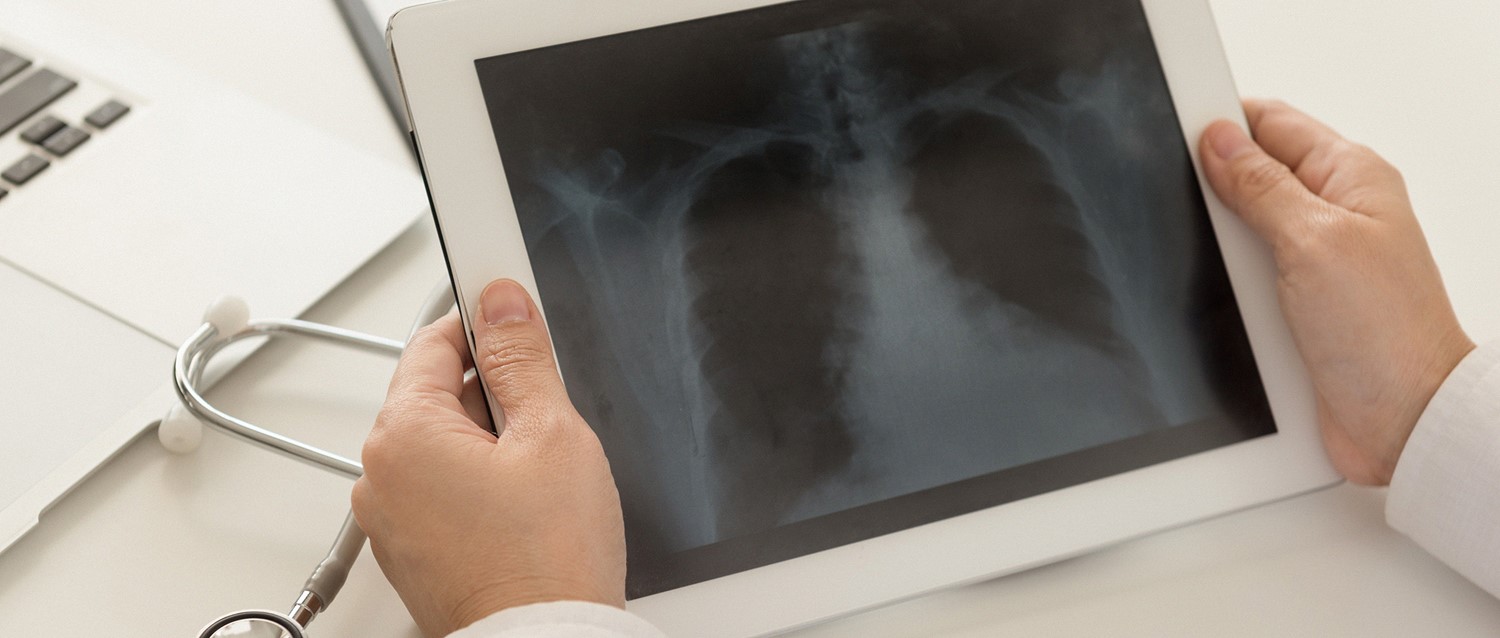
Chronic obstructive pulmonary disease (COPD) is a long-term condition of the lungs where the flow of air to the lungs is obstructed. Symptoms include cough and breathlessness. The condition is most often caused by smoking and the most important treatment is to stop smoking. Inhalers are commonly used to ease symptoms. Other treatments such as steroids, antibiotics, oxygen, and mucus-thinning (mucolytic) medicines are sometimes prescribed in more severe cases, or during a flare-up (exacerbation) of symptoms.
מאת ד"ר טוני הייזל, FRCGP
חזה וריאות
שימוש בטיפול בחמצן ב-COPD
Oxygen is used for some chronic lung conditions. Chronic obstructive pulmonary disease (COPD) is one of these conditions. Long-term oxygen use can help to relieve the strain on the heart. However, it does not relieve breathlessness.
מאת ד"ר אוליבר סטאר, MRCGP
שאלות נפוצות
What is endobronchial valve insertion and how does it help severe emphysema?
Endobronchial valve insertion is a procedure where a small one-way valve is placed in an airway (bronchus) using a bronchoscope. This valve allows air to flow out of the lung when you breathe out but prevents air from entering that lung when you breathe in. This helps to remove the excess air that gets trapped in the lungs due to emphysema, which can improve breathing.
Can emphysema lead to other health problems?
Yes, emphysema can increase your risk of developing several other health issues. These include frequent chest infections, a collapsed lung (pneumothorax), and heart problems, specifically an increase in pressure in the arteries connecting the heart and lungs, which can lead to failure of the right side of the heart (cor pulmonale). Large holes called bullae can also form in the lungs, further reducing oxygen transfer and increasing pneumothorax risk.
Is emphysema hereditary?
In a rare number of cases, emphysema can be linked to a genetic disorder called alpha-1-antitrypsin deficiency. This condition means the body doesn't produce enough of a protein that usually protects the elastic structures in the lungs. If someone with this deficiency also smokes, they have a significantly higher risk of developing emphysema at a younger age. This can be identified with a simple blood test.
Are there ways to prevent emphysema from developing?
Yes, there are effective ways to reduce your risk of developing emphysema. The most important is not smoking and avoiding exposure to passive smoke. If you work in an environment with chemical fumes or dust, wearing a protective mask for your lungs can also significantly lower your risk.
קריאה נוספת והפניות
- Pahal P, Sharma S; Emphysema. StatPearls Publishing. 2018.
- Visca D, Aiello M, Chetta A; Cardiovascular function in pulmonary emphysema. Biomed Res Int. 2013;2013:184678. doi: 10.1155/2013/184678. Epub 2013 Dec 3.
- Endobronchial valve insertion to reduce lung volume in emphysema; NICE Interventional procedure guidance, December 2017
- British Lung Foundation; Chronic obstructive pulmonary disease (COPD) statistics, 2019.
אודות המחברצפה בפרופיל המלא

Dr Philippa Vincent, MRCGP
רופא כללי, מחבר רפואי
MB BS, Bsc, MRCGP (2000), DCH, DFSRH, DRCOG
ד"ר Philippa וינסנט הוא רופא משפחה ב-NHS העובד בצפון לונדון.
אודות המבקרצפה בפרופיל המלא

ד"ר סורנגי מנדיס, MRCGP
יועץ ומחבר רפואי
MBBS, BSc (ראשון), MRCGP (2014), DFSRH, PGcert אוטולוגיה ואודיולוגיה
סורנגי מנדיס היא יועצת ברפואה אודיו-וסטיבולרית ונוירו-אוטולוגיה בבית החולים המלכותי הלאומי לאף אוזן גרון ובית החולים הדנטלי איסטמן, UCLH.
היסטוריית המאמר
המידע בעמוד זה נכתב ונבדק על ידי קלינאים מוסמכים.
המאמר זמין גם ב אנגלית, גרמנית, ספרדית, צרפתית, איטלקית, פורטוגזית, הינדי, עברית, ערבית, and שוודית.
הסקירה הבאה מתוכננת ל: 12 במאי 2028
2 Jun 2023 | הגרסה האחרונה

שאלו, שתפו, התחברו.
עיין בדיונים, שאל שאלות ושתף חוויות במאות נושאים בריאותיים.

מרגיש לא טוב?
הערך את הסימפטומים שלך באינטרנט בחינם
הירשמו לניוזלטר של פיישנט
המנה השבועית שלך של עצות בריאות ברורות ואמינות - נכתבה כדי לעזור לך להרגיש מעודכן, בטוח ובשליטה.
על ידי הרשמה אתה מקבל את שלנו מדיניות הפרטיות שלנו. באפשרותך לבטל את המנוי בכל עת. לעולם לא נמכור את הנתונים שלך.